Play After the Inferno
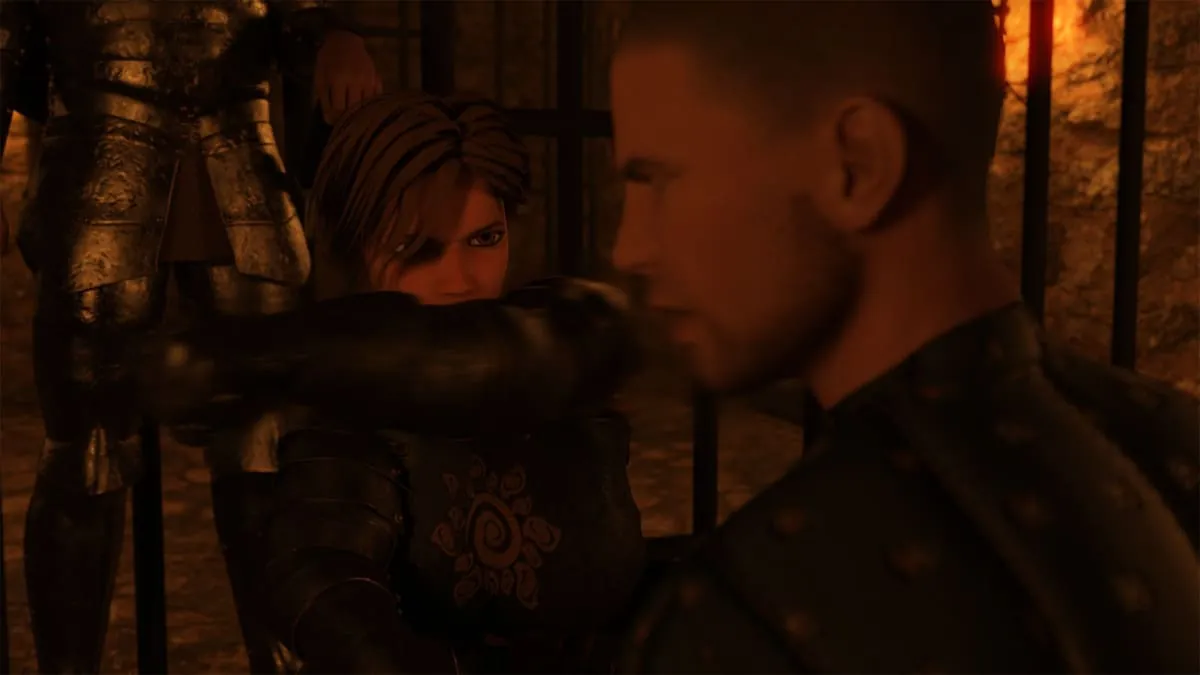
After the Inferno Screenshots
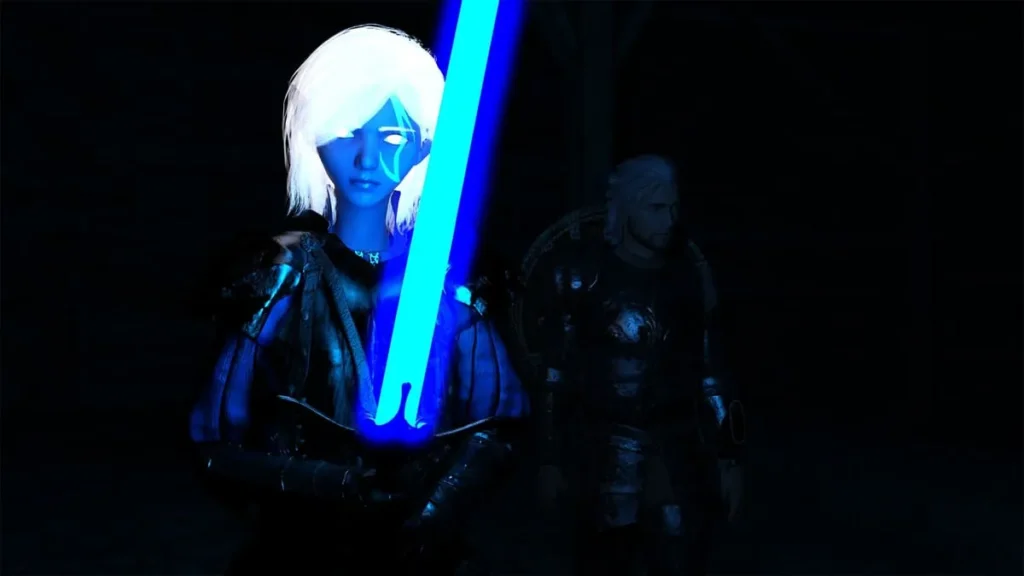
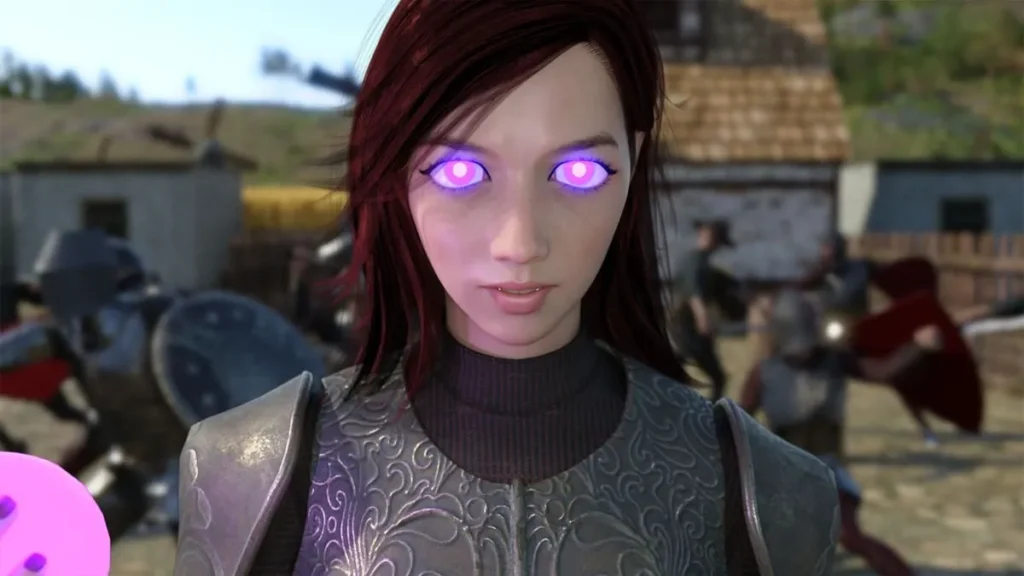
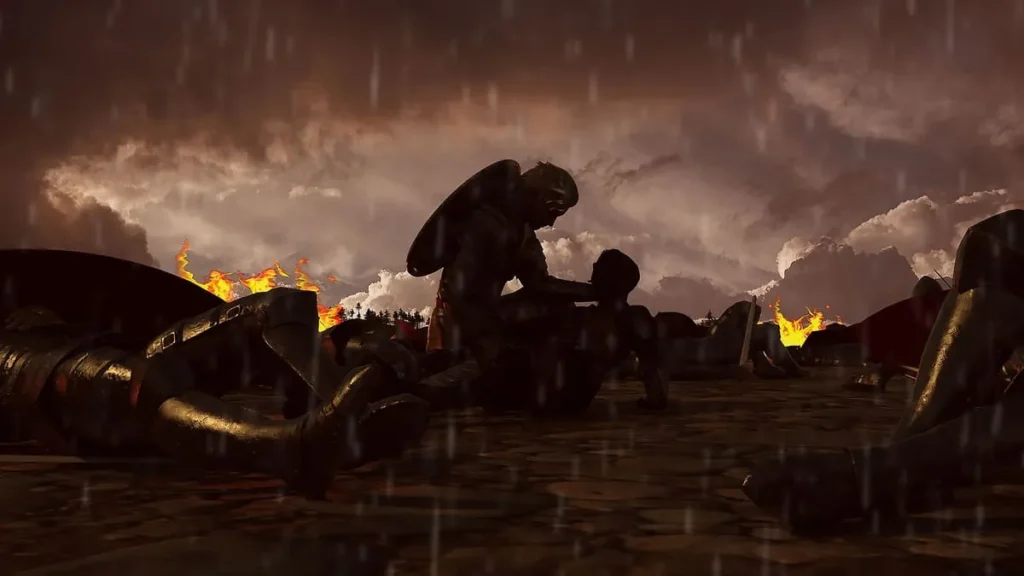

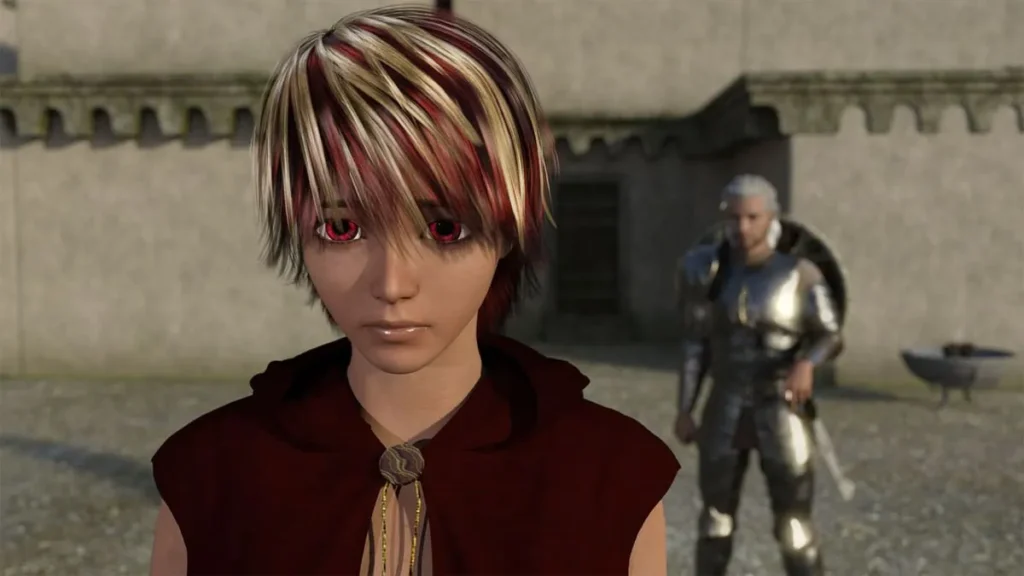
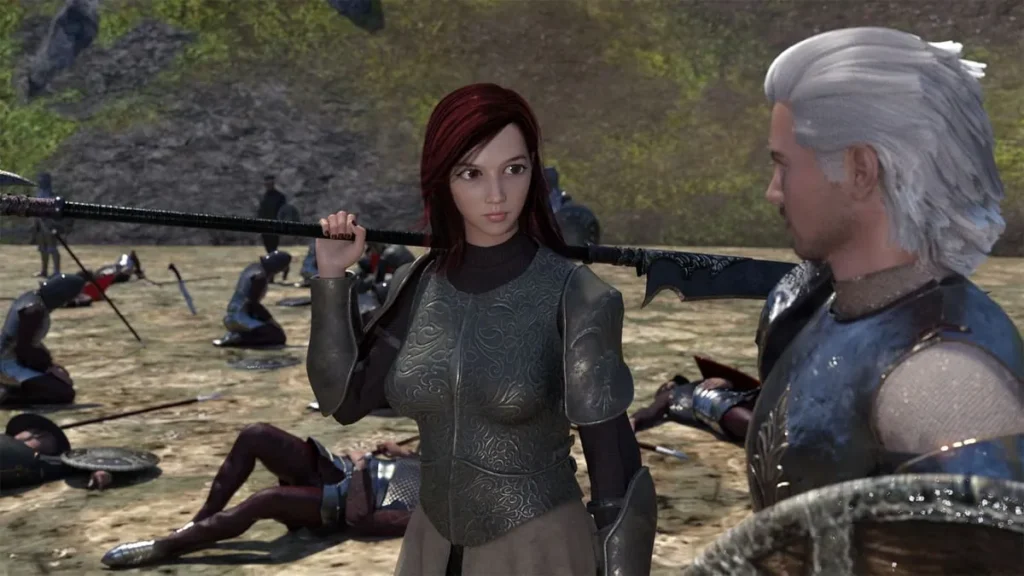
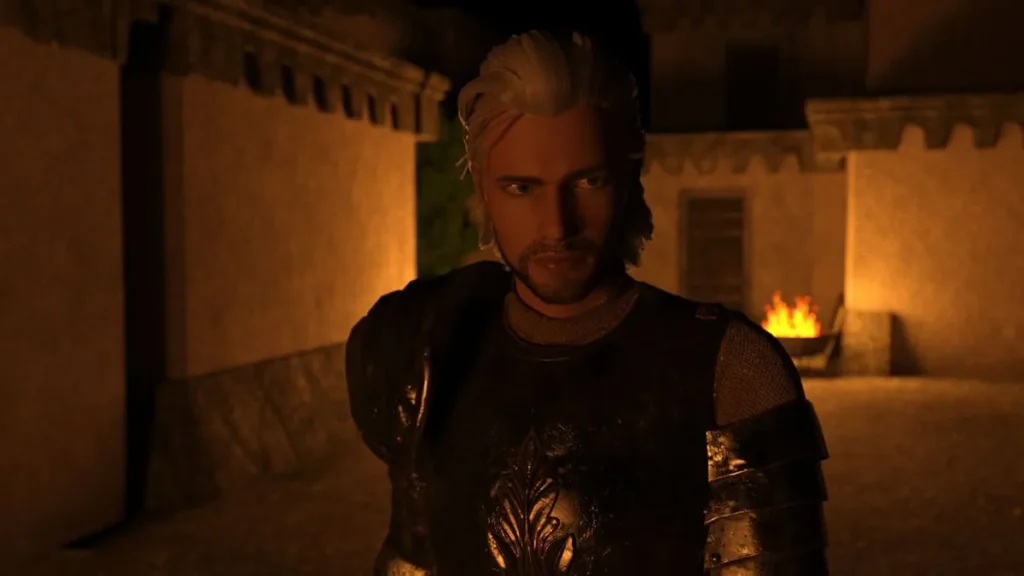

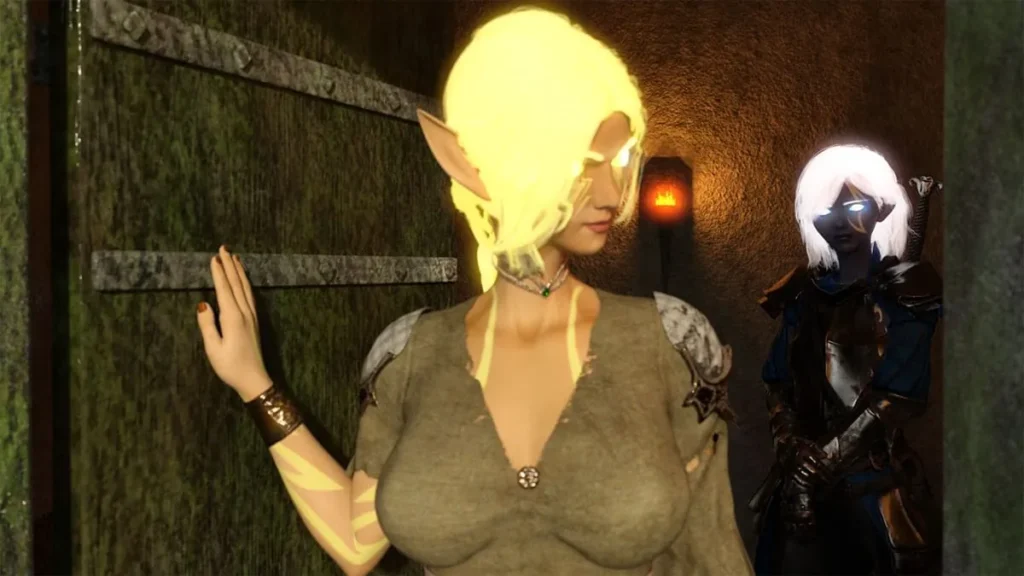
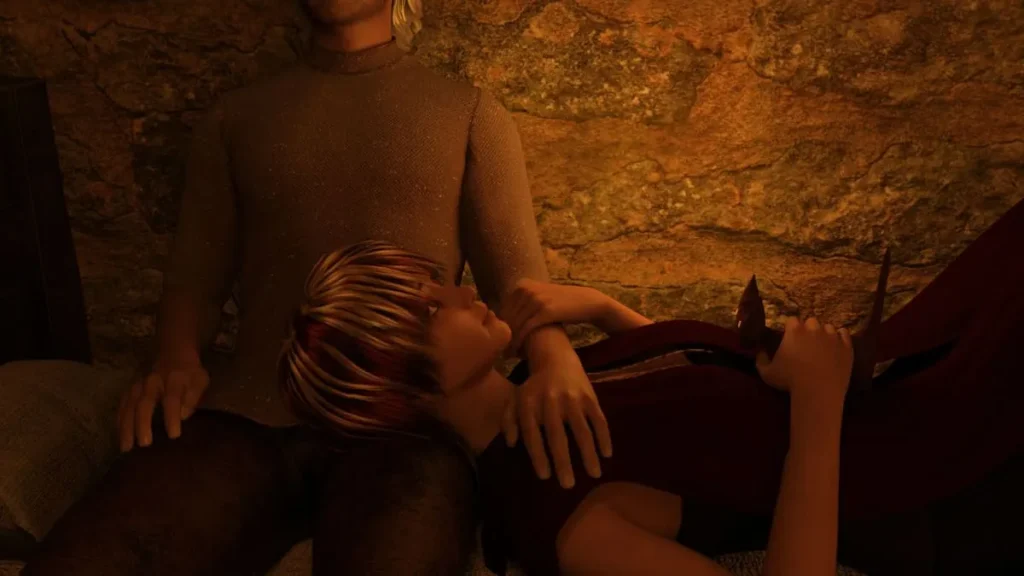
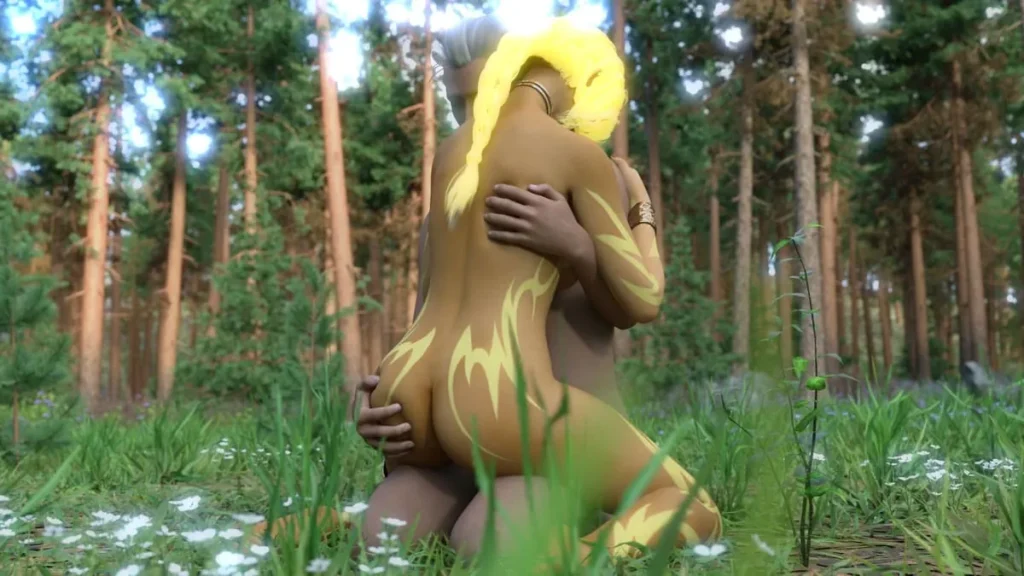
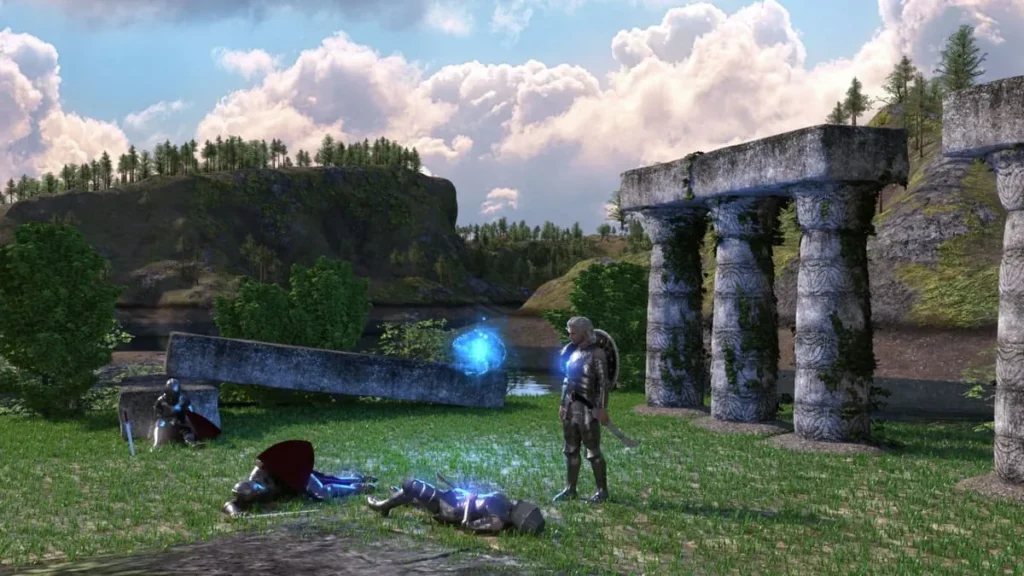
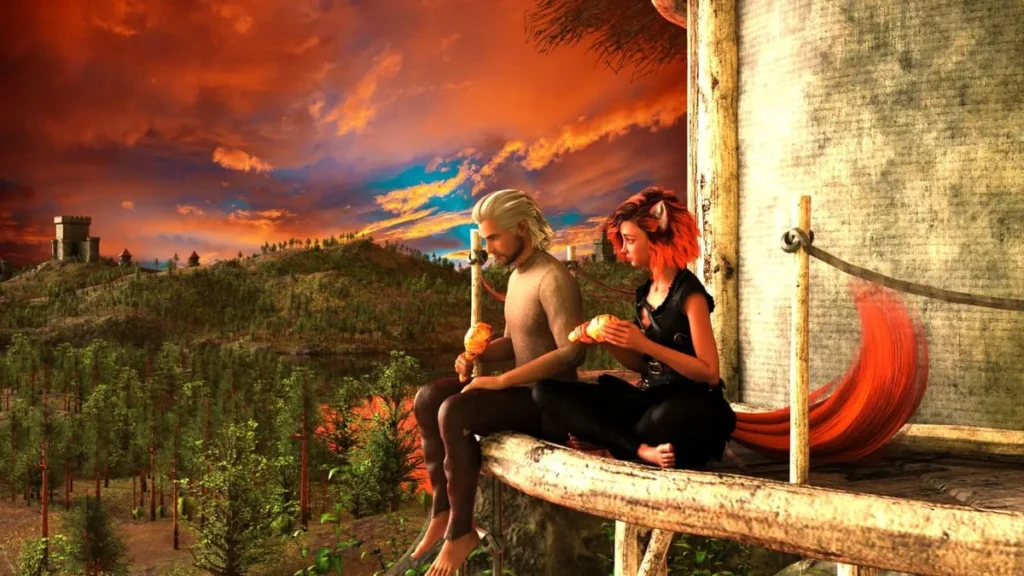
After the Inferno review
Explore storylines, characters, and gameplay mechanics in this adult visual novel
After the Inferno stands out as a sophisticated adult visual novel that blends engaging storytelling with player choice mechanics. This game goes beyond surface-level content by offering substantial narrative depth, multiple branching storylines, and meaningful character development. Whether you’re interested in the game’s story progression, character interactions, or gameplay systems, this guide provides everything you need to understand what makes After the Inferno a unique experience in the visual novel genre. The game features optional intimate scenes that don’t gate story progression, allowing players to engage with content at their own comfort level while enjoying a rich medieval fantasy narrative.
Understanding After the Inferno: Story, Setting, and Core Gameplay
So, you’ve just started After the Inferno visual novel and you’re already staring at a dialogue choice, paralyzed. 😅 Do you agree to help the mysterious stranger, or do you keep your head down? You can already feel the weight of that single click. What if it locks you out of a romance you wanted? What if it changes the entire political landscape of the realm later? Welcome to the heart of this experience—where every thought, every whispered promise, and every harsh word truly matters.
This isn’t just a story you read; it’s a world you shape. As Devran, a man stripped of everything and cast into a brutal medieval fantasy landscape, your journey back to power is paved with branching storyline choices. This chapter is your After the Inferno story guide to understanding the DNA of the game: how its world, stories, and intricate systems work together to create a deeply personal adventure.
What Is After the Inferno and How Does It Work? 🎮
At its core, After the Inferno is a narrative-driven experience that masterfully blends a classic choice-based story with subtle sandbox elements. Think of it less as a “game” in the traditional action sense and more as an interactive, living book where you are both the reader and the author. You guide Devran through a richly written medieval fantasy narrative game, making decisions that affect his personality, his alliances, and the fate of the entire region.
The genius of its visual novel gameplay mechanics lies in their elegant simplicity and profound depth. You’ll spend your time:
* Reading beautifully crafted text that sets scenes and builds atmosphere.
* Making consequential choices in dialogue and action.
* Managing your resources (like Influence and Favor) and time across a weekly schedule.
* Building relationships through repeated, meaningful interactions.
* Unlocking lore in the Codex to deepen your understanding of the world.
My first playthrough tip: Don’t try to “win” on your first go. I did, and I missed so much! The real magic of this visual novel is in the replayability. Embrace a choice that feels true to your instinct, not necessarily the “smart” one. You’ll have a more authentic and surprising story.
The structure respects your agency completely. While there’s a main plot thread concerning Devran’s past and the political strife of the land, how you engage with it—and when—is largely up to you. You can focus on courting a specific character, building your economic power, or digging into ancient religious mysteries. This freedom is what sets it apart in the genre.
The Medieval Fantasy World and Narrative Structure 🏰
The setting of After the Inferno is a character in itself. This isn’t a land of glamorous high fantasy with clean-cut heroes and obvious evils. It’s a gritty, realistic, and morally ambiguous medieval world, fresh from a devastating war and simmering with religious tension. You’ll navigate muddy streets, tense castle halls, and serene forest glades, all painted with vivid prose.
As Devran, an outsider with a hidden past, you start with nothing but a desire to reclaim your place. The narrative structure is deceptively clever. There is a central timeline and key events that will occur, but how you arrive at those events and what state you’re in when you get there is entirely dependent on your choices. This creates a powerful sense of a world moving around you, not just waiting for your input.
The Codex system is your best friend here. As you encounter new people, places, gods, and concepts, entries are automatically filled in. This isn’t just fluff; it’s crucial intel. Understanding the nuances between the Old Gods and the Church of the One Flame, for instance, can inform your diplomatic branching storyline choices and help you avoid fatal faux pas. The game trusts you to seek out this knowledge, making discovery feel rewarding.
The save system is built for exploration. With multiple save slots, you are actively encouraged to create “branch saves” before big decisions. See what happens if you insult the Baron! You can always jump back. This design openly invites you to explore the vast player choice consequences, turning a single story into a web of possibilities you can unravel at your leisure.
Character Relationships and Player Choice Systems 💖
This is where After the Inferno truly shines. The character relationship system is a complex, living web. Every major character has their own goals, secrets, and personality. Your relationship with them isn’t measured by a simple “love points” meter, but by a combination of hidden flags, accumulated trust, and specific pivotal choices you’ve made.
Your player choice consequences ripple out in two major ways:
1. Direct Plot Branches: A major choice might open or close entire story chapters, change who lives or dies, or alter the political ending of the game.
2. Relational Nuance: More often, your choices change the tone and context of your relationships. Helping one character might earn you the wary respect of another, or the bitter jealousy of a third. A romantic relationship built on supportive kindness will play out very differently than one built on shared ambition or cunning manipulation.
Romance is a significant part of the experience, but it’s woven naturally into the broader social tapestry. Pursuing a character means engaging with their personal quests, understanding their values, and sometimes making sacrifices that put them above other goals. There’s no “harem” route here; the game enforces a believable sense of emotional and logistical commitment.
To visualize how these delicate systems intertwine, let’s look at how choices with key characters can send your story down radically different paths.
| Character | Example Pivotal Choice | Short-Term Consequence | Long-Term Story Branch |
|---|---|---|---|
| Lady Elara (Noble) | Whether you support her reformist plans publicly or advise caution in private. | Gains immediate Influence or earns deep, private trust. | Unlocks a path to peaceful political reform OR makes you a target for traditionalist foes. |
| Kaelen (Mercenary) | Choosing to spare or execute a defeated rival at his side. | Shows mercy or demonstrates ruthless practicality. | Can lead to a loyal, brotherly bond or a partnership based on fear and mutual ambition. |
| Seraphina (Priestess) | Revealing your skepticism of her faith or pretending to share her devotion. | Creates immediate tension or false harmony. | Opens a path for a romance built on honest conflict and growth, or sows seeds for a devastating betrayal later. |
| The Baron (Ruler) | Accepting a dishonorable but profitable task he offers. | Quick resource gain and his favor. | Marks you as a pliable tool in his court, locking you out of more independent, prestigious opportunities. |
Navigating this requires a mix of strategy and role-play. My advice? Pick a role for Devran and stick to it for a playthrough. Are you a honorable pragmatist? A cunning opportunist? A heartfelt romantic? Let that guide your branching storyline choices. The most satisfying outcomes come from consistency, not from trying to please everyone—because in this world, you simply can’t.
FAQ: Your After the Inferno Mechanics Questions, Answered ❓
Q: How many endings are there, really?
A: It’s less about a fixed number and more about the combination of states the world and your relationships can be in by the final chapter. There are major political endings for the region, but more importantly, each of your core relationships has its own resolution—from triumphant romance to bitter rivalry or tragic farewell. Your personal ending is a tapestry woven from all these threads.
Q: Is the optional/sandbox content missable forever?
A: Yes, and intentionally so. Many character scenes, lore discoveries, and side stories are only available under specific conditions or within certain time windows. This makes each playthrough unique and rewards thorough exploration and different choice paths. Don’t worry about seeing everything in one go; that’s what multiple saves and replays are for!
Q: How does the game handle the “adult” content? Is it integral or skipable?
A: It is entirely respectful of player agency. Intimate scenes are always the culmination of a developed relationship path and are never forced. More importantly, the game provides clear content warnings and a straightforward toggle in the settings to fade out these scenes if you prefer, focusing solely on the emotional and narrative beats without affecting the character relationship system.
Q: I’m stuck on a character’s route. What am I missing?
A: This is almost always about depth, not just repetition. Are you engaging with their specific interests? Have you read their Codex entry? A character obsessed with ancient history might open up more if you’ve independently learned about ruins in the Codex. Another might value strength, so choosing bold actions in their presence is key. Review your past choices with them—you may have inadvertently chosen a “friendly” path over a “romantic” one at a critical juncture.
Q: What’s the single best piece of advice for a new player?
A: Use the Save Slots liberally, and role-play authentically. Create a save at the start of each new week and before any conversation that feels momentous. Then, make the choice that feels right for the Devran you’re playing, not the one you think will “optimize” the story. The most memorable moments in this medieval fantasy narrative game come from the unintended, often beautiful, consequences of your choices.
After the Inferno delivers a compelling experience for players seeking a visual novel with substantial narrative depth and meaningful player agency. The game successfully balances its adult content with genuine storytelling, offering optional intimate scenes that enhance rather than define the experience. With its branching storylines, multiple character relationships, and rich medieval fantasy setting, the game provides significant replay value as players explore different narrative paths. The comprehensive codex system and flexible save mechanics encourage experimentation and discovery. Whether you’re drawn to the character-driven narrative, the medieval world-building, or the relationship dynamics, After the Inferno offers something for players who appreciate visual novels that respect their choices and provide genuine story consequences. For those interested in exploring this game, approaching it with an appreciation for both its narrative elements and optional content will provide the most rewarding experience.