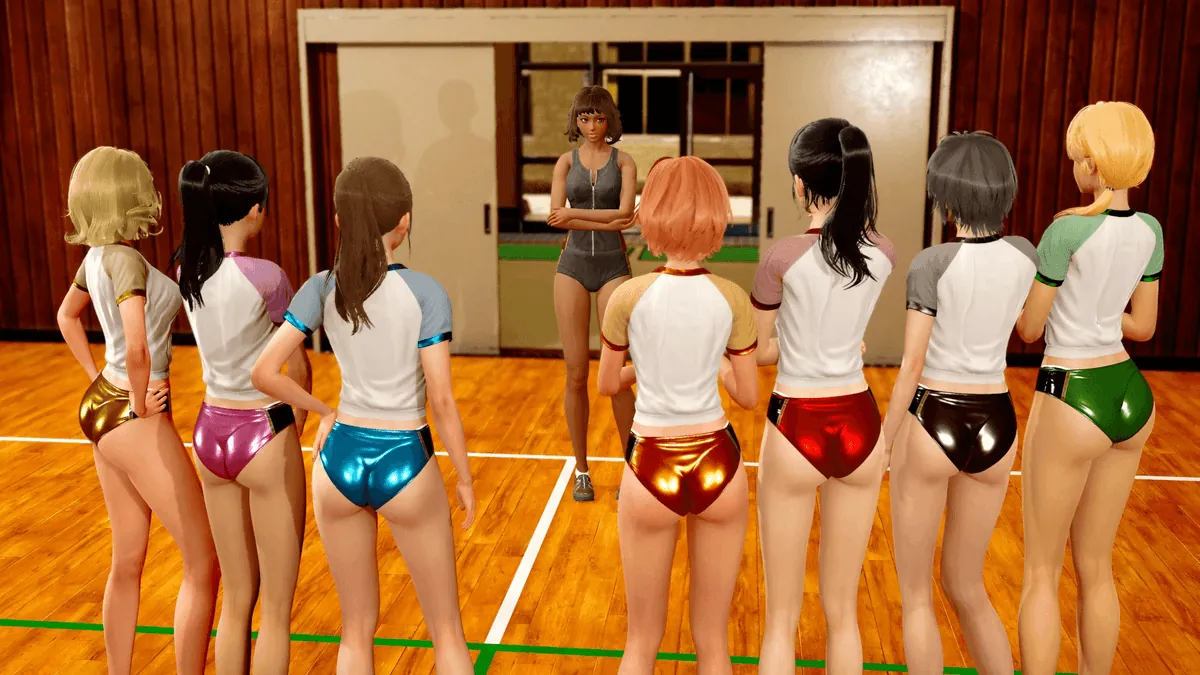
Play Bad Memories
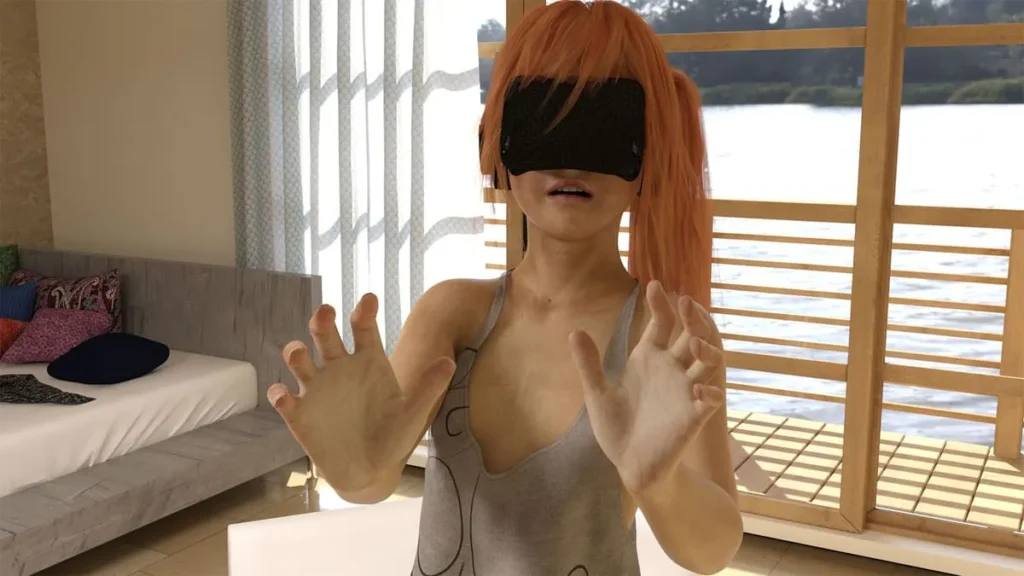
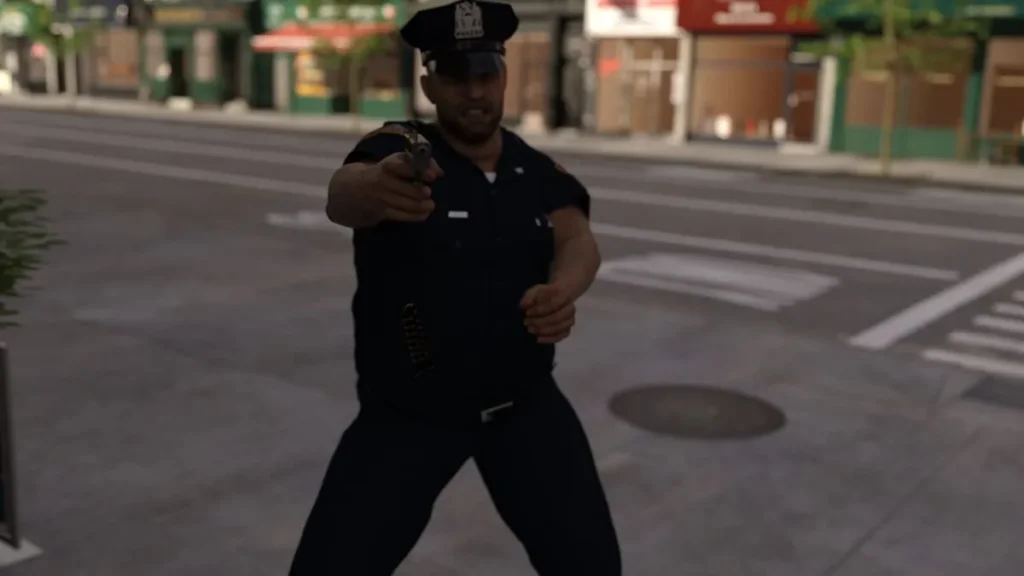
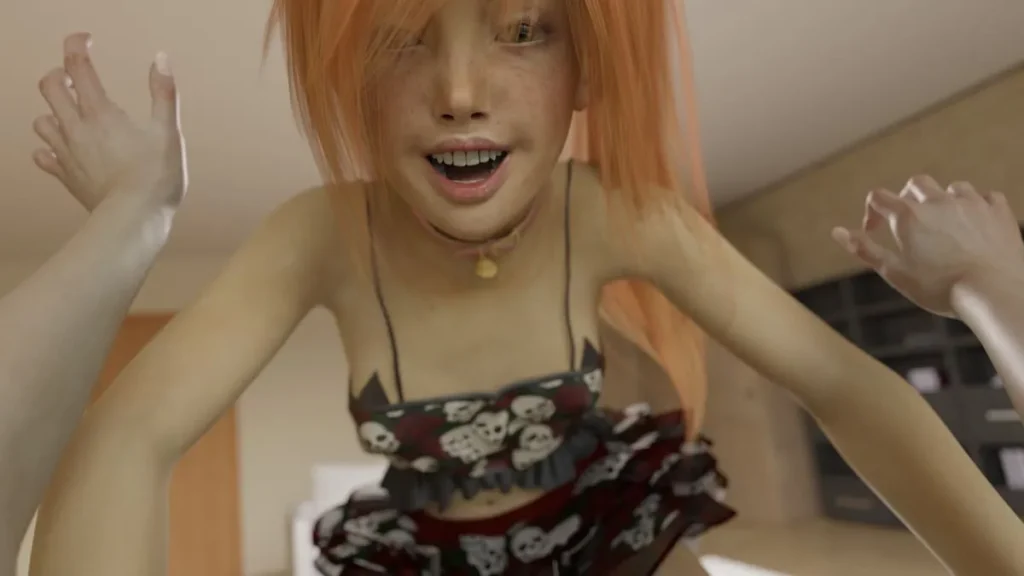
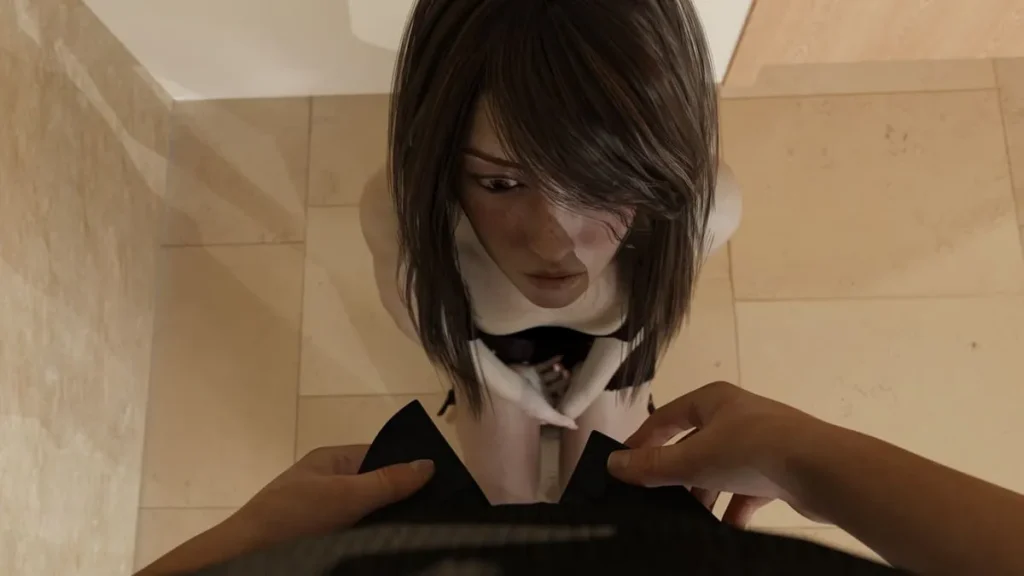
Bad Memories Screenshots
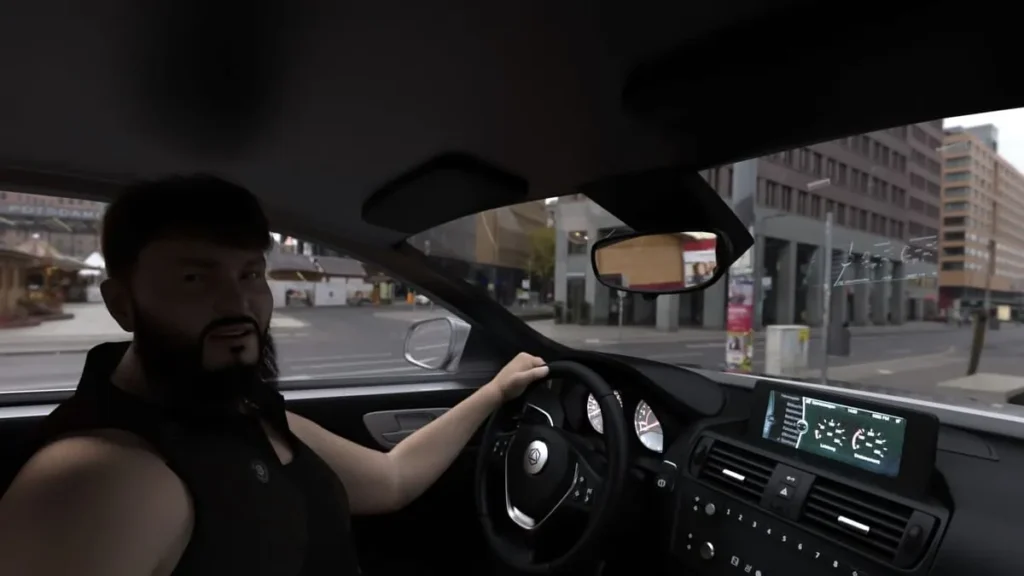
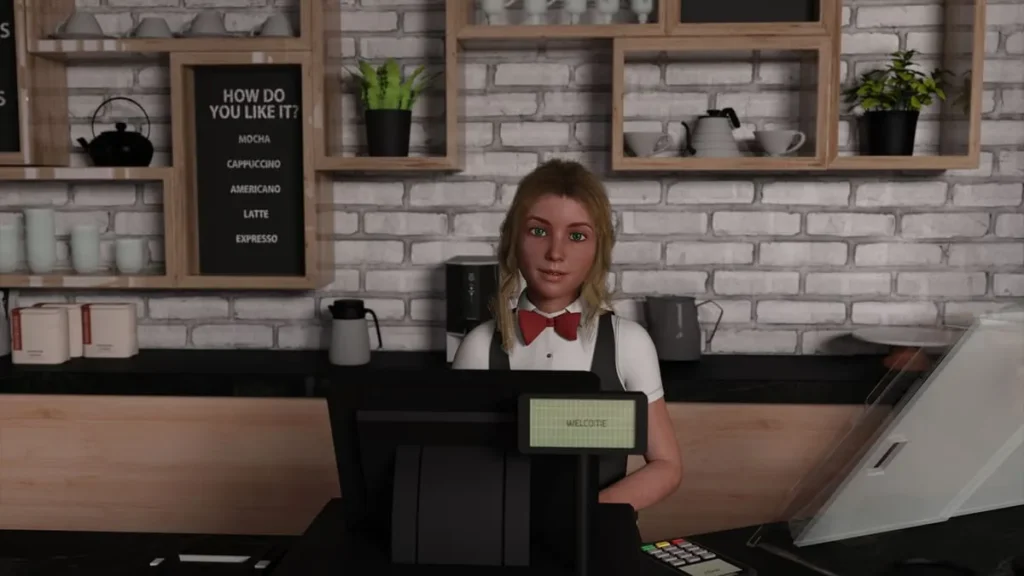




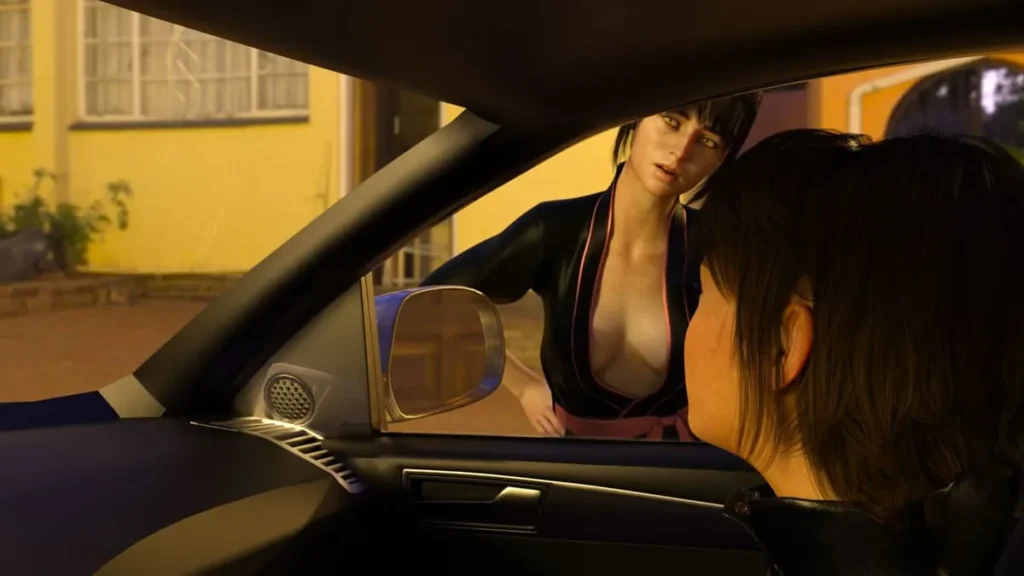



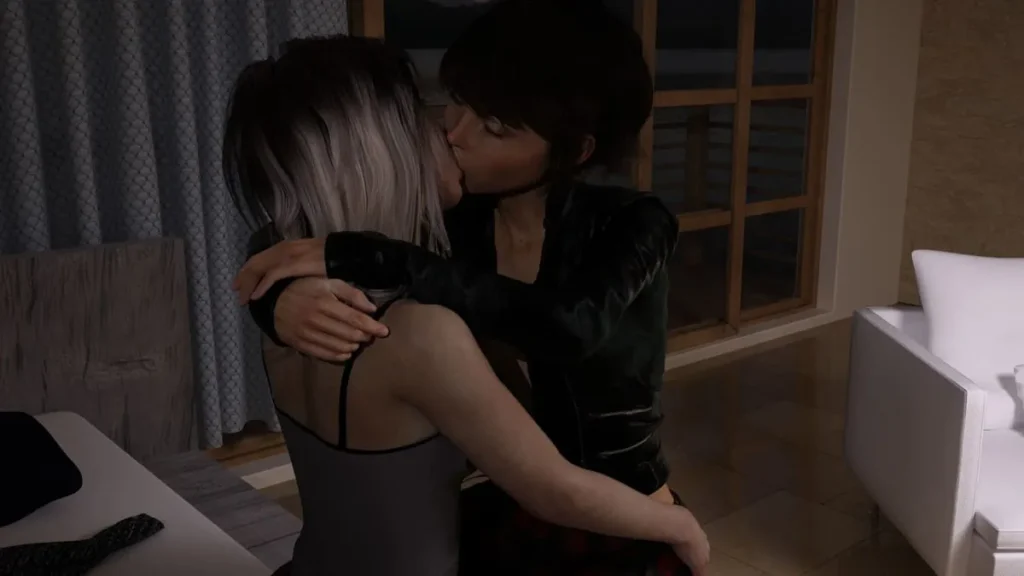


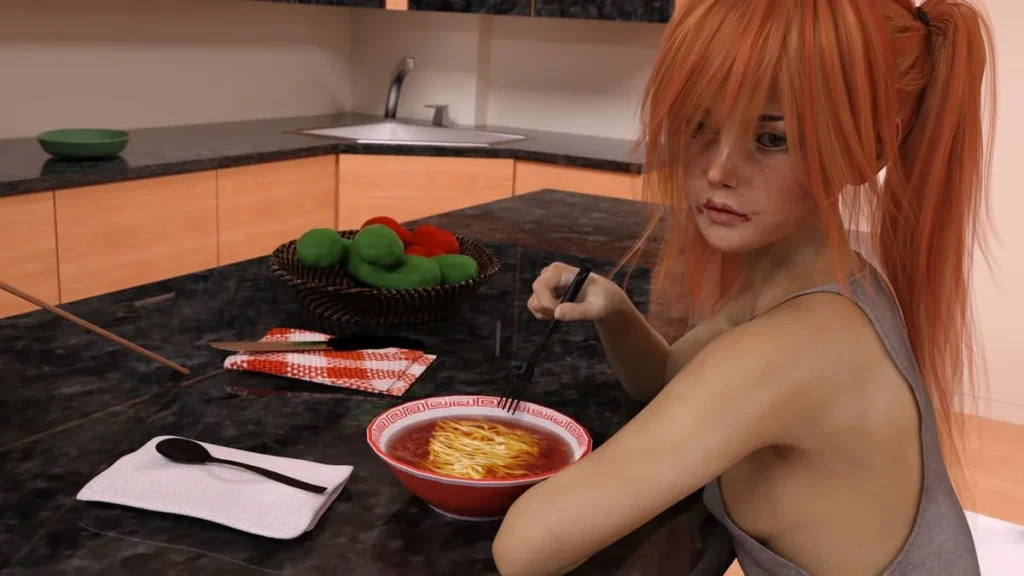
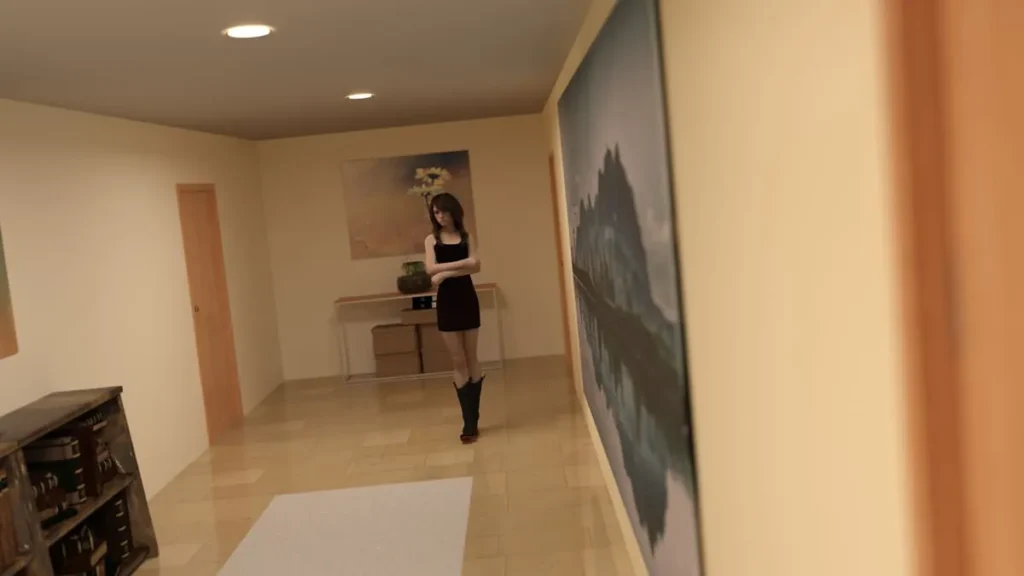

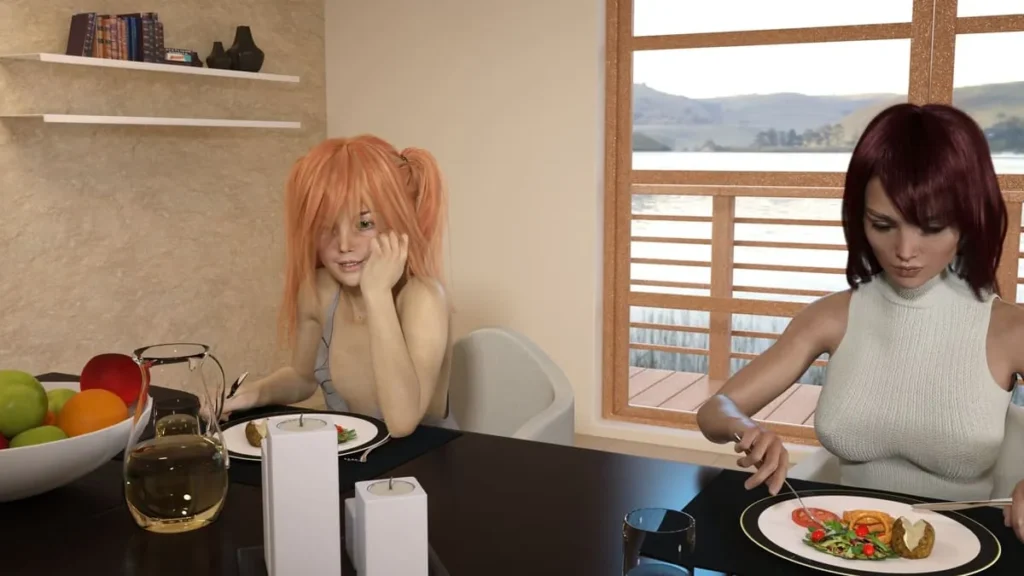

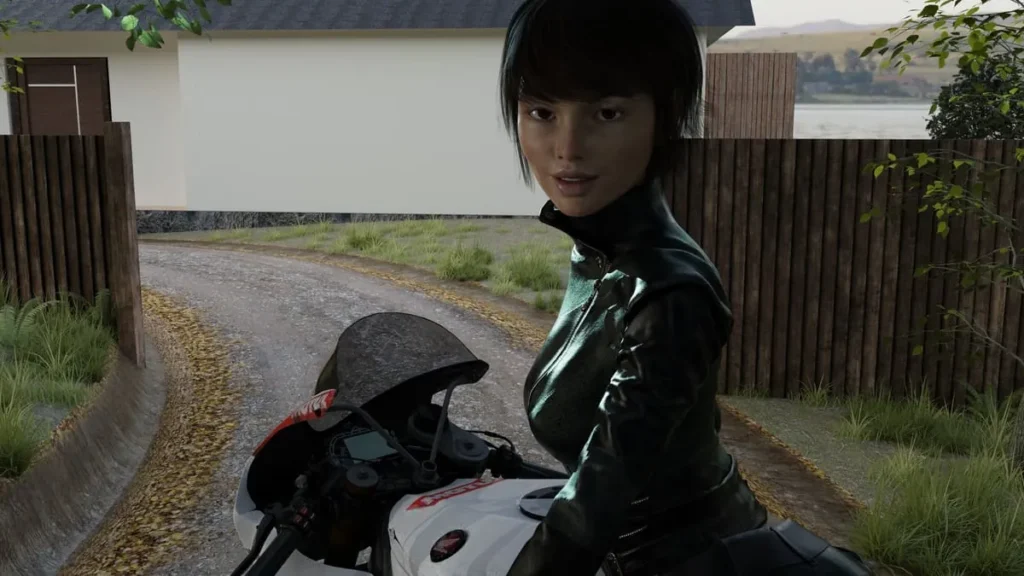

Bad Memories review
A deep dive into the story, choices, and impact of Bad Memories
Bad Memories is a choice-driven visual novel that immerses players in a world of complex relationships, emotional decisions, and unexpected outcomes. The game stands out for its branching storylines, memorable characters, and the way it handles mature themes. Whether you’re new to visual novels or a seasoned fan, Bad Memories offers a unique experience that challenges players to navigate difficult choices and uncover hidden truths. In this article, we’ll explore what makes Bad Memories a standout title in the genre, from its gameplay mechanics to its narrative depth.
Understanding Bad Memories: Story and Gameplay
Ever downloaded a game expecting a simple, relaxing story, only to find your palms are sweating because a single text message reply feels like a life-or-death decision? 😅 That was my exact experience with Bad Memories. I went in thinking I’d just watch a dramatic tale unfold, but I quickly realized I wasn’t just a spectator—I was the architect of the chaos. This visual novel doesn’t just tell you a story; it makes you live it, and every single choice echoes.
That’s the magic—and the gentle anxiety—at the heart of this experience. Bad Memories is a masterclass in how player decisions don’t just influence a story; they become the story. If you’ve ever wondered what it’s like to truly steer a narrative, buckle up. Let’s dive into how this game weaves its compelling, choice-driven web.
### What is Bad Memories?
At its core, Bad Memories is a narrative-driven visual novel that pulls you into a tangled web of friendships, secrets, and consequences. You play as a character returning to a hometown filled with, well, bad memories, reigniting connections with a group of old friends. The premise might sound familiar, but the execution is where it shines brilliantly ✨.
The game’s power lies in its interactive storytelling. You’re not clicking through static dialogue. Instead, you’re actively participating in conversations, deciding your character’s tone, choosing who to confide in, and determining which past grievances to unpack. The visual novel format is perfect for this, focusing your attention on the characters’ expressions, the poignant background art, and the weight of the written word. It feels intimate, like you’re personally navigating these complex character relationships.
Think of it as a book where you get to write the protagonist’s responses, or a film where you direct the lead actor’s every move. Your journey through Bad Memories is uniquely yours, defined from the very first dialogue option you select.
### How Choices Shape the Story
This is where Bad Memories truly separates itself from more linear narratives. The game is built on a foundation of branching storylines. Imagine a tree where every branch represents a different conversation path, a different revealed secret, or a different alliance formed. A seemingly innocuous choice in Chapter 2 can completely change the dynamics you experience in Chapter 5.
Here’s a personal example from my first playthrough: Early on, Rachel was venting about her stressful job. I had the option to be empathetically supportive or to lightly tease her to lighten the mood. I chose the tease, thinking it was a friendly nudge. Big mistake. 😬 That choice subtly shifted my rapport with her. Later, when a major conflict arose involving another character, Hanna, Rachel was far less willing to hear my side of the story. The game had remembered my flippancy, and it cost me her trust at a critical moment.
The game doesn’t have “right” or “wrong” choices, only consequential ones. Your moral compass is your only guide.
This system leads to the game’s most thrilling feature: multiple endings. You won’t see everything in one go. Your collection of story choices determines whether you uncover the full truth behind a central mystery, repair a broken friendship, or leave town with even more bad memories than you arrived with. Replayability is huge here. I’ve played through three times, and each ending felt like a valid, emotionally resonant conclusion to “my” version of the story. It’s a powerful reminder of how our player decisions in life and art ripple outward.
### Key Characters and Their Roles
The character relationships in Bad Memories are its beating heart. You can’t navigate these branching storylines without understanding the people who populate them. Each character is beautifully flawed, carrying their own baggage, and how you interact with them directly shapes your path.
- Rachel is often your initial anchor, the friend who seems most put-together but is hiding immense pressure. Your bond with her can become a safe haven or a source of major conflict.
- Ellie is the empathetic soul, often the peacemaker. Aligning with her can open paths of reconciliation, but it might also mean avoiding necessary confrontations.
- Hanna is the wildcard, shrouded in mystery and perhaps connected to the game’s central tensions. Gaining her trust is difficult but can reveal the story’s deepest layers.
- Jada brings a much-needed blunt realism to the group. Her route often feels like the “no-nonsense” path, cutting through drama but potentially alienating others.
To see how they fit into the narrative ecosystem, here’s a breakdown:
| Character | Their Role in Your Story | Influence on Endings |
|---|---|---|
| Rachel | The childhood friend; represents stability vs. suppressed conflict. | Key to endings focusing on reconciliation and returning to roots. |
| Ellie | The emotional core; acts as a bridge between conflicting parties. | Central to peaceful resolutions and uncovering emotional truths. |
| Hanna | The enigmatic figure; tied closely to the central mystery and past tensions. | Gatekeeper to the most secretive endings and dramatic revelations. |
| Jada | The realist; offers direct solutions and challenges groupthink. | Leads to pragmatic, often bittersweet, conclusions that prioritize moving on. |
Understanding these roles isn’t about picking a favorite; it’s about managing a dynamic web. Investing heavily in one character relationship might automatically distance you from another. Do you side with Rachel’s perspective or Jada’s in an argument? Do you believe Ellie’s intuition or Hanna’s cryptic warnings? There’s no meta-guide here, just your own instincts as you navigate these beautifully complicated lives.
In the end, Bad Memories is more than a game—it’s a personalized exploration of cause and effect. It proves that in a great visual novel, the story choices are the engine, the branching storylines are the landscape, and the multiple endings are the reward for your emotional investment. Your player decisions transform you from a reader into a co-writer, making the bad memories you uncover—or heal—profoundly and uniquely your own. 🎮💭
Bad Memories offers a compelling visual novel experience that keeps players engaged with its intricate choices and emotional storytelling. The game’s ability to weave together multiple storylines and character arcs makes it a memorable journey for fans of the genre. If you’re looking for a game that challenges your decisions and explores the complexities of relationships, Bad Memories is definitely worth your time. Dive into the story and see how your choices shape the outcome.