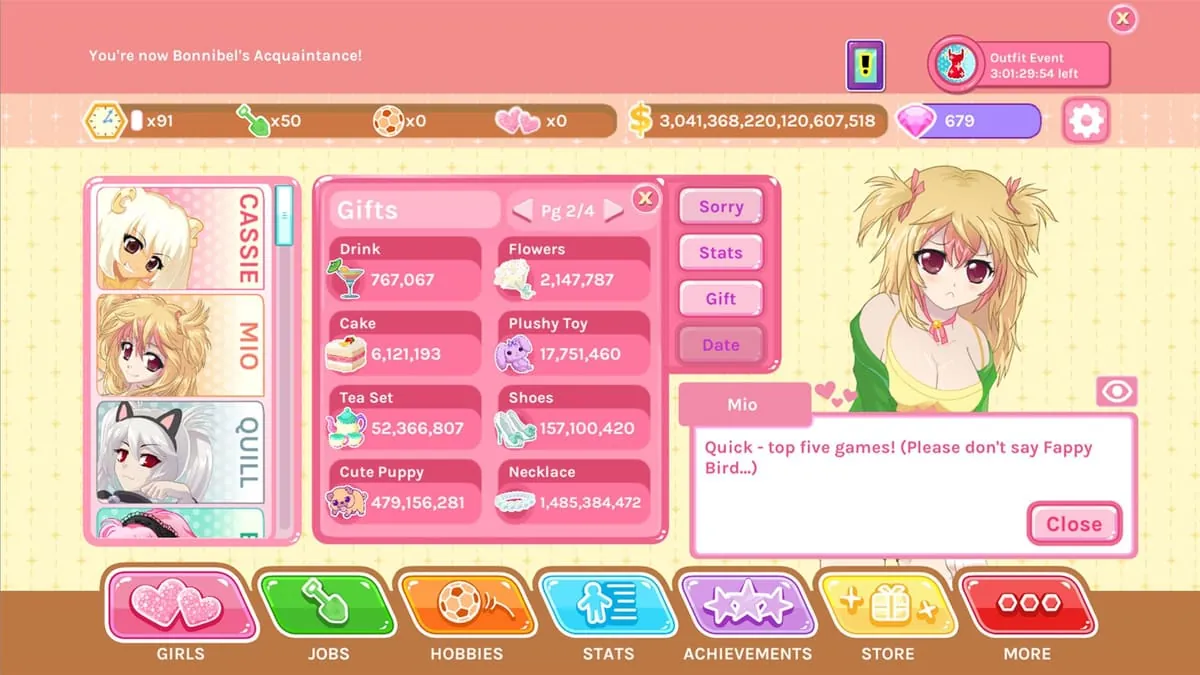
Champion of Realms
Play Champion of Realms
Champion of Realms Screenshots













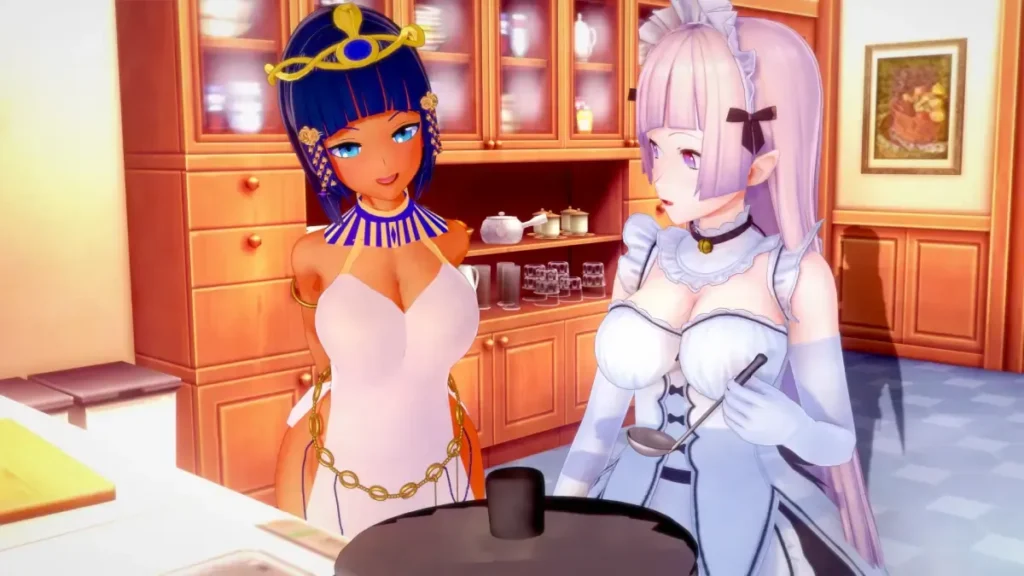
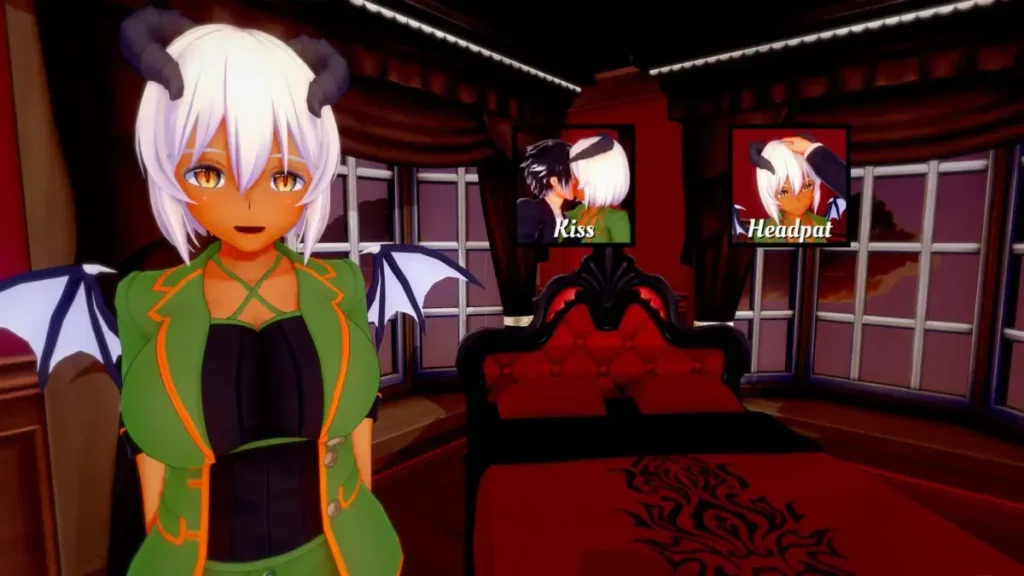


























Champion of Realms review
Everything You Need to Know About This Visual Novel Experience
Champion of Realms stands out as a narrative-driven visual novel that combines engaging storytelling with interactive decision-making. This game has garnered attention for its immersive character development and branching storylines that adapt based on player choices. Whether you’re new to visual novels or a seasoned player, understanding what Champion of Realms offers can help you determine if it’s the right experience for you. This guide explores the game’s core features, gameplay mechanics, character dynamics, and what makes it a compelling choice for fans of story-rich interactive entertainment.
Understanding Champion of Realms: Core Gameplay & Features
So, you’ve downloaded Champion of Realms, ready to dive in, and then… you just stare at the screen. 🎭 It’s beautiful, the music is sweeping, but a tiny, nervous thought pops up: “Wait, how does this work? Where’s the jump button?” If you’re used to games where you control a character’s physical actions, the Champion of Realms gameplay can feel like a different language at first. But trust me, once you learn its rules, you’ll discover a world of depth that few action games can match.
This isn’t about quick reflexes; it’s about lasting consequences. The core of the narrative-driven game experience here is that you are the author of your own destiny, one delicate, fraught, and beautiful choice at a time. Let’s break down exactly how this captivating world functions.
What Is Champion of Realms and How Does It Work?
At its heart, Champion of Realms is a digital choose-your-own-adventure book brought to stunning life. You step into the shoes of the protagonist, navigating a rich fantasy realm not through combat or platforming, but through conversation, observation, and decision. The primary “action” happens in your mind as you read dialogue, absorb the gorgeous artwork and soundtrack, and then select what to say or do from a list of options.
Think of it less as a “game” in the traditional sense and more as an interactive story where you have directorial control over the protagonist’s personality and relationships. The visual novel mechanics are the vehicle for this. You’ll progress through a series of screens featuring character sprites, detailed backgrounds, and text boxes. Your interaction points are clear and impactful: when the story reaches a crossroads, the game will pause and present you with a choice.
I remember my first major decision involved intervening in an argument between two key allies. One choice seemed diplomatically correct, the other felt emotionally true to how I was role-playing my character. I sat there for a full minute, agonizing! That moment of tension, that weight of responsibility, is the gameplay. It’s a psychological and emotional puzzle where the pieces are people’s hearts and the fate of kingdoms. This format, widely beloved on platforms like itch.io where the game is available, prioritizes character development and plot density over physical challenge, offering a uniquely personal and immersive adventure.
Key Gameplay Mechanics and Decision Systems
The magic of Champion of Realms isn’t just that you make choices, but how those choices weave together to create a story that feels uniquely yours. The systems under the hood are elegant and powerful, designed to make your interactive decision making feel meaningful. Let’s look at the key tools in your narrative toolkit.
First, the game is built on a foundation of branching storyline game design. Every significant choice you make acts like a fork in the road. Some forks lead to small, immediate changes in dialogue. Others are major plot divergences that can lock or unlock entire chapters, characters, and endings. There is no single “right” path, only different stories to uncover.
Here are the main gameplay features you’ll be engaging with:
* Dialogue Trees: Every conversation is a tree. Your initial response choice leads to new branches of dialogue, revealing different information and shaping how characters perceive you.
* Action Prompts: At critical moments, you won’t just choose words—you’ll choose deeds. “Investigate the ancient tome” vs. “Confront the spy immediately” can lead to vastly different discoveries and conflicts.
* The Trust & Affinity System: This is the silent, numerical heartbeat of the game. Every interaction adjusts hidden scores for your relationships. Be kind and supportive to a character, and their “Affinity” score with you rises. Be dismissive or deceitful, and it falls.
* Point-of-View Shifts: Occasionally, the narrative will briefly jump to another character’s perspective, giving you crucial insight into their motives and plans, which informs your future decisions.
* Chapter-Based Progression: The story unfolds in clear chapters, like a novel. Each chapter raises the stakes, deepens the mysteries, and forces your character to evolve based on the alliances and enmities you’ve cultivated.
To understand how these mechanics create story choices impact gameplay, let’s visualize a key decision point and its potential ripple effects.
| Your Decision | Immediate Consequence | Long-Term Branching Effect |
|---|---|---|
| Side with the Noble House in a dispute. | Gain their political support and resources. | Unlock missions within the noble court; the rival Merchant Guild becomes suspicious and less helpful. |
| Side with the Merchant Guild. | Receive rare trade goods and underground information. | Gain access to the black market storyline; the Noble House labels you an untrustworthy opportunist. |
| Refuse to take a side publicly. | Both parties are mildly displeased. | Unlocks a hidden, difficult “diplomatic middle path” later on, requiring high persuasion skills to navigate. |
As you can see, a single choice isn’t just about “good” or “bad.” It’s about defining who you are in this world and which doors you are willing to open—or slam shut. 🚪 The interactive decision making here demands you think like a strategist, not of armies, but of social and political consequences. My biggest lesson? Sometimes the choice that seems morally gray or even cowardly in Chapter 2 becomes the foundational reason for your ultimate victory in Chapter 7. The game remembers everything.
Character Relationships and Story Branching
If the plot is the skeleton of Champion of Realms, then the character relationship system is its beating heart and nervous system. 🫀 This is where the game truly shines and earns its status as a masterpiece of the visual novel mechanics genre. You’re not just accumulating allies; you’re building (or breaking) complex, multifaceted bonds that directly dictate the narrative paths available to you.
Every major character has their own motivations, secrets, and personal story arc. Your dialogue and action choices constantly feed into a hidden “Affinity” score with each of them. But this isn’t just a simple like/dislike meter. The game tracks nuanced dimensions like Trust, Respect, and Romantic Interest separately. You might have a comrade who Respects your battle prowess deeply (Trusts your command in a fight) but is Hurt because you consistently dismiss their emotional advice, locking you out of their vulnerable personal quest.
Pro Tip: Don’t try to please everyone on your first playthrough. It’s nearly impossible and, frankly, less rewarding. Choose 2-3 characters who resonate with you and focus on building deep, authentic bonds with them. The story will feel more coherent and personal.
The pinnacle of this system is how it drives the branching storyline game. Your relationship status with key figures acts as a key to entire narrative branches. For example:
* High Trust with the Royal Spy: They may confide a crucial secret to you early, allowing you to prevent an assassination and changing the entire political landscape of the mid-game.
* Neglected Relationship with Your Childhood Friend: They might not come to your aid in a moment of desperate need, forcing you to seek help from a more dangerous, unpredictable ally.
* Pursuing a Romantic Path: This isn’t just a “flirt” option at the end. A romantic subplot weaves itself into the main narrative, altering how your partner reacts in group decisions, offering unique supportive scenes, and even creating a special, co-dependent ending.
This creates an incredibly narrative-driven game experience where your emotional intelligence is your greatest weapon. I learned this the hard way. In one playthrough, I was so focused on the grand political plot that I brushed off the personal troubles of the party’s healer. Later, during a critical crisis, she was too distraught and mentally unfocused to perform a vital ritual. We failed. It was a devastating loss that stemmed not from a tactical error, but from a relational one. That failure haunted me more than any “Game Over” screen ever could, and it completely changed how I approached every interaction on my next run.
Ultimately, the Champion of Realms gameplay loop is a beautiful, addictive cycle: Make a choice → See its impact on characters and the world → Unlock new story branches based on those relationships → Face even more complex decisions. It’s a game designed not to be finished once, but to be lived through multiple times, each journey revealing new facets of its deeply constructed world and the fascinating people who inhabit it. Your choices aren’t just illusions; they are the very fabric of the tale. ✨
Champion of Realms delivers a compelling visual novel experience that prioritizes storytelling and character development above traditional gameplay mechanics. The game’s strength lies in its branching narrative system, where your choices genuinely matter and shape both character relationships and story outcomes. With a diverse cast of memorable characters, emotional depth, and multiple paths to explore, the game offers significant replay value for players seeking narrative-driven entertainment. Whether you’re drawn to complex character dynamics, meaningful decision-making, or emotionally resonant storytelling, Champion of Realms provides an engaging experience that keeps players invested in the fates of its characters. If you appreciate games where your choices create unique personal stories and where character relationships drive the narrative forward, this game is worth exploring.