
Corruption Time
Play Corruption Time
Corruption Time Screenshots

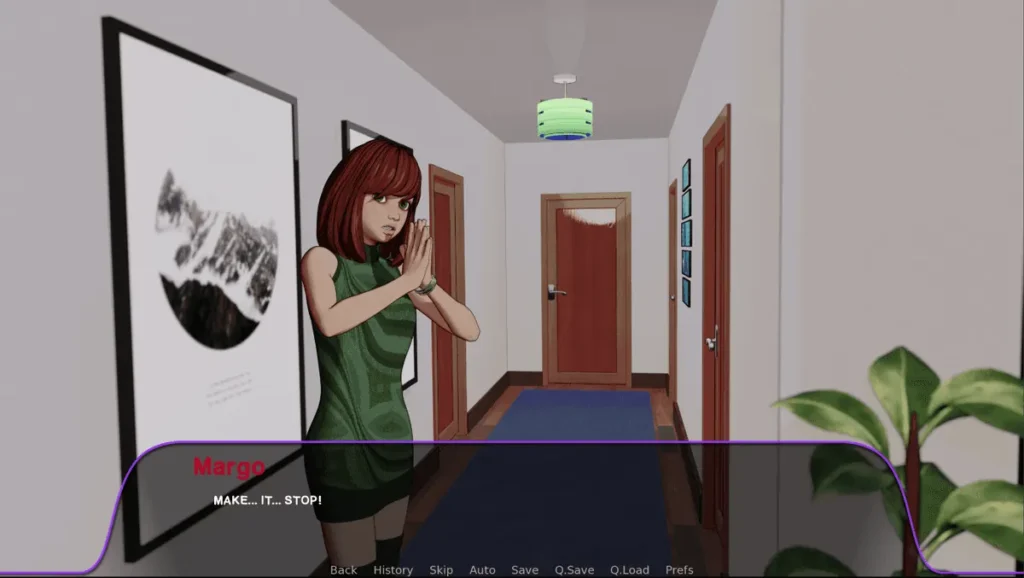
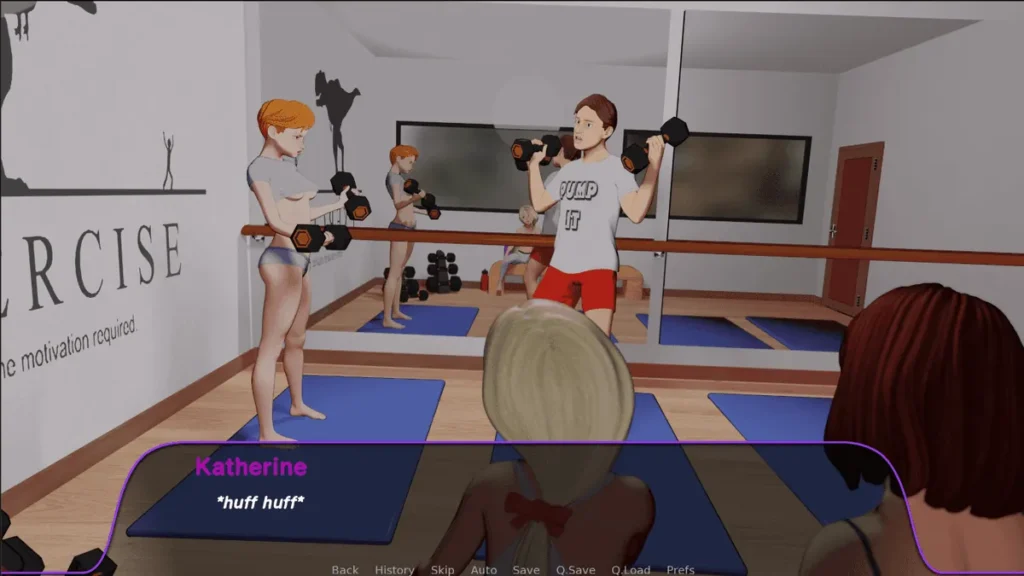

Corruption Time review
Master Influence, Choices, and Immersive Paths in This Addictive Adult Adventure
Ever stepped into a world where your every word twists fates and reshapes desires? That’s Corruption Time, the gripping adult interactive game by FilthySloth that’s hooked players with its branching storylines and influence-driven mechanics. As a rookie player, I was blown away when my first subtle persuasion unlocked a hidden path I never saw coming—pure thrill! In this guide, we’ll dive into Corruption Time gameplay, core features, character transformations, and pro strategies to help you dominate. Whether you’re chasing multiple endings or maximizing those steamy scenes, get ready to wield power like never before. Let’s corrupt the game your way.
What Makes Corruption Time Gameplay So Addictive?
I’ll never forget my first playthrough of Corruption Time. I strolled into the city’s corporate district, thinking my silver tongue could talk anyone into anything. I tried to sweet-talk a security chief into letting me into a restricted lab. It didn’t go well. 🚫 I was thrown out on my ear, and a little meter labeled “Verbal Credibility” with that faction tanked. That’s when it clicked. This wasn’t about picking the obviously “nice” or “mean” option. Corruption Time gameplay is a delicate, thrilling dance of pressure and persuasion, where every word, bribe, and subtle threat is tracked in a living, breathing ecosystem of human weakness.
The heart of this addictive experience is the influence system Corruption Time pioneers. It’s a web of interconnected meters tracking your reputation across factions, your relationships with individual characters, and even your own internal moral compass—your “Integrity.” Persuasion isn’t a dice roll; it’s a resource. You build it by doing favors, gathering compromising information (dirt is the best currency 🗃️), or donating to the right “charities.” Then, you spend it. Want a police report to disappear? That’ll cost you 20 points of “Blue Loyalty” and a hit to your Integrity. The genius is that these systems talk to each other. Getting cozy with the rival syndicate might unlock a new blackmail opportunity against the corporation, but it will also make the city watch distrust you. You’re not just playing a character; you’re managing a portfolio of sin.
How Does the Influence System Work in Corruption Time?
Let’s peel back the layers of this brilliant system. Unlike games where influence is a single number, Corruption Time mechanics treat it as a multi-faceted profile. Think of it as having several different bank accounts, each for a different type of social currency.
First, there are Faction Meters. These are broad reputations with major power groups: the City Watch, the Nova Corporation, the Syndicate, the Media, etc. Help them, and the meter fills, unlocking new missions, safe houses, or vendor discounts. Cross them, and it empties, leading to hostility, higher prices, or even open aggression. The influence system Corruption Time uses doesn’t just stop there. Within each faction, key NPCs have their own Relationship Scores. You might be on thin ice with the Watch overall, but Detective Miller, whom you helped cover up a mistake, might still feed you tips off the record. 👮♂️➡️🗣️
Then there’s the master currency: Leverage. This is the juicy stuff—the photos, the financial records, the secret recordings you find scattered in the world. Corruption Time gameplay rewards the nosy. That executive’s encrypted datapad you hacked? It contains proof of embezzlement. That’s not just a quest item; it’s a key. You can use it to force a choice from him, often at zero cost to your faction standing, but a massive cost to your own Integrity. This is where the game’s soul resides. Will you use the leverage to get what you want cleanly, or will you bury it to gain someone’s genuine, but slower-earned, trust?
My most unforgettable moment with this system came during the “Veridian Trial” arc. I was supposed to be gathering evidence for the prosecution. I found a piece of data that could exonerate the defendant—a small-time hacker framed by Nova Corp. The “right” thing was clear. But Nova Corp offered me a massive infusion of reputation and a unique cybernetic implant if the verdict went their way. I stared at the evidence screen. With a few clicks, I could alter a timestamp. It was a simple minigame, just aligning code fragments. I did it. The verdict was guilty. My Nova Corp meter shot up. My Integrity stat permanently gained a “Manipulative” trait, which later made certain compassionate dialogue options unavailable. The world didn’t end, but it shifted. A side character, the hacker’s sister, later confronted me in a bar, her dialogue full of a grief I had directly caused. That’s the power of Corruption Time choices. They’re not about good vs. evil; they’re about what you’re willing to sacrifice, and what permanently stains your soul.
Key Mechanics: Time Management and Branching Choices
If influence is the heart, then time and choice are the brain and nervous system of how to play Corruption Time. The game operates on a deceptively simple Corruption Time time management loop. Each “day” (which advances after major actions or when you sleep) gives you a set number of Time Units. Everything meaningful costs TUs: traveling across the city, hacking a terminal, schmoozing an NPC at a bar, or tailing a target.
This forces you to prioritize ruthlessly. You can’t do everything. A tip about a clandestine meeting tonight might conflict with your promise to help a contact dig up dirt. Which leads to a more valuable opportunity? Which strengthens a more crucial alliance? This constant triage is what makes the Corruption Time gameplay loop so incredibly tense and rewarding. You’re always making meaningful sacrifices, and the paths not taken haunt you—which is exactly what fuels the insane replayability.
And oh, the Corruption Time branching paths! This isn’t just “ending A, B, or C.” It’s a fractal narrative. Your early Corruption Time choices about who to trust determine which missions are even visible to you. Align with the Syndicate early, and you might be tasked with sabotaging a police convoy, forever locking you out of becoming a police informant storyline. The game keeps a hidden Decision Matrix, a log of every major choice and its cascading effects. In my second playthrough, I focused on media manipulation. By feeding stories to a reporter, I unlocked a whole arc about shaping public opinion to destabilize the mayor, a path completely invisible in my corporate-lackey first run.
Environmental storytelling feeds this too. Databases you hack reveal background lore that can become future leverage. Graffiti in an alley changes based on which faction is dominant in that district. The world isn’t a static backdrop; it’s a scoreboard for your influence.
To tie these Corruption Time mechanics together, here’s a quick-reference guide:
| Mechanic | Core Function | Player Impact & Pro Tip |
|---|---|---|
| Influence System | Tracks reputation with factions & individuals via meters. Leverage acts as a consumable key for forced choices. | Check faction screens before major decisions. Sometimes, spending leverage is cleaner than burning reputation. |
| Time Management | Daily Time Units (TUs) limit actions, forcing strategic prioritization of tasks, relationships, and exploration. | Plan your “day” around a single goal. Chaining related tasks in one district saves TUs on travel. |
| Decision Matrix | Hidden log tracking key choices, permanently altering story branches, NPC availability, and world state. | Embrace the cascade. Don’t reload a “bad” choice immediately; see where it leads for a unique story. |
Pro Tips for Mastering Corruption Time Interactions
After multiple playthroughs, here’s the hard-earned advice I wish I’d had from the start. This is your cheat sheet for how to play Corruption Time like a true puppet master.
- Save Scum Strategically, Not Cowardly. 💾 Before a major influence spend or a tricky minigame (like evidence tampering or lockpicking), create a hard save. This lets you explore consequences risk-free. But try to stick with the results—the most memorable stories come from unintended disasters.
- Talk to Everyone. Twice. 🗣️ NPC dialogue often updates after you complete a task or gain new leverage. A second conversation can yield hidden tips, new side quests, or reveal a character’s vulnerability you can later exploit.
- Prioritize Your Daily TUs Like a CEO. Your most limited resource is time. Each morning, pick one primary goal (e.g., “Increase Syndicate rep”). Map out the most efficient sequence of tasks to achieve it. Avoid cross-city backtracking!
- Diversify Your Influence Portfolio. Putting all your points into one faction makes you powerful but vulnerable. Maintaining middling rep with several groups keeps more Corruption Time branching paths open for longer, giving you more strategic flexibility.
- Listen to the Environment. The world is talking. News broadcasts change based on your actions. The tone of NPC barks shifts. A once-secure area might become hostile. This ambient feedback is your best guide to the state of your evolving world.
This dense web of systems—the influence system Corruption Time builds, the punishing Corruption Time time management, and the profound weight of Corruption Time choices—culminates in something magical: a dynamic, evolving world that feels genuinely responsive. You aren’t following a story; you’re conducting it, with every interaction, every spent favor, and every sacrificed principle composing a symphony of consequence. The addiction doesn’t come from just seeing what happens next, but from the burning need to try a different instrument, to hear how the melody changes when you play a different tune of corruption. That’s the ultimate promise of Corruption Time gameplay: a world that is truly, deeply, your own creation, for better or much, much worse.
Corruption Time isn’t just a game—it’s your canvas for weaving influence, chasing transformations, and unlocking endings that feel personal and earned. From my endless replays tweaking influence meters to savor those animated scenes, it’s clear why this title stands out in adult interactive adventures. You’ve got the mechanics, tips, and strategies now—dive in, experiment with paths, and make the story yours. Ready to play? Grab Corruption Time today and start shaping destinies. Your next favorite playthrough awaits!