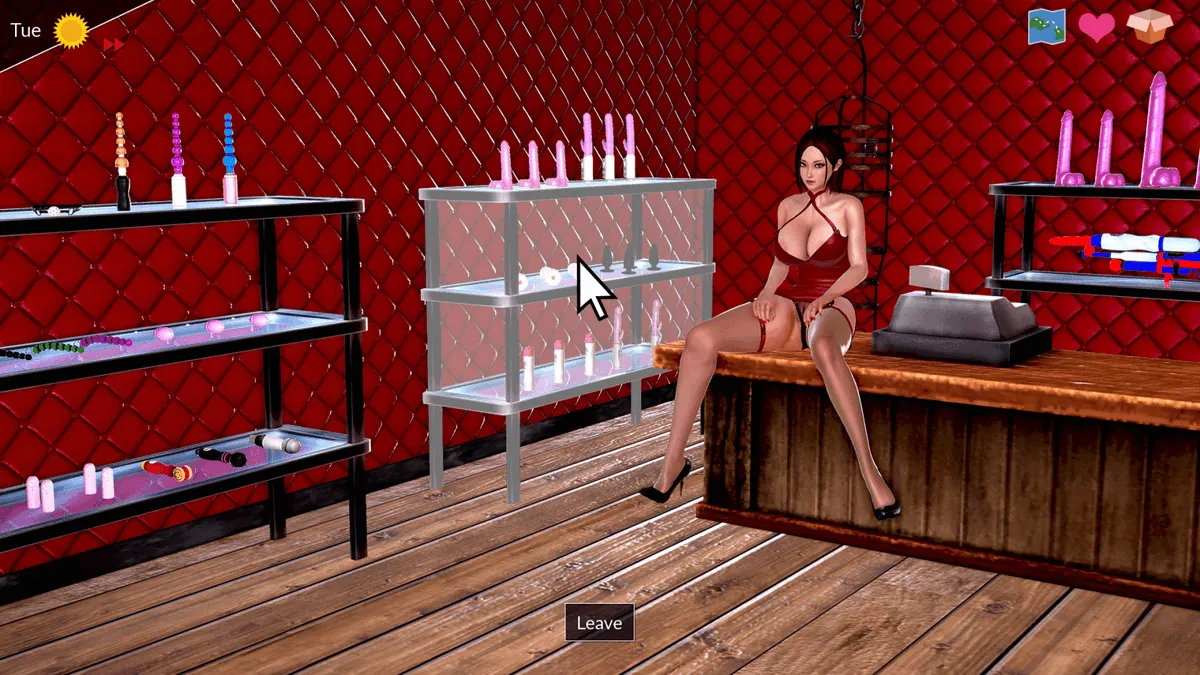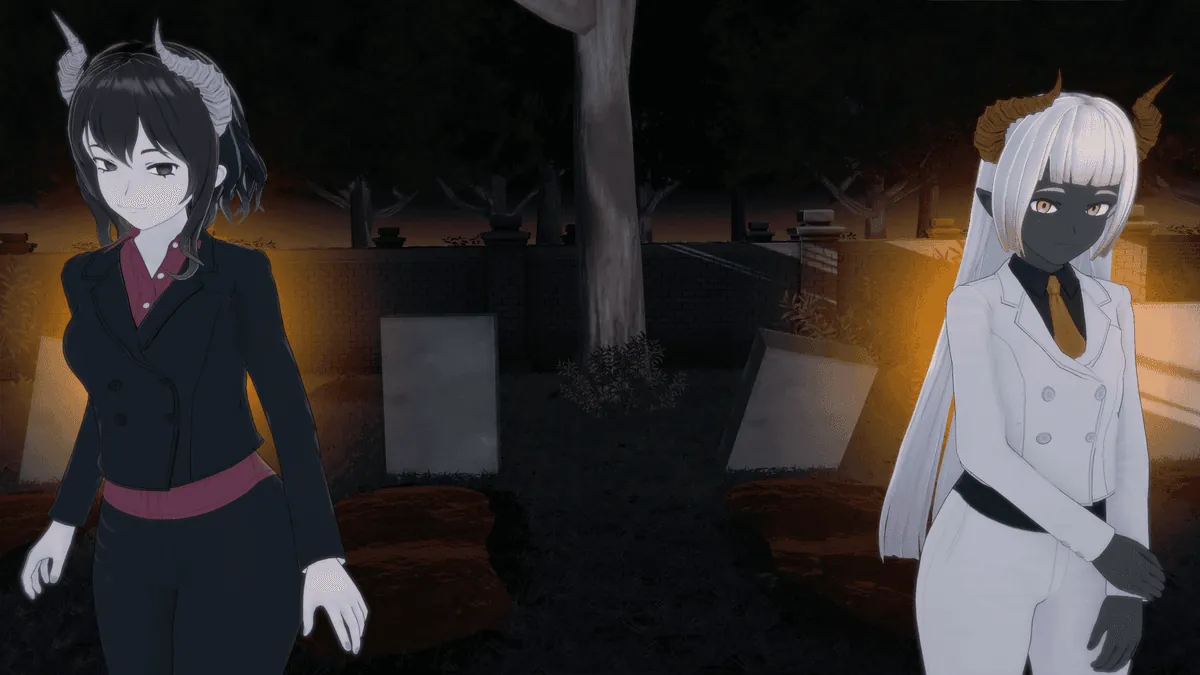
Demons of the Hearth
Play Demons of the Hearth
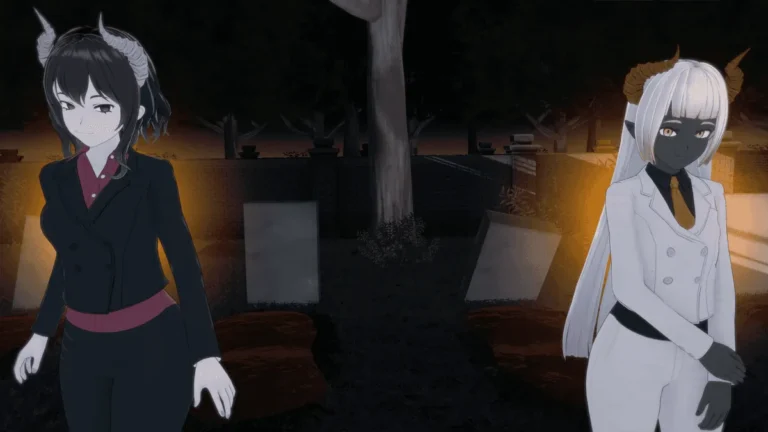
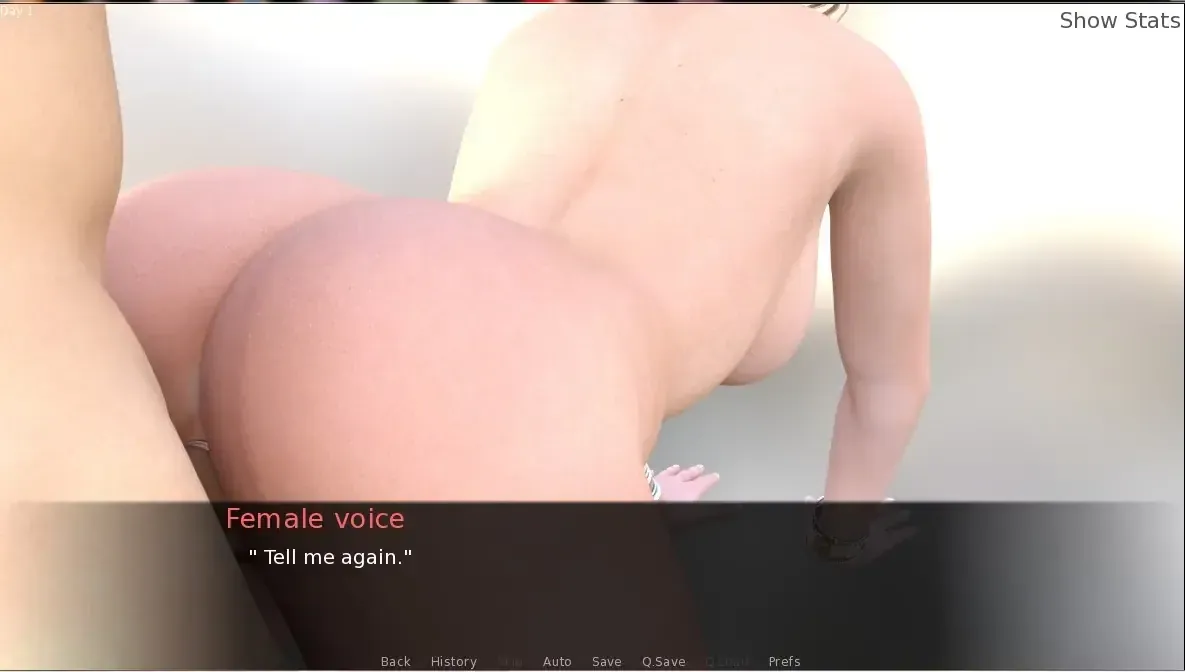
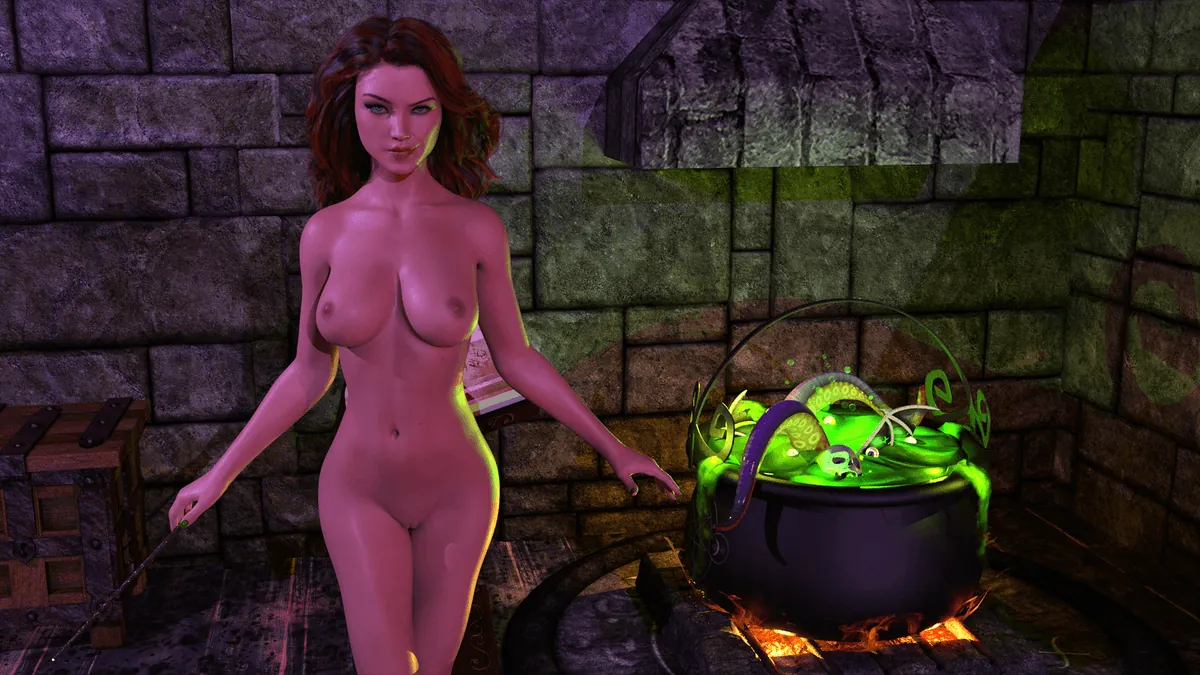
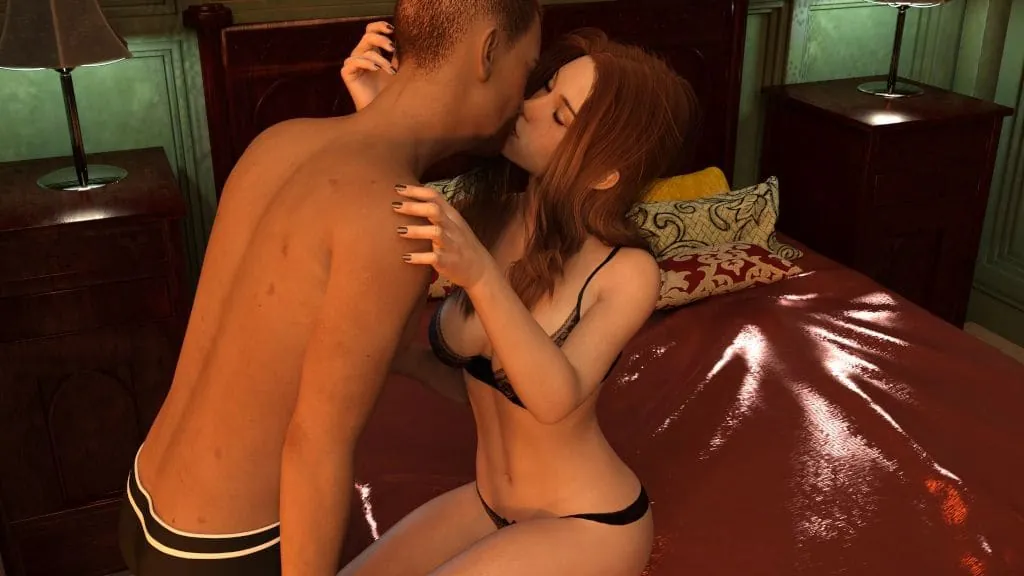
Demons of the Hearth Screenshots
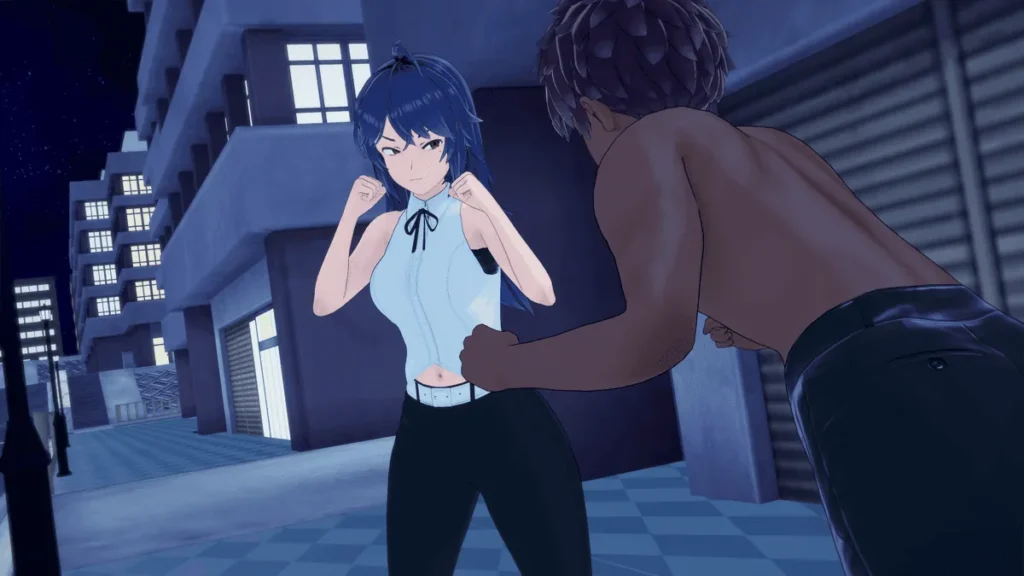
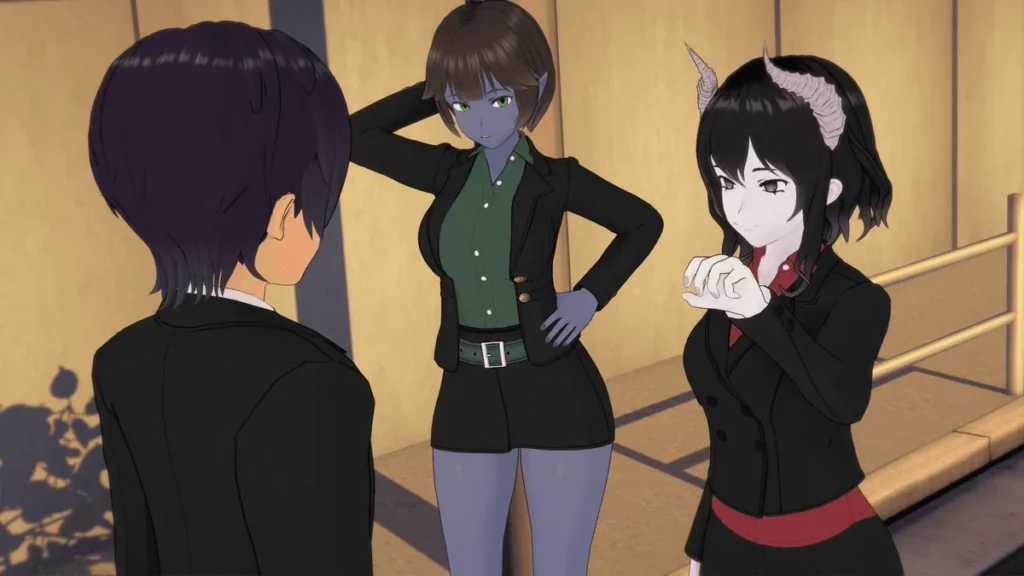
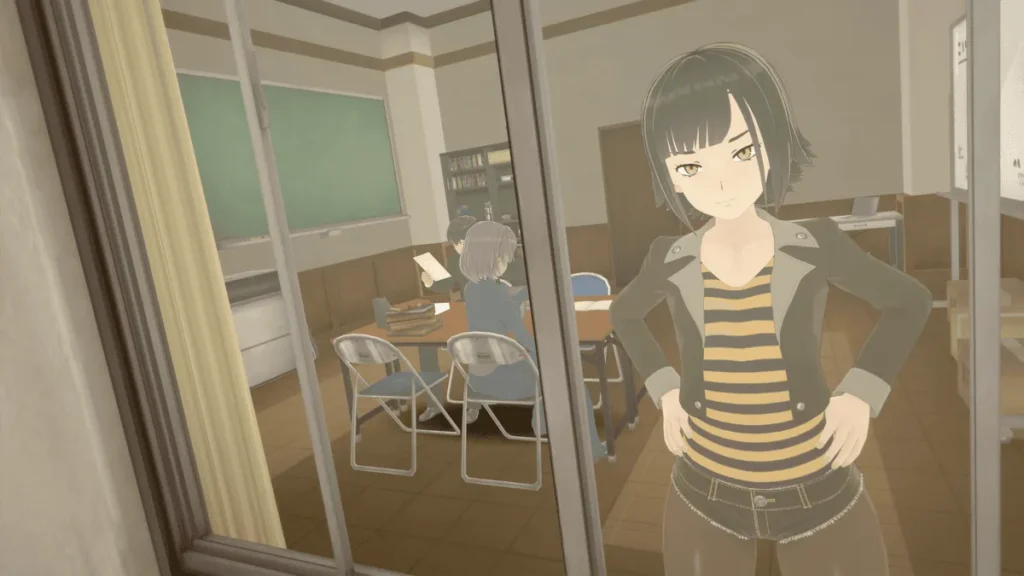

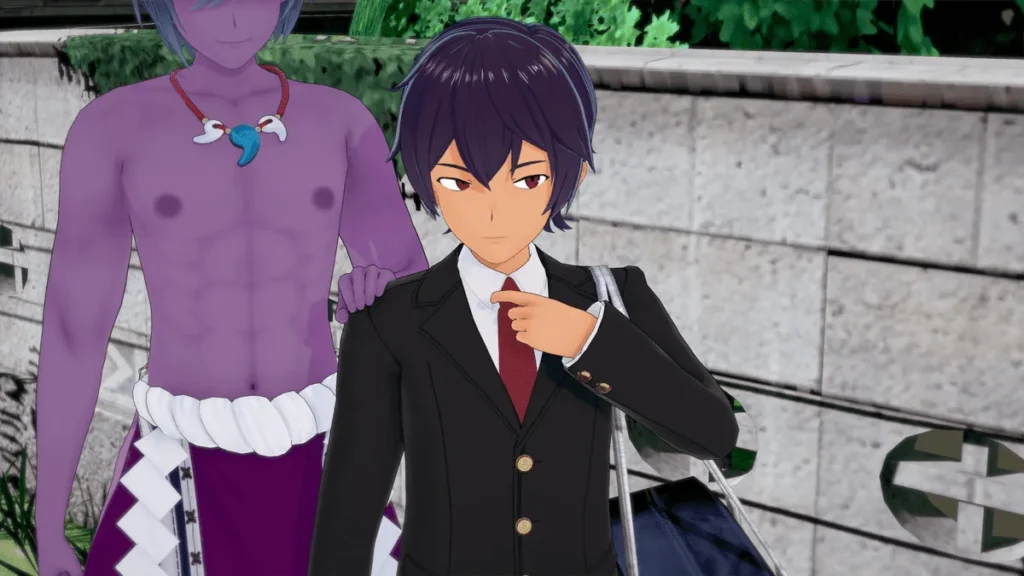
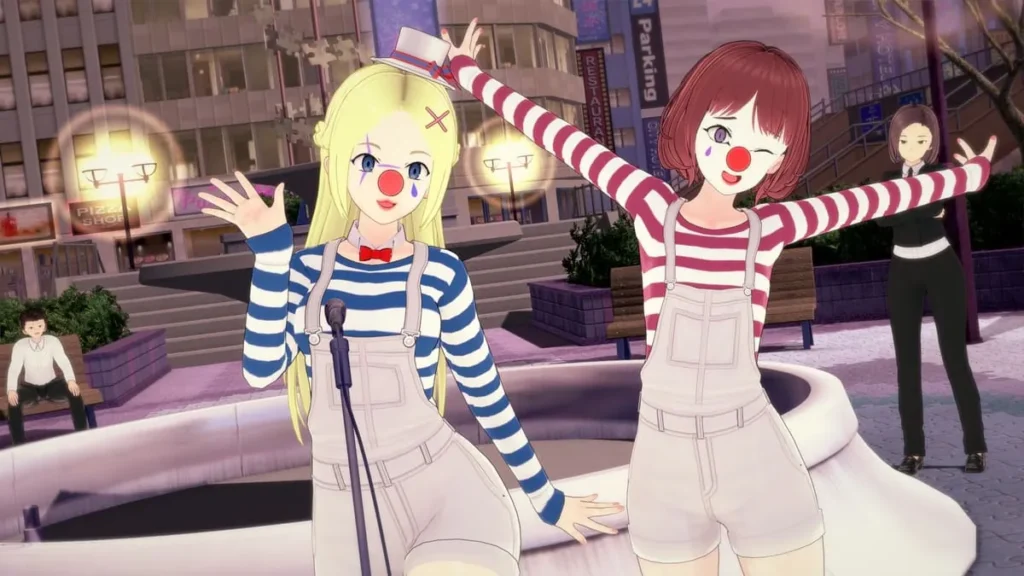
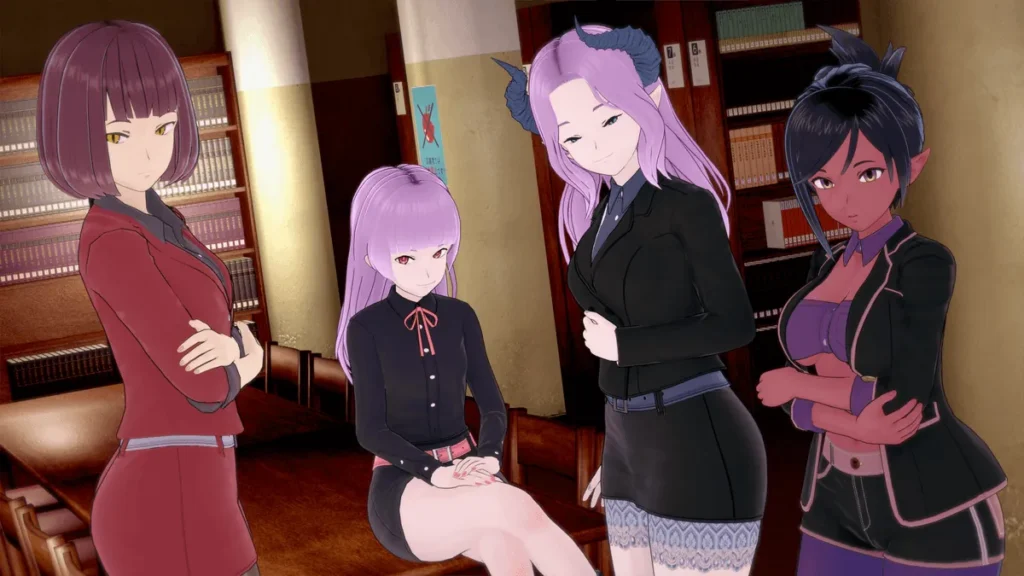
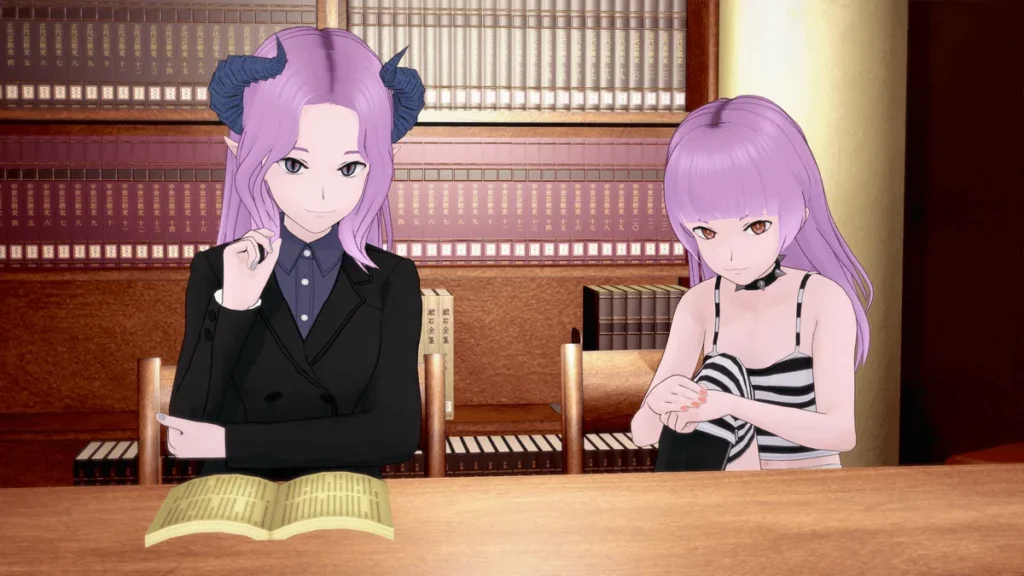
Demons of the Hearth review
Exploring the storytelling, content, and reception of this acclaimed indie title
Demons of the Hearth has emerged as a standout indie visual novel that defied expectations in the indie gaming community. Initially dismissed by some as a potential scam, the game delivered substantial content and polished production values that surprised players. This comprehensive guide explores what makes Demons of the Hearth noteworthy, from its narrative depth to its development journey. Whether you’re curious about the game’s story, wondering about its length and content, or interested in understanding why it gained traction among visual novel enthusiasts, this article covers everything you need to know about this indie success story.
Understanding Demons of the Hearth: Game Overview and Development
Let’s be honest, when you hear “indie visual novel game,” a few assumptions probably flicker to mind. Maybe you picture a short, charming experience with a few lovely character sprites and a simple story wrapped up in an evening. There’s absolutely nothing wrong with that—some of my favorite gaming memories come from exactly those kinds of projects. But every so often, a title comes along that takes those expectations, gives them a polite but firm nod, and then proceeds to build something sprawling, ambitious, and breathtakingly detailed right in your browser window. That title is Demons of the Hearth.
This chapter is your invitation to step inside that world. We’re going to unpack what this game truly is, trace its fascinating journey from a hopeful concept to a community darling, and tackle one of the most delightful surprises it offered: its sheer, substantial size. If you’ve ever been curious about what happens when indie game development passion meets unwavering commitment to quality, you’re in the right place.
What is Demons of the Hearth?
So, what exactly is Demons of the Hearth? At its core, it’s a supernatural, character-driven visual novel that masterfully blends slice-of-life warmth with gothic mystery. You step into the worn shoes of a protagonist who inherits a crumbling, centuries-old mansion, only to discover it’s already occupied—not by squatters, but by a group of ancient, beguiling, and sometimes terrifying supernatural beings bound to the estate. Your job isn’t just to renovate dusty halls; it’s to navigate delicate pacts, unravel deep personal and historical secrets, and manage relationships with entities who have seen empires rise and fall.
The Demons of the Hearth gameplay loop is a compelling mix of exploration, choice, and resource management. Your days are spent making decisions that affect the mansion’s state, your bonds with its otherworldly inhabitants, and the unfolding mystery of your own family’s past. It’s this rich integration of a nurturing sim element (caring for the home and its residents) with a gripping, choice-heavy narrative that sets it apart. You’re not just reading a story; you’re actively shaping a home and its future, one decision at a time.
I remember my first hour with the game. I expected a straightforward, maybe 2-hour tale. Instead, I found myself meticulously planning my in-game week: “Should I spend my limited ‘energy’ fixing the west wing to please the melancholic spirit there, or should I investigate the strange whispers in the library to learn more about the binding pact?” The depth was immediate and engrossing. The Demons of the Hearth story isn’t a single thread but a tapestry, where every character’s personal arc is woven into the grand history of the house itself. It creates a powerful sense of place and purpose that few games, indie or otherwise, achieve.
Pro Tip for New Players: Don’t rush. The beauty of Demons of the Hearth is in the quiet moments—the conversations over a repaired hearth, the discoveries in a cleared-out attic. Let yourself sink into the rhythm of the mansion’s life.
Available primarily on Itch.io visual novels platforms, it represents the very best of that space: direct-from-developer creativity, a passionate community, and art that feels personal and un-compromised by larger corporate trends. It’s a testament to what a solo developer or a small, dedicated team can achieve when their vision is clear.
Development Journey and Community Expectations
The road to creating a standout indie visual novel game is rarely smooth, and the path for Demons of the Hearth is a classic underdog story that resonates deeply within the community. When the first teasers and development blogs appeared, the reaction was a familiar mix of excitement and cautious skepticism. The scope described—multiple intricate character routes, a dynamic mansion state system, branching narratives—sounded massive. In a landscape where many projects sadly fade away or end up much smaller than planned, veterans of the indie game development scene have learned to temper their expectations.
I’ll admit, I was part of that cautiously optimistic crowd. Having followed dozens of promising projects that scaled back their ambitions, I thought, “This looks beautiful, but let’s see what actually launches.” The community’s initial questions often circled around visual novel content length and feature completeness. Would this be a demo with promise, or a full, satisfying experience?
The developer’s approach turned this skepticism into one of the game’s greatest strengths. Instead of vague promises, they engaged in transparent, consistent communication. They shared development milestones, snippets of the intricate art, and discussed the narrative structure openly. This built a foundation of trust. It wasn’t marketing hype; it was a craftsperson showing their work. As the updates rolled in, showcasing more of the stunning art, the complex character backstories, and the interactive systems, that cautious “let’s wait and see” murmur began to transform into genuine, palpable anticipation.
The launch itself was a quiet event in the grand scheme of the gaming world—no massive Steam front-page takeover—but within its niche, it was a tremor. The first wave of player feedback echoed a single, thrilling sentiment: “It’s all here. And there’s so much of it.” The game didn’t just meet its promised features; it delivered them with a polish and narrative depth that felt like discovering a hidden gem in a used bookstore—a complete, wonderful world waiting to be explored. This journey from doubt to acclaim is a core part of the game’s identity and a brilliant case study in how to build and nurture a project with integrity.
Content Volume and Production Quality
This brings us to the big, wonderful shocker: the sheer scale of it all. The visual novel content length in Demons of the Hearth became its own talking point. Players, myself included, went in expecting a compact story and emerged dozens of hours later, still finding new corners of the mansion and new layers to the characters’ souls. We’re not talking about padded playtime with grind; we’re talking about dense, meaningful, written and interactive content. A single playthrough, focusing on one character’s path and exploring a fraction of the mansion’s secrets, can easily span 15-20 hours. To see all the story branches, character endings, and uncover every secret? You’re looking at a commitment of 40+ hours, a scope that rivals many triple-A narrative titles.
This astounding volume is matched blow-for-blow by its production quality. Let’s break down what that means:
- Art & Assets: The game is visually sumptuous. It features a large roster of unique, expressive character sprites with varied outfits and emotional states. The background art for the mansion isn’t just a few recycled rooms; it’s a vast collection of detailed, atmospheric locations that evolve as you restore them. The careful use of lighting and special effects during key scenes adds a layer of cinematic polish rarely seen in freeware or low-cost indie titles.
- Writing & Narrative Depth: The Demons of the Hearth story is its cornerstone. The writing is sharp, evocative, and patient. Each supernatural resident has a millennia of history that slowly unfurls, and your protagonist’s own journey is equally compelling. The branching choices feel significant, often altering relationships and available story paths in subtle and dramatic ways.
- Music & Sound Design: The original soundtrack is a haunting, beautiful companion. It knows when to be a melancholic piano piece in a dusty sunbeam and when to swell into something grand and eerie for a story revelation. The sound design—creaks of floorboards, crackles of fire, distant echoes—is meticulously crafted to build the mansion’s atmosphere.
So, how did a project of this scale come to be? It boils down to a developer’s profound commitment. This wasn’t a game churned out quickly; it was clearly a labor of love, built over years with a steadfast dedication to a complete vision. The developer prioritized a finished, substantive experience over a quick release. In an online marketplace where it’s easy to get lost, they understood that quality and quantity (of the right, meaningful kind) would be their loudest megaphone.
This commitment redefined what many thought possible for a game in this space. It proved that an indie visual novel game could be both a deeply personal artistic statement and a sprawling, content-rich epic. It raised the bar, showing that players are hungry for and will passionately support projects that offer genuine, meaty experiences.
To visualize what sets this title apart, let’s look at the key features that players and reviewers consistently highlight:
| Feature Category | What It Entails | Why It Stands Out |
|---|---|---|
| Narrative Scope | Multiple, deeply-woven character routes with true branching consequences. A central mystery tied to the mansion’s history. | Offers replayability and a sense that choices genuinely matter, creating a personalized story for each player. |
| Gameplay Integration | Resource management (energy, materials) combined with relationship-building and exploration of a dynamic environment. | Moves beyond passive reading; players actively participate in restoring the world, making the narrative engagement feel earned. |
| Artistic Presentation | High-quality, original character art, extensive background sets, and a custom musical score. | Creates a consistently immersive and professional atmosphere that rivals commercial productions. |
| Content Volume | Dozens of hours of story per route, with significant variations and secrets encouraging full exploration. | Delivers exceptional value and depth, challenging the notion that indie VNs are inherently short experiences. |
| World-Building | A rich lore for the mansion and each character, revealed through story, collectibles, and environmental clues. | The setting itself becomes a character, fostering a powerful sense of discovery and attachment for the player. |
In wrapping up this overview, it’s clear that Demons of the Hearth is more than just a game; it’s a benchmark. It arrived in a space colored by understandable skepticism and proved that with vision, transparency, and sheer dedication, an indie developer can craft a world that feels boundless. It redefined expectations for visual novel content length and production value, showing that the most compelling stories aren’t always the ones with the biggest budgets, but often the ones crafted with the most heart. The mansion’s doors are open, and the stories within are waiting—deep, affecting, and wonderfully, satisfyingly long.
Demons of the Hearth represents a significant achievement in indie visual novel development, proving that independent developers can deliver polished, content-rich experiences that rival larger productions. The game’s journey from initial skepticism to community acclaim demonstrates the importance of quality execution and substantial content delivery in building player trust. For those interested in visual novels, indie gaming, or simply well-crafted storytelling experiences, Demons of the Hearth offers a compelling case study in how passion projects can exceed expectations. The game continues to engage its community through platforms like Itch.io, where players share their experiences and discuss the narrative elements that make it memorable. Whether you’re a seasoned visual novel enthusiast or new to the genre, exploring what Demons of the Hearth has to offer provides insight into the evolving landscape of indie gaming and the creative possibilities within visual storytelling.