
Desert Stalker
Play Desert Stalker
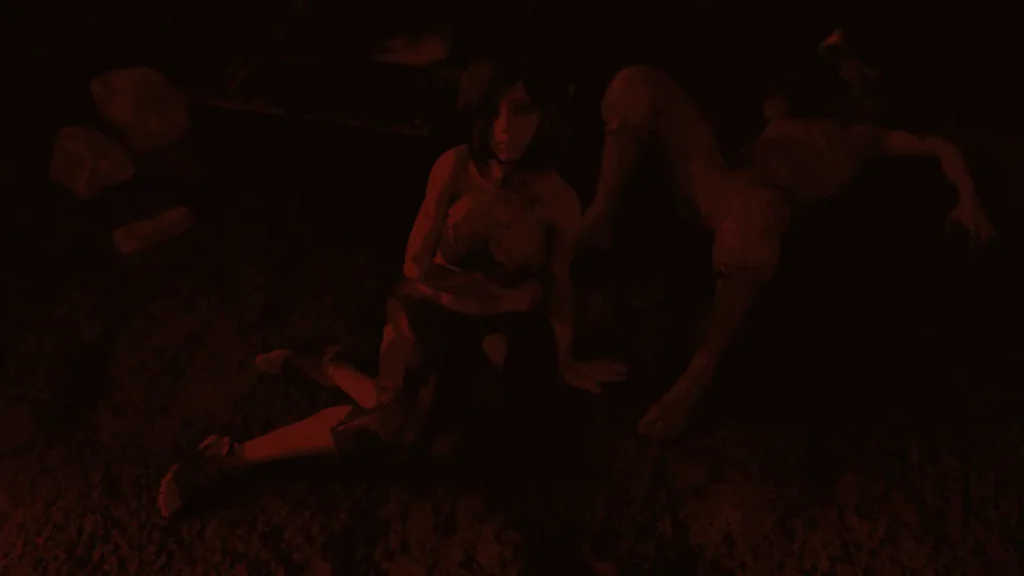
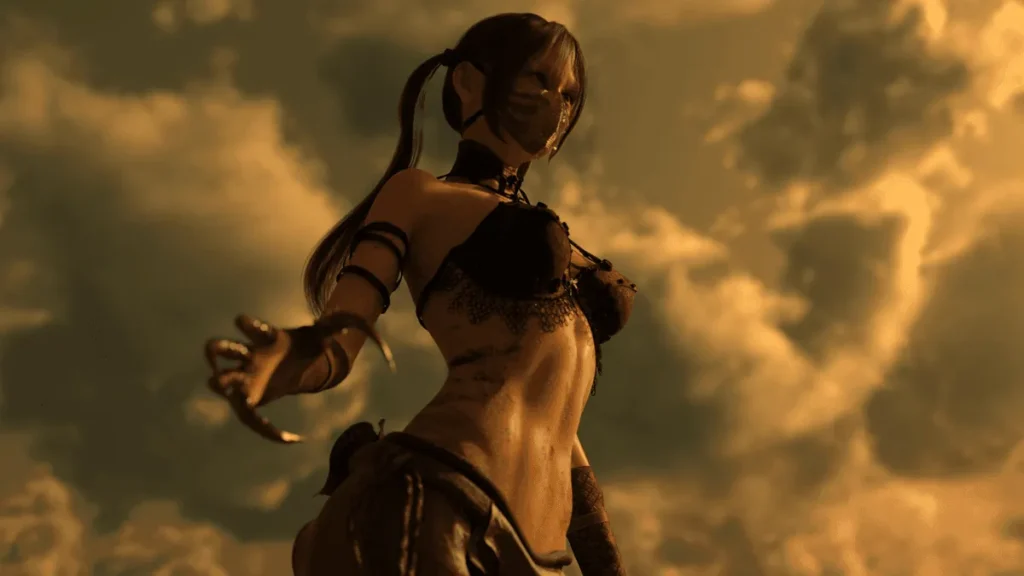
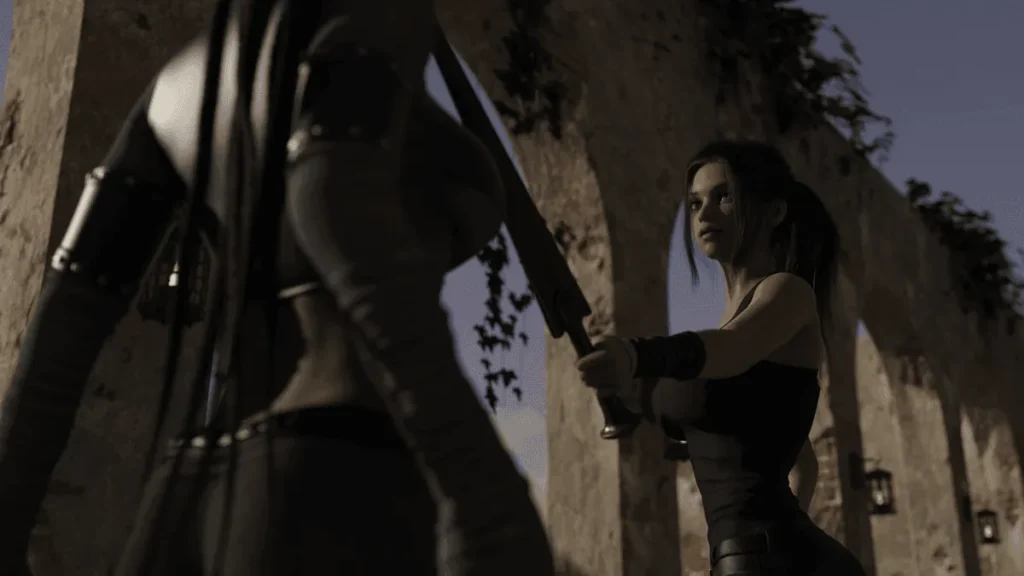
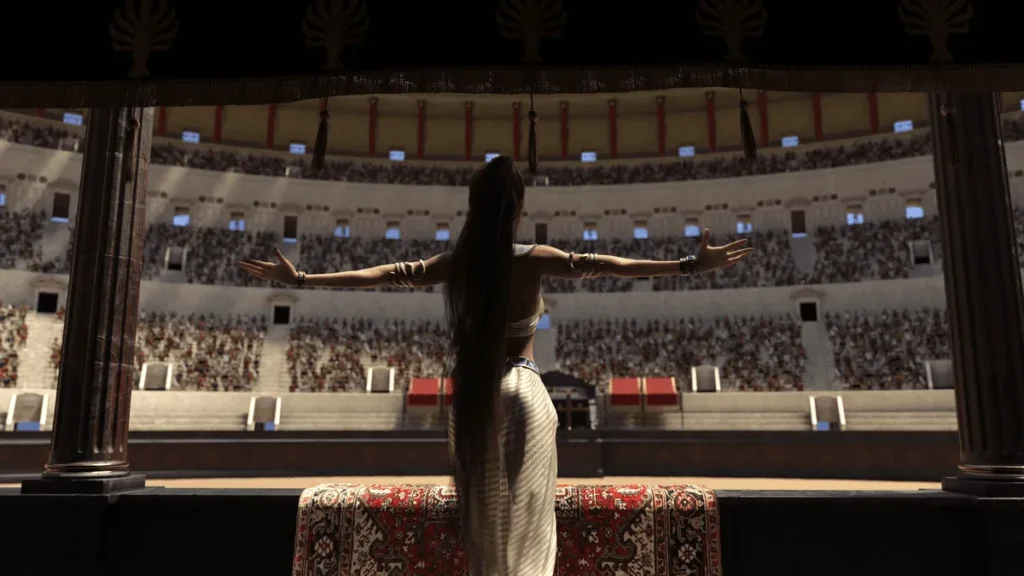
Desert Stalker Screenshots




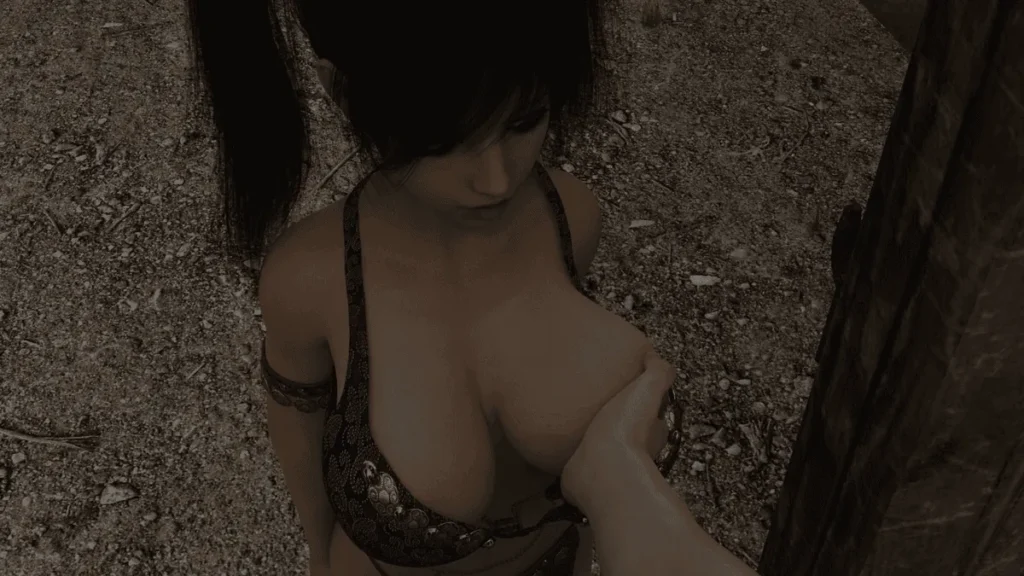
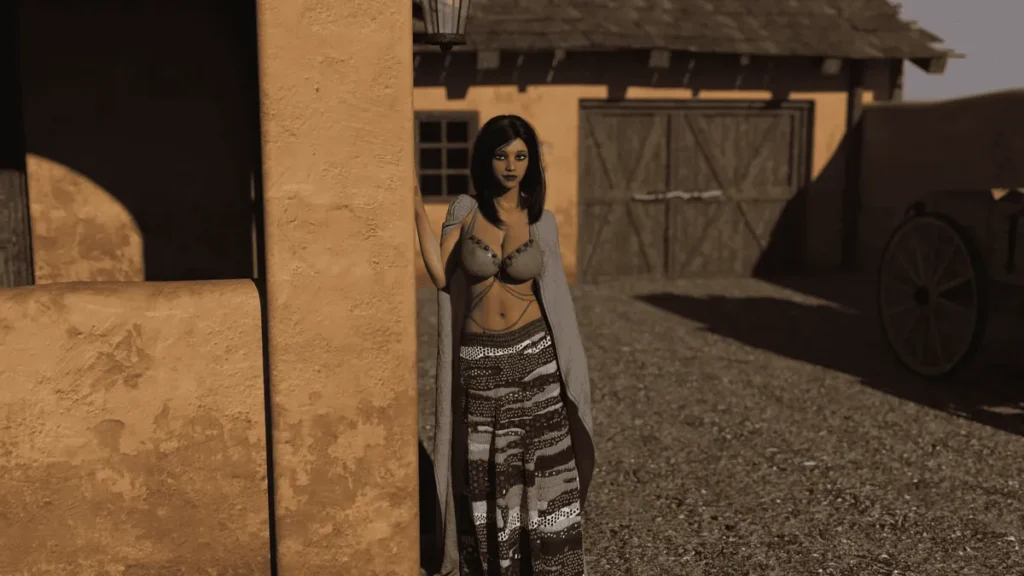

Desert Stalker review
Dive into gritty choices, harem building, and epic quests in this AVN gem
Imagine scavenging ancient ruins in a sun-baked post-apocalyptic Egypt, where every choice could build your harem or spark brutal conflicts—that’s Desert Stalker in a nutshell. As a seasoned stalker from Zeta City, you navigate zones teeming with raiders, mutants, and forbidden artifacts, blending gritty storytelling with steamy encounters. I first stumbled into this AVN during a late-night binge, hooked by its Fallout-inspired vibes and moral dilemmas that kept me replaying for hours. Whether you’re dominating the wasteland or forging tender bonds, Desert Stalker delivers immersive free-roam adventures. Stick around as I break down how to master this erotic dystopian world and uncover its deepest secrets.
What Makes Desert Stalker a Must-Play AVN?
I still remember the first time I booted up Desart Stalker. I was scrolling through a forum, burnt out on fantasy castles and college sims, when a screenshot caught my eye: a weathered, muscular figure standing against a sand-blown horizon, the crumbling silhouette of a pyramid in the distance. “A post-apocalyptic Egypt game?” I thought. “Now that’s different.” What I found wasn’t just a fresh coat of paint on an old formula. I was instantly plunged into a brutally immersive world of survival, morally complex choices, and a story that gripped me with the tension of a tightening scarab shell. Let me tell you why this Desert Stalker AVN became an instant favorite and why it deserves a spot on your must-play list.
Why the Post-Apocalyptic Egypt Setting Hooks You 🏜️⚰️
Forget the familiar grey ruins of a nuclear wasteland. Desert Stalker trades that for the sun-bleached bones of ancient Egypt. The genius of this post-apocalyptic Egypt game setting is how it layers its history. You’re not just navigating the wreckage of our modern world; you’re walking atop the ruins of a civilization that was already ancient millennia ago. This creates a stunning visual and narrative palette. One moment you’re scavenging a rusted-out pre-apocalypse bunker, the next you’re deciphering warnings carved in hieroglyphics on a tomb wall, hinting at dangers that have slept for ages.
You play as a Zeta City stalker, a citizen from one of the last bastions of old-world technology and order. Zeta is a place of rules, hierarchy, and relative safety, but it comes with a cost: control. As a Stalker, your job is to venture into the “Shallow,” the deadly deserts beyond the city walls, to hunt for precious artifacts, secure resources, and deal with threats. This premise—what is Desert Stalker at its core—is your ticket into a world teeming with danger and opportunity.
The factions you meet are a direct product of this unforgiving landscape. You have the desperate Raiders, mutated creatures twisted by the wastes, and the most intriguing of all: the Decadents. This faction, living in a retro-futuristic oasis of hedonism and bizarre social rules, provides a shocking contrast to the gritty survival outside its walls. The setting isn’t just a backdrop; it actively shapes every conflict, every alliance, and every desperate choice you have to make. It’s a world that feels truly lived-in and dangerously alive.
Core Gameplay: Choices, Quests, and Free Roam Freedom ⚖️🗺️
So, what is Desert Stalker like to actually play? It masterfully blends a strong, linear narrative with bursts of open-ended exploration. The heart of Desert Stalker gameplay is consequence. This isn’t about picking “good” or “evil” dialogue options. It’s about survival, dominance, protection, and desire—often all at once. Early on, you might encounter a group of Raiders harassing someone. Do you intervene with ruthless force, establishing yourself as a lethal power? Do you try to negotiate, risking your own safety for potential gain? Or do you walk away, conserving your energy for your own goals? Each path locks in a reputation and alters how characters perceive you, from fearful respect to contemptuous hatred.
These choices deeply affect your relationships. You can pursue a path of raw dominance, bending characters to your will through strength and intimidation. Alternatively, you can work to build trusting, even wholesome bonds, protecting those in your care. The game doesn’t judge you for either approach, making your role as the Zeta City stalker feel uniquely personal.
The structure alternates between intense, story-driven chapters and open Desert Stalker free roam segments. These free-roam periods are where the game shines. You’re let loose in a zone with a home base, a map, and a journal full of potential leads. You decide what to pursue:
- Main Questlines: Unravel the central mysteries, like a terrifying zombie-like threat awakening in the ruins or the escalating cold war between major factions.
- Side Quests & Harem Building: This is a major draw. Many quests involve helping, rescuing, or recruiting the compelling women you meet into your growing circle. It’s not just a checklist; each character has her own story, trauma, and needs that your choices directly impact.
- Faction Interactions: Your standing with groups like the Decadents or local settlements opens or closes doors, offering unique quests and rewards.
- Resource Management: Scavenging for parts, medicine, and rare artifacts is crucial for upgrades and survival.
This Desert Stalker gameplay loop is incredibly satisfying. You’re never just grinding for points; every trip into the sand has a purpose, driven by your own curiosity and goals. It’s a sandbox where your actions genuinely build the world around you.
Pro Tip: During your first Desert Stalker free roam session, don’t try to do everything at once. Pick one or two main story objectives and a single character quest to focus on. This keeps the narrative tight and prevents you from feeling overwhelmed by the freedom.
Tailoring Your Experience with Content Filters ⚙️❤️
One of the most thoughtful features in this Desert Stalker AVN is its comprehensive suite of AVN content filters. The developers understand that players have different preferences for tone and intensity, and they’ve built a way to customize the experience right from the main menu. This isn’t just an on/off switch; it’s a nuanced toolkit for shaping your story.
You can adjust filters for content like intense violence and specific relationship dynamics. The most discussed filter is likely the one affecting Shani, a key character, allowing you to choose the nature of your relationship path with her. This means two players can have dramatically different stories and emotional journeys based on their settings.
The beauty of these AVN content filters is that they let you define what kind of post-apocalyptic story you want to experience. Do you want a gritter, more morally ambiguous tale? Leave the settings on default. Prefer a story focused more on protection and building bonds in a broken world? Tweak the filters to match. It empowers you without diluting the game’s core narrative strength.
For a first playthrough, I strongly recommend starting with the default filter settings. This gives you the “author’s intent” version of the Desert Stalker gameplay, with all its sharp edges and emotional complexity. You can always adjust in subsequent playthroughs to explore different story branches and dynamics. It massively boosts replayability.
Here’s a quick reference for what the filters let you manage:
| Filter Category | What It Adjusts | Impact on Your Playthrough |
|---|---|---|
| Graphic Violence | The depiction of intense physical conflict and its aftermath. | Tones down the visceral grit for a focus on narrative and character tension. |
| Relationship Dynamics | Options for certain character interactions and power balances. | Can shift story paths toward more consensual or protective relationship builds. |
| Specific Character Paths | Alters available choices with key characters like Shani. | Customizes central emotional storylines to better fit your role-playing preference. |
This level of player agency is rare and deeply appreciated. It means that what is Desert Stalker to you can be uniquely tailored, making your journey as the Zeta City stalker truly your own.
Final Thoughts for New Stalkers: Pace yourself. This isn’t a game you rush. Savor the environmental storytelling in the ruined temples. Talk to everyone in your camp between missions. Let the consequences of your choices, big and small, really sink in. The Desert Stalker experience is rich because it commits to its world and its characters with stunning visuals, a gripping soundtrack, and writing that isn’t afraid to go to dark places to find moments of genuine light and connection.
“I went in expecting one thing and found a story that actually made me pause and think about my choices. The moment with the sister in the old bunker… I wasn’t prepared for how emotionally charged it would be. This game has heart underneath all the sand and steel.” – A common sentiment from the community.
Desert Stalker stands out in the AVN world with its rich post-apocalyptic lore, meaningful choices, and blend of grit and intimacy that keeps you coming back. From raider skirmishes to harem moments and faction intrigue, every playthrough feels personal and epic. I’ve sunk countless hours into different paths, and the emotional highs—like tense Shani zones or triumphant recruitments—make it unforgettable. Ready to stalk the dunes? Download the latest version, tweak those filters, and carve your legend in Zeta’s wastes. Your wasteland awaits—what path will you choose?