Fates Collide
Play Fates Collide
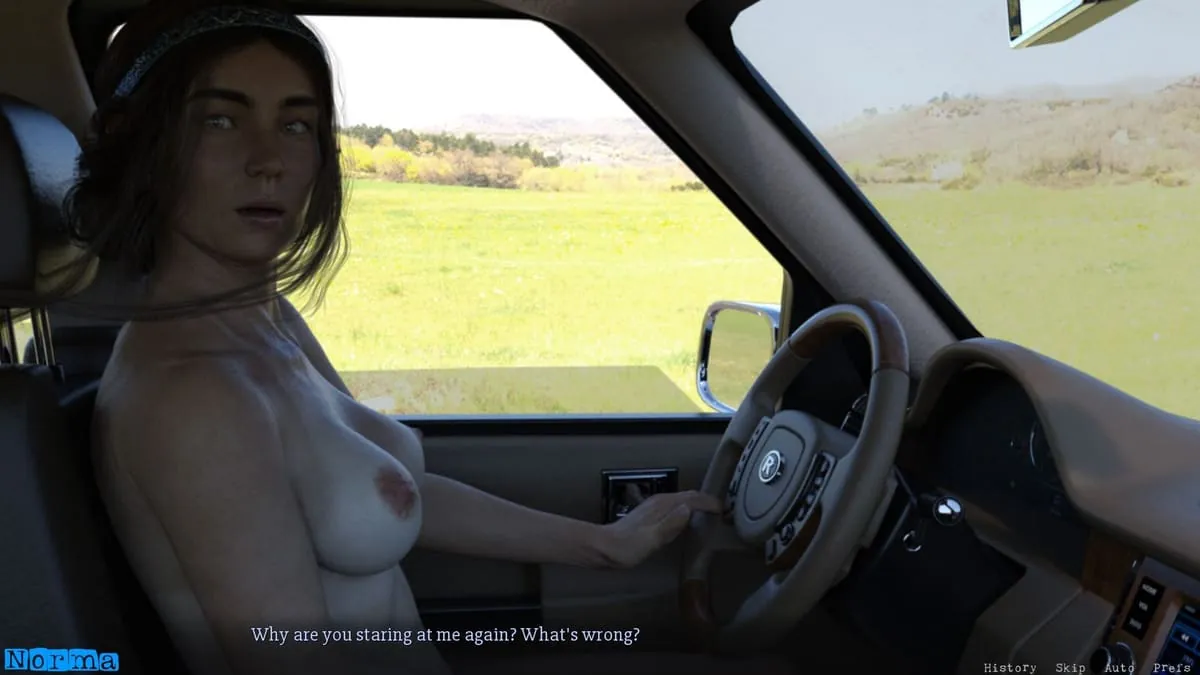
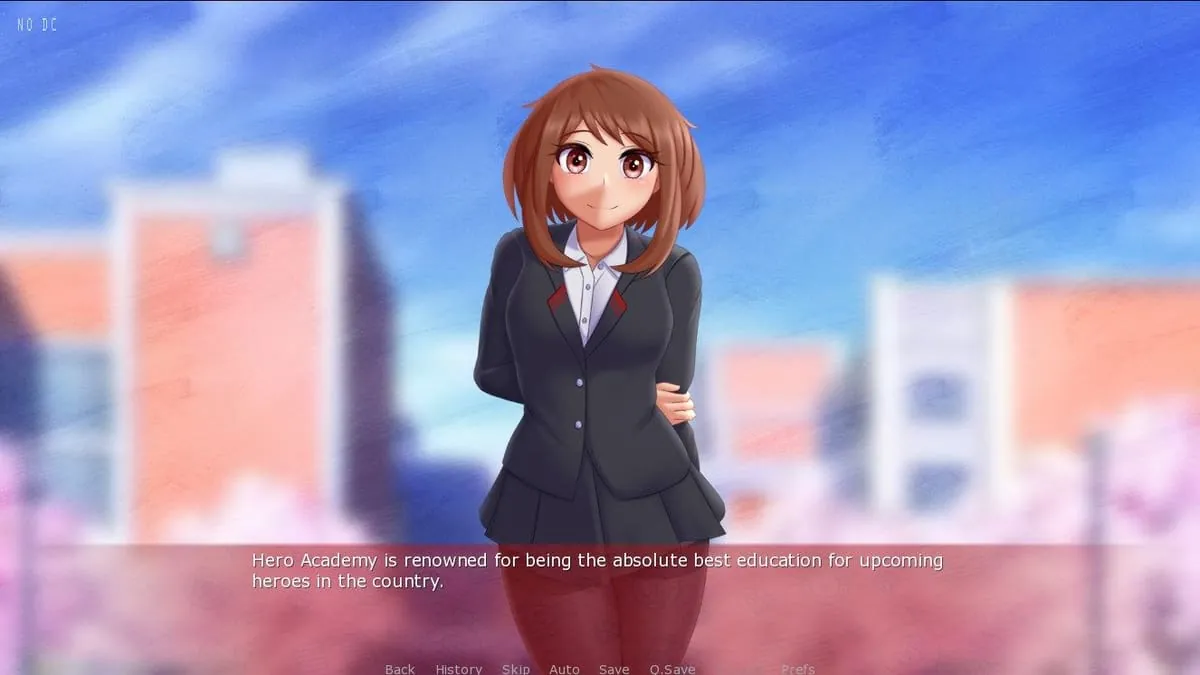
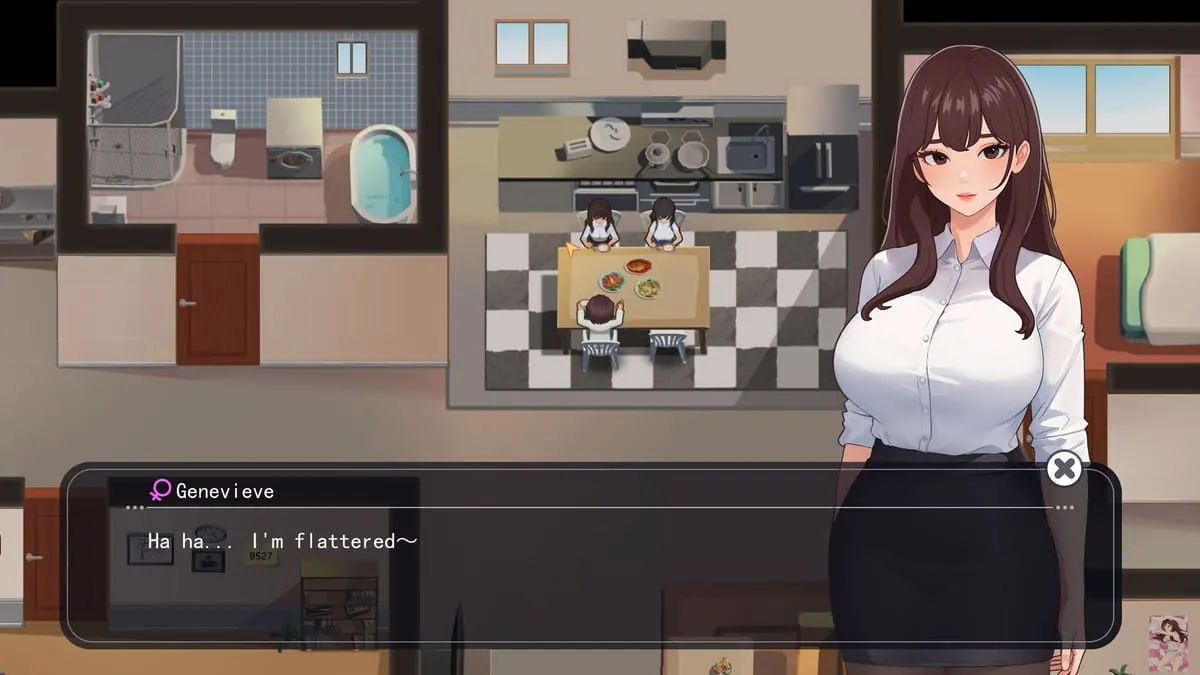
Fates Collide Screenshots







Fates Collide review
Explore the immersive dating simulation experience with choice-driven storytelling
Fates Collide stands out as a narrative-driven dating simulation that prioritizes character development and meaningful choices over superficial content. Developed by KatanaVN, this visual novel invites players into the life of a protagonist who has spent years moving between cities with his family, finally settling at Ardoria University. The game emphasizes emotional connection and relationship building through a choice-driven system where every decision shapes your campus experience. With stunning 3DCG animations and a focus on authentic storytelling, Fates Collide offers players the opportunity to forge genuine connections while navigating university life.
Understanding Fates Collide: Game Overview and Core Mechanics
Let’s be honest, the dating sim genre can sometimes feel… predictable. 🎭 You know the drill: you’re the charming new student, a roster of attractive characters instantly falls for you, and you bounce between them until you pick a favorite. It’s fun, but it can lack weight. If you’ve ever finished one of those games and thought, “But did I really know them?”, then Fates Collide is the game you’ve been waiting for.
This isn’t your typical romantic power fantasy. Instead, Fates Collide is a dating simulation visual novel built on a foundation of raw, relatable human experience. You step into the shoes of a protagonist whose life has been a blur of moving trucks and goodbyes. Stability isn’t just a desire for him; it’s a foreign concept he’s desperate to grasp. Arriving at Ardoria University isn’t about being the cool new kid—it’s about finally stopping, breathing, and wondering if he can even learn how to put down roots. This core longing shapes every interaction and makes the emotional connection in games it fosters feel genuinely earned, not just scripted.
What Makes Fates Collide Different From Other Dating Simulations
So, what sets this experience apart? At its heart, Fates Collide is a deliberate pivot from common genre tropes. It trades the fantasy of being universally adored for the more compelling reality of building something meaningful, one fragile connection at a time. 🏗️
The most significant departure is its stance as a non-harem dating sim. While the early episodes allow you to socialize widely and explore different dynamics, the narrative firmly guides you toward commitment. You can’t romance everyone simultaneously into a final episode. The game recognizes that real emotional investment requires focus, and your choices will gradually close off other paths, making your selected relationship feel exclusive and significant.
Furthermore, Fates Collide embraces a slower, more deliberate pace. The game spends considerable time letting you learn who these characters are as people—their hobbies, insecurities, senses of humor, and dreams—before introducing any mature content. This build-up isn’t a delay; it’s the whole point. The connection is prioritized above all else, making later moments feel like a natural progression of intimacy rather than a rewarded checkbox. It’s a game that believes the journey of falling for someone is just as important as the destination.
To see how these philosophies translate into concrete design choices, let’s look at how Fates Collide compares to more traditional titles in the genre.
| Feature | Traditional Harem Dating Sims | Fates Collide Game |
|---|---|---|
| Relationship Mechanics | Often allows pursuing multiple love interests concurrently until a final choice, minimizing consequences for “dating around.” | Early exploration is possible, but narrative branches force meaningful commitment to a single route, reflecting real-world relationship choices. |
| Pacing & Content Focus | Frequently accelerates romantic and physical milestones to cater to player expectation; character development can be secondary. | Employs a slow burn, prioritizing deep character development and emotional bonding. Adult content is a later, narrative-driven element. |
| Protagonist’s Role | The player is often a powerful, charismatic center of the universe to whom characters are inherently drawn. | The player is a relatable, scarred individual seeking stability. Connections are built on mutual vulnerability, not default appeal. |
| Primary Goal | To “win” a romance, often through stat management or correct dialogue trees. | To build a genuine, stable connection and experience a transformative character arc alongside a partner. |
This focus creates a different kind of satisfaction. I remember playing one early scene where my protagonist simply helped a love interest study in the library. There was no flirtatious dialogue option, just a choice to be patient and encouraging. That single decision unlocked a later, vulnerable conversation about their fear of failure that felt more intimate than any steamy scene I’ve skipped through in other games. That’s the power of this design.
Character-Driven Storytelling and Emotional Depth
If the mechanics are the skeleton, the character-driven storytelling is the beating heart of Fates Collide. Every character you meet at Ardoria University is running from something, dreaming of something, or healing from something. They aren’t just archetypes waiting for your affection; they are fully realized individuals with lives that continue outside your view. 👥
The protagonist’s background is the master key to this depth. His history of constant relocation means he’s expert at surface-level interactions—the friendly new guy who never stays long enough for things to get complicated. When he arrives at Ardoria University, he’s emotionally exhausted. This makes his journey our journey. We aren’t just choosing who to date; we are learning, through him, how to trust, how to be vulnerable, and how to fight the instinct to pull away before you get hurt. His desire for a genuine emotional connection in games becomes the player’s own quest.
The love interests are crafted with similar care. They aren’t defined by a single “quirk.” The seemingly confident film club president might be grappling with immense pressure to live up to a family legacy. The quiet bookworm in the library could be hiding a brilliant, creative mind afraid of criticism. Your role is to peel back these layers through consistent, caring interaction. The game’s writing shines in small moments—a shared joke, a comforting silence, a supportive gesture during a setback. These moments build a history between you, making the relationship feel authentic.
Tip: Pay close attention to the hobbies and interests characters mention in passing. Choosing to engage with those later (like asking about a book they recommended or a project they mentioned) often triggers unique, heartfelt scenes that deepen your bond more than any generic compliment ever could.
This approach means conflicts feel real, too. A misunderstanding isn’t just a temporary obstacle to your romance; it’s a test of the foundation you’ve built. Because you’ve invested time in understanding who they are, their reactions feel true to character, and resolving the issue provides a profound sense of growth for both of you. This is the essence of character-driven storytelling—the plot exists to serve the characters’ development, not the other way around.
How Choice-Based Gameplay Shapes Your Experience
The promise of choice-driven gameplay is everywhere in our medium, but Fates Collide delivers on it in a way that feels tangible and consequential. This isn’t an illusion of choice leading to the same handful of endings. Here, your decisions, big and small, actively sculpt the narrative landscape, the dynamics of your relationships, and even the protagonist’s own personality. 🌳
The system works on multiple levels. Major plot decisions are obvious branching points, but the true magic lies in the cumulative power of small, everyday choices. When you decide how to spend your Tuesday afternoon—do you join the film club, hit the gym, or retreat to the library?—you’re not just checking a box. You’re opening a unique branch of the story.
- Joining the Film Club doesn’t just add a location to your map. It introduces you to a specific social circle, unlocks dialogue options about cinema and storytelling, and creates opportunities for one-on-one time with characters affiliated with it. You might get pulled into helping on a student film, leading to chaotic, bonding-filled scenes you’d otherwise never see.
- Choosing the Library regularly might lead you to discover a love interest’s secret passion for poetry, unlock quiet study sessions that turn into deep conversations, or even influence the protagonist to adopt a more thoughtful, observant demeanor in other interactions.
These activity-based choices feed directly into dialogue trees. Options that appear are frequently gated behind your prior experiences and knowledge. A comment you overhear in the film club might give you a unique, understanding response to console a character later, strengthening your bond. Missing that activity means that empathetic pathway remains closed, potentially altering the tone of that crucial conversation.
| Your Choice | Immediate Result | Long-Term Narrative Consequence |
|---|---|---|
| Volunteer to help a character with a personal project. | A unique, multi-part scene showcasing their passion and your teamwork. | Unlocks a layer of vulnerability in future dialogues; they see you as a true partner, not just a love interest. |
| Prioritize academic support over attending a social event. | Short-term disappointment from some characters, approval from others. | Solidifies your reputation as responsible, potentially influencing which characters feel naturally drawn to you and altering available subplots. |
| Share a personal fear about your transient past with someone. | A moment of quiet intimacy and understanding. | Fundamentally shifts the emotional tenor of that route. They will reference this vulnerability later, and your relationship is now built on a foundation of shared honesty. |
This choice-driven gameplay creates a powerful sense of ownership. Your version of the protagonist at Ardoria University might be a thoughtful cinephile who bonds over shared artistic struggles, while mine might be a gym regular who connects through mutual support in personal goals. The core narrative of seeking stability remains, but the path you walk is distinctly yours.
Ultimately, Fates Collide is more than a game about finding love; it’s a game about finding yourself in the quiet spaces between the dialogue options. It asks you to invest not just your time, but your empathy. By focusing on emotional connection in games, committing to its non-harem dating sim structure, and trusting in its slow-burn, character-driven storytelling, it forges an experience that lingers long after you’ve seen the credits. It proves that in the world of dating simulation visual novels, the most compelling fantasy isn’t about being loved by everyone—it’s about building a single, real connection that makes you feel truly, finally, at home. 🏠
Fates Collide represents a thoughtful approach to the dating simulation genre, prioritizing genuine character development and meaningful storytelling alongside visual excellence. The game’s choice-driven mechanics ensure that player decisions genuinely impact the narrative experience, encouraging multiple playthroughs to discover different character perspectives and story outcomes. With its focus on emotional connection, relatable protagonist, and commitment to building authentic relationships before introducing intimate content, Fates Collide appeals to players seeking depth and substance in their gaming experience. Whether you’re drawn to the compelling character arcs, the immersive Ardoria University setting, or the stunning 3DCG animations, this visual novel offers a unique experience that respects player intelligence and emotional investment. As the game continues to receive updates and expand its content, it stands as a compelling example of how adult games can deliver meaningful narratives alongside engaging gameplay mechanics.