How to Fix the Future
Play How to Fix the Future
How to Fix the Future Screenshots

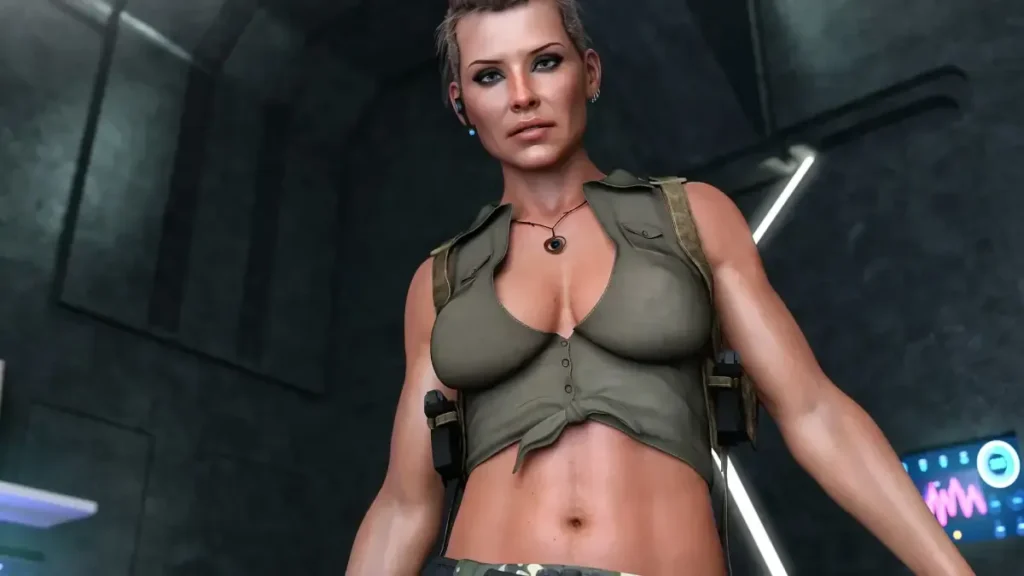






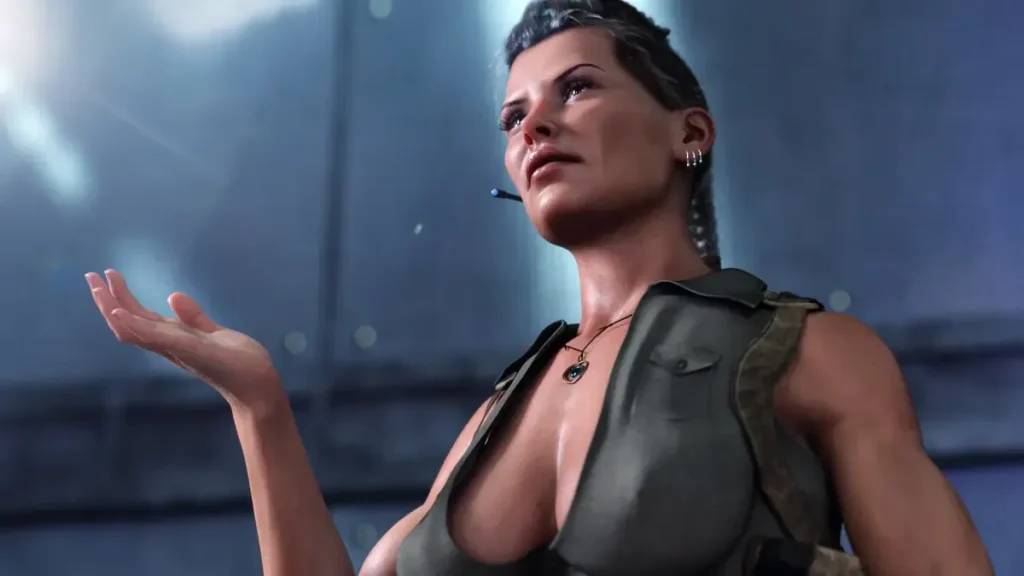





How to Fix the Future review
Explore Gameplay, Story, and Strategies for How to Fix the Future Visual Novel
How to Fix the Future is a unique visual novel game that combines a gripping narrative with immersive gameplay elements. This guide dives deep into the game’s storyline, characters, and mechanics, offering practical advice and personal insights to help players fully enjoy and master the experience. Whether you’re new or looking to enhance your playthrough, this article covers everything you need to know about How to Fix the Future.
Understanding How to Fix the Future: Story and Setting
Ever found yourself staring at a screen, completely lost in a world that feels both terrifyingly real and utterly captivating? That was me, about three hours into How to Fix the Future. I’d picked it up on a whim, expecting a neat little sci-fi tale, but what I got was a dystopian visual novel that gripped me by the heart and refused to let go. It’s more than a game; it’s an experience that makes you question the very fabric of society and your place within it. If you’re ready to dive deep into a story where every click carries weight, you’re in the right place. Let’s unpack the world, the people, and the powerful How to Fix the Future narrative that makes this interactive story game so unforgettable. 🚀
What is How to Fix the Future About?
At its core, How to Fix the Future presents a chillingly plausible vision of tomorrow. The How to Fix the Future story is set in a sprawling, hyper-connected metropolis named Aethelburg, where corporate entities have more power than governments, and every citizen’s life is a data point to be optimized. You don’t play as a superhero or a soldier; you play as a Resolver—a kind of high-stakes, freelance troubleshooter hired to “fix” societal glitches the system itself creates. Your job? To navigate a series of interconnected crises, from rogue AI and ecological collapse to civil unrest, and decide what “fixing” truly means. Is it applying a quick, corporate-approved patch, or digging for the root cause, no matter how dangerous? 🤔
A quick How to Fix the Future plot summary: The game begins with your character, an ambitious but disillusioned Resolver, taking on a seemingly standard job that quickly spirals into a conspiracy threatening the city’s fragile existence. You’ll uncover layers of deception, forge uneasy alliances, and make choices that ripple out in unexpected ways. The brilliance of this dystopian visual novel isn’t just in its bleak setting, but in how it makes you feel the stakes. I remember one late-night session where I had to choose between exposing a truth that would cause immediate, violent chaos or burying it to maintain a fragile, unjust peace. I sat there for a full ten minutes, just thinking. That’s the power of its storytelling. It’s not about good versus evil; it’s about survival, morality, and the cost of progress.
Key Characters and Their Roles
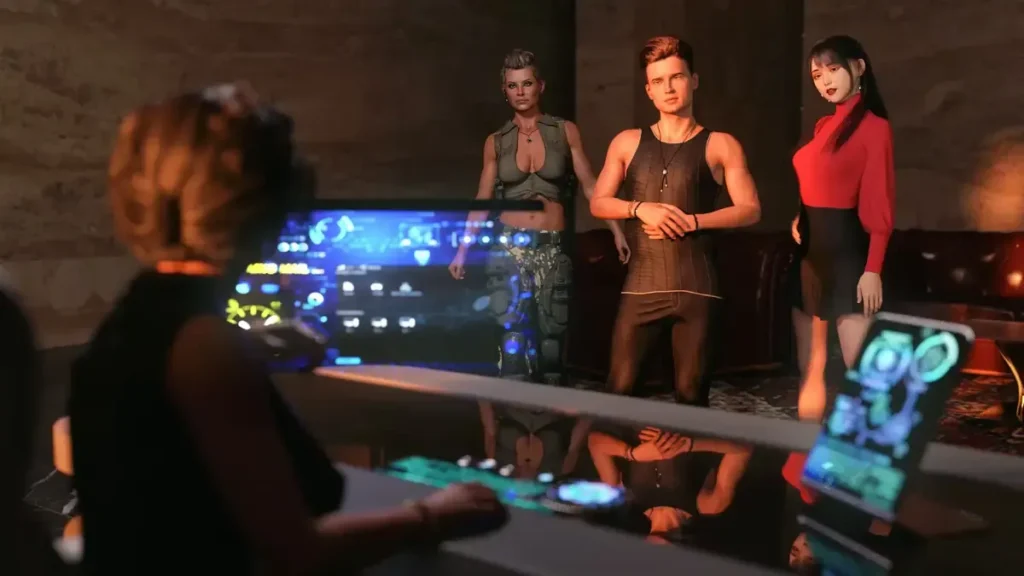
The soul of any great story lives in its characters, and How to Fix the Future characters are some of the most nuanced I’ve encountered in the genre. They’re not just archetypes; they’re flawed, desperate people trying to survive the world they’ve built. Your interactions with them form the emotional backbone of the entire journey.
Let me tell you about Kairo, the enigmatic hacker who becomes one of your first contacts. Initially, I saw him as just a useful source of illegal data taps. But through conversations and key choices, I learned about his past—a sister lost to a “system efficiency” program—which transformed him from a tool in my inventory into a person whose pain I was deeply invested in. This is where the player choices impact shines. Being empathetic and offering to help find closure for his sister’s case unlocked entire story branches and changed how he supported me in the final act.
To help you keep track of the pivotal figures you’ll meet, here’s a breakdown of the key How to Fix the Future characters:
| Character | Role & Description | Significance to the Plot |
|---|---|---|
| The Resolver (You) | A freelance problem-solver in Aethelburg. Your personality and morals are shaped by your decisions. | You are the central lens through which the story unfolds. Your choices define the city’s fate. |
| Director Elise Vance | A high-ranking executive at the omnipresent OmniCorp. Charismatic, pragmatic, and fiercely protective of “The System.” | Represents the establishment. She offers you lucrative, “clean” solutions that often ignore human cost. |
| Kairo | A genius underground hacker with a deep grudge against the city’s power structures. Cynical but secretly idealistic. | Your primary link to the underworld and truth. He provides the tools and information to pursue radical change. |
| Dr. Aris Thorne | A former OmniCorp scientist now leading an eco-terrorist cell called “The Verdant Pulse.” Passionate and ruthless. | Embodies the extreme opposition to corporate control. Forces you to consider if violence is justified for the planet’s survival. |
| Sergeant Malin | A weary but honest officer in the City Peacekeeping Force, caught between duty and conscience. | Represents the possibility of reform from within the system. Your relationship with her can alter law enforcement’s role in the climax. |
Engaging with these characters isn’t just about advancing the plot. Listening to their stories, challenging their views, or earning their trust is the game. The depth of the How to Fix the Future story comes from these relationships, making every interaction feel consequential. 💬
The Game’s Unique Narrative Style
So, what makes the How to Fix the Future narrative so special? It masterfully blends traditional visual novel storytelling with a dynamic choice system that makes you feel truly responsible. This isn’t an illusion of choice; the branches here are wide and meaningful. The game tracks more than just major decisions—it remembers your tone, your promises, and even your minor kindnesses or insults.
The How to Fix the Future narrative structure is like a spider web. An early, seemingly insignificant choice, like helping a minor NPC recover stolen data, might lead to them providing you with a crucial access code hours later when you’re trapped. I learned this the hard way! On my first playthrough, I was impatient and brushed off several “side” characters. In the finale, I found myself without allies in a critical moment, facing a much darker set of options. It was a brutal lesson in how this interactive story game respects your agency, for better or worse.
This profound player choices impact is visible in the game’s multiple endings. We’re not just talking about a “good,” “bad,” and “neutral” end. There are nuanced conclusions that reflect the specific philosophy you’ve championed throughout: a corporate-controlled utopia, a chaotic but free revolution, a carefully negotiated reform, or even a solitary escape from the city altogether. Your ending feels earned, a direct result of the Resolver you chose to become.
Pro Tip: Don’t reload saves immediately after a “bad” outcome! Some of the most powerful and revealing story moments come from sitting with the consequences of a difficult choice. The game is designed to be replayed, and seeing how a different path unfolds is part of the richness.
Ultimately, How to Fix the Future succeeds because it trusts you with its world. The dystopian visual novel format is the perfect vehicle for this, using evocative art and a gripping soundtrack to immerse you completely. It tells a compelling How to Fix the Future story through its characters, but it lets you write it with your decisions. It’s a journey that stays with you, prompting reflection long after you’ve put it down. If you’re looking for a game where your mind and morals are your primary weapons, this is your next unforgettable adventure. 🌆
How to Fix the Future offers a compelling blend of storytelling and gameplay that challenges players to think critically about their choices and the consequences they bring. By understanding the story and characters, players can fully immerse themselves in this unique visual novel experience. Dive in, explore the narrative paths, and discover how your decisions shape the future within the game.