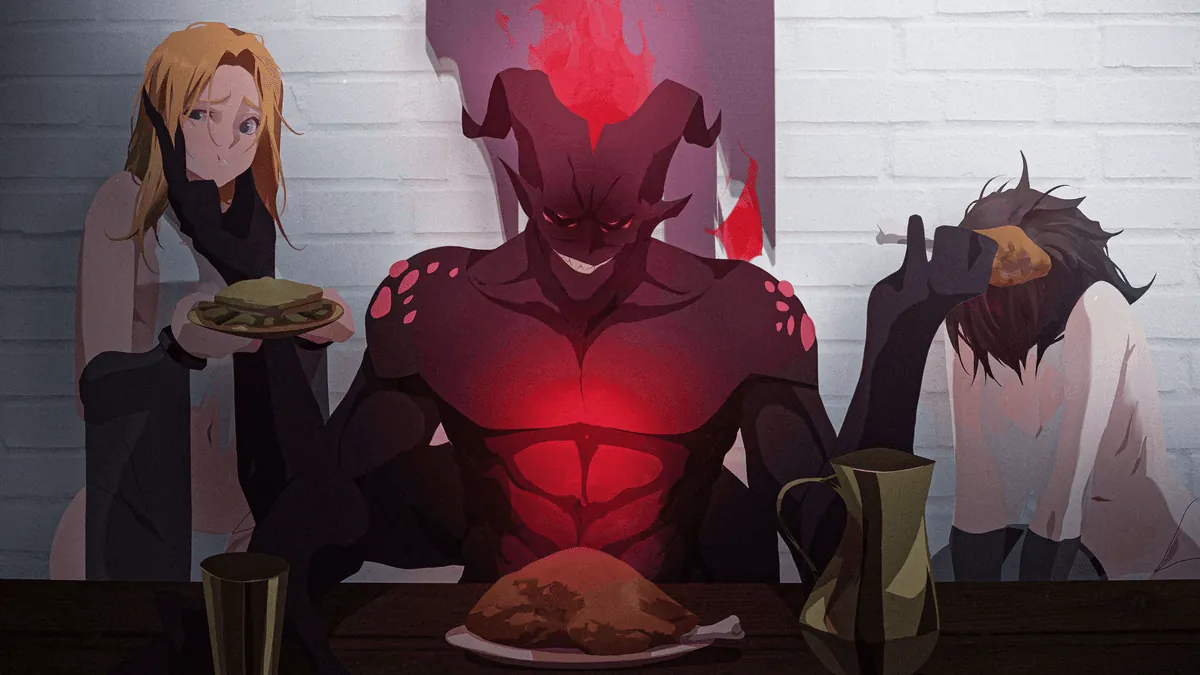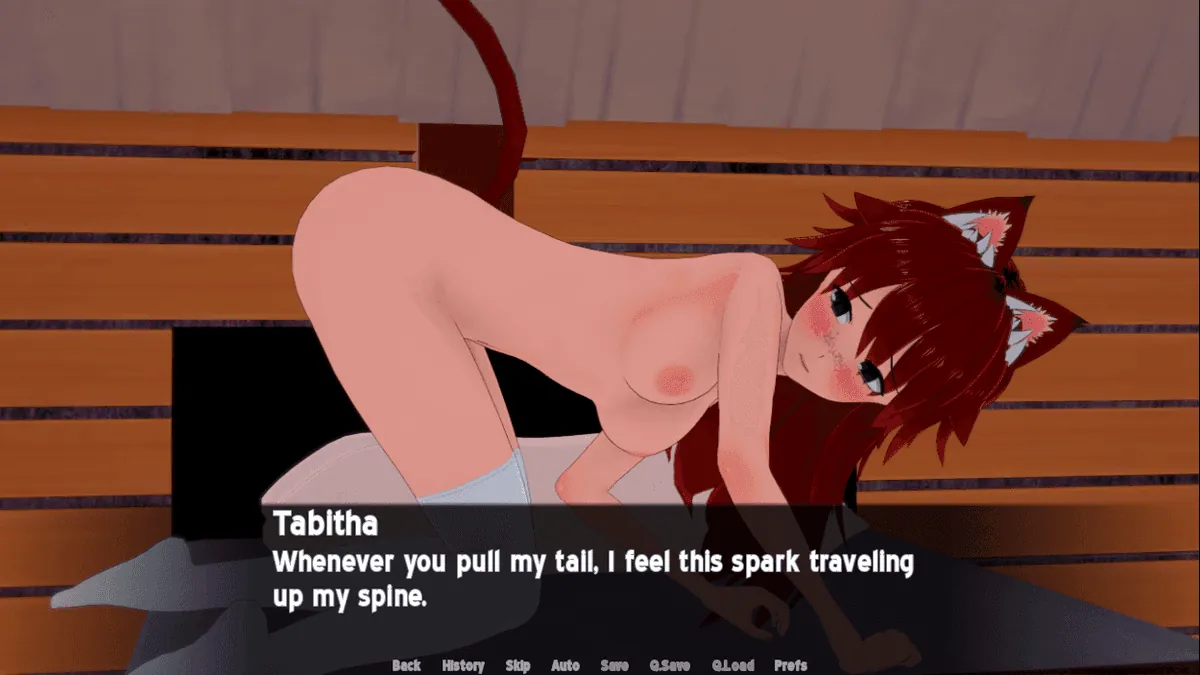
Leaving DNA
Play Leaving DNA
Leaving DNA Screenshots
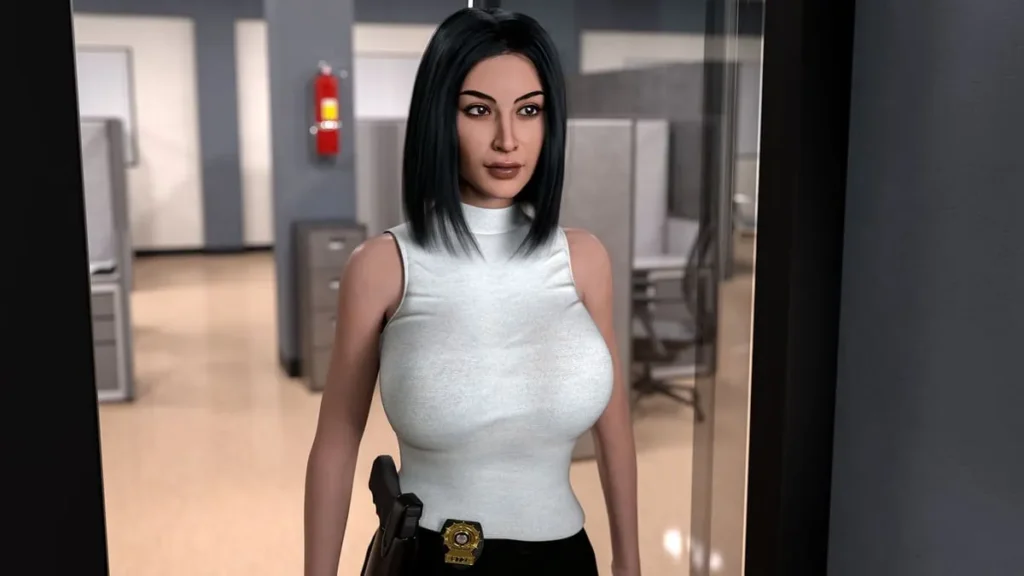



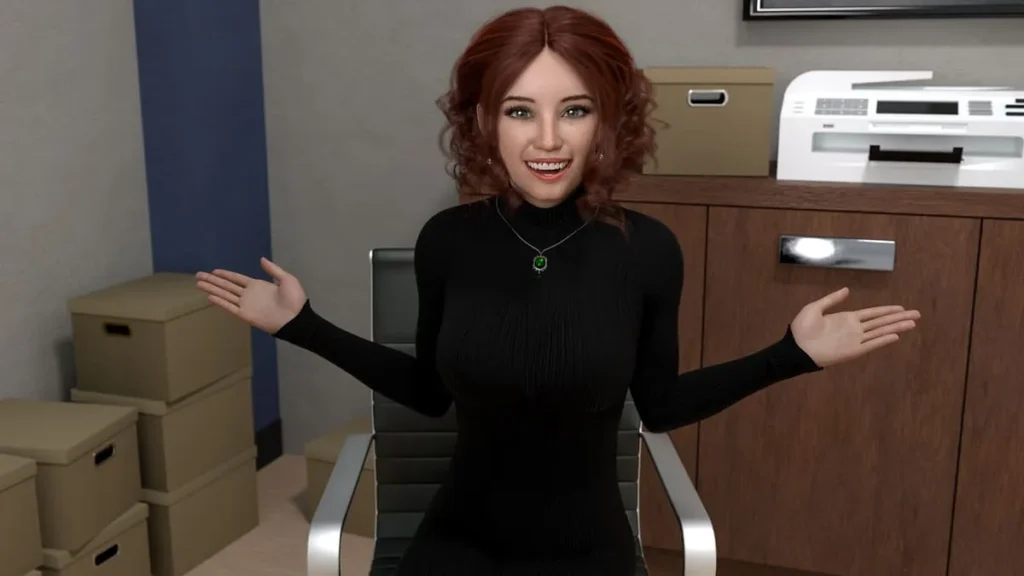







Leaving DNA review
A player-focused look at Leaving DNA, its narrative, decisions, and adult themes
Leaving DNA is a narrative-driven adult game that blends slow-burn storytelling with explicit scenes, character development, and meaningful player decisions. In this guide, I’ll walk through how Leaving DNA plays, what makes its story and characters stand out, and what kind of adult content you can realistically expect. I’ll also share first-hand style impressions, including what I liked, what felt underwhelming, and who I think this game is really for. If you’ve seen Leaving DNA mentioned on community forums and wondered whether it deserves a spot in your library, this breakdown will help you decide.
What Is Leaving DNA and Who Is It For?
So you’ve heard the buzz about Leaving DNA, maybe seen some captivating art, and now you’re wondering: what is this game actually like? 🤔 If you’re picturing a quick, straightforward experience, you might be in for a surprise. At its heart, Leaving DNA is a narrative-first visual novel where the story isn’t just a backdrop—it’s the main event. This isn’t a clip collection; it’s a full-fledged, character-driven drama where adult moments are a part of the journey, not the sole destination.
I’ll be honest—when I first booted it up, I had certain expectations. I was ready for a certain pace, a certain rhythm. What I found instead was a deeply woven tale that asked for my patience and rewarded it with genuine emotional investment. This chapter is your honest guide to what the Leaving DNA game truly is and, more importantly, who will click with its unique wavelength.
Core Concept and Setting of Leaving DNA
Let’s strip it back to basics. Leaving DNA is a story driven adult game built in the classic visual novel format. You play from a first-person perspective, immersing yourself in a modern, slightly stylized world. Without giving away spoilers, the setup revolves around your character’s life intersecting with a compelling cast, each carrying their own histories, secrets, and emotional baggage. The “DNA” in the title is more than just a biological reference; it speaks to legacy, connection, and the indelible marks people leave on each other.
The core gameplay loop is familiar to visual novel fans but executed with a deliberate focus on depth:
* Reading: You’ll spend most of your time absorbing the story. The writing is descriptive and aims to build atmosphere and interiority for your character and the people you meet.
* Choosing: Dialogue and behavioral options appear regularly. These aren’t always about being “nice” or “mean”; they’re about shaping your persona and steering relationships in subtle, sometimes significant, ways.
* Managing: Your choices influence your relationships with key characters, unlocking different story branches and, eventually, distinct romantic or intimate routes.
Here’s the crucial part to understand: Leaving DNA is a champion of the slow burn. The early chapters are heavily focused on worldbuilding and character backgrounds. You’ll have conversations that seem mundane on the surface but are laced with subtext, you’ll learn about past traumas and current dreams, and you’ll feel the tension simmer long before anything boils over. This means that explicit content is front-and-center much less frequently than in many other adult titles. For some players, this pacing is a revelation—the story earns its moments. For others, used to a different rhythm, it can feel like a deliberate narrative choice that requires adjustment.
Think of it like this: If some adult games are pop songs with an immediate hook, Leaving DNA is an album track that builds to a crescendo. You need to listen to the whole thing for it to truly hit home. 🎵
How Leaving DNA Compares to Other Adult Visual Novels
This is where many players form their strongest opinions. On forums and community hubs, you’ll see a clear divide. Some players jokingly call the early episodes a “bedtime story,” longing for faster plot or more frequent adult scenes. Others, like myself, have come to appreciate this approach deeply. Why? Because when the story does pivot toward romance or intimacy, it feels consequential. The emotional stakes have been carefully laid, making those moments a payoff for narrative investment, not just a routine reward.
So, how does this Leaving DNA visual novel stack up against other story-heavy titles in the space? It sits firmly in the camp that prioritizes long-form storytelling and character arcs above all else. The dialogue isn’t just functional; it aims to reveal personality and drive conflict. The “slow burn” isn’t an accident—it’s the core design philosophy. The game trusts that you’re there for the people as much as, or even more than, for the scenes.
To give you a clearer picture, let’s look at a high-level comparison. This isn’t about saying one is better, but about highlighting stylistic differences so you can find your fit.
| Game | Pacing & Focus | Choice Impact | Overall Vibe |
|---|---|---|---|
| Leaving DNA | Deliberate slow burn. Heavy emphasis on emotional backstory and tension before explicit content. Early episodes are largely scene-setting. | High. Choices shape long-term relationship dynamics and unlock entirely different romantic paths and story outcomes. | An interactive romantic drama novel where adult scenes are narrative climaxes. |
| Example Story-Focused Title A | Moderate pace. Blends story development and explicit content more evenly throughout, often using scenes as direct plot milestones. | Moderate to High. Choices affect relationships and story direction, but critical path may be more linear. | A cinematic story with integrated adult moments as key plot points. |
| Example Story-Focused Title B | Variable pace, often player-driven. Might offer more immediate options for intimacy but with lighter initial story scaffolding. | Moderate. Choices often determine which character’s route you enter and the tone of scenes, with branching endings. | A character-focused dating-sim style experience with strong narrative routes. |
The key takeaway? If you’re asking “is Leaving DNA worth playing?” and you value a rich, gradual narrative, the answer leans strongly yes. If your primary goal is immediate, frequent adult content with minimal reading, you might find the pacing tests your patience. This adult game Leaving DNA is for a specific kind of reader.
Who Will Actually Enjoy Leaving DNA?
Figuring out who is Leaving DNA for is the most important question this guide can answer. Based on my time with it and the chatter in its community, here’s the ideal player profile. See how many boxes you tick! ✅
You will likely love Leaving DNA if you:
* Read visual novels for the story. You get excited about well-developed characters, internal monologues, and plot twists.
* Believe choices should matter. You love replaying to see how a different dialogue option in Chapter 1 alters a conversation in Chapter 4.
* Enjoy multiple routes with different tones. You like the idea of pursuing a sweet, romantic path with one character and a more complex, dramatic entanglement with another.
* Appreciate emotional build-up. You think that will-they-won’t-they tension and meaningful glances can be as engaging as any explicit scene.
* Are patient. You understand that in a long-form story, the foundation needs to be poured before the house is built.
Managing your expectations is key. The most satisfying way to approach Leaving DNA is to want an interactive story first and an adult game second. When I shifted my own mindset to this, the entire experience clicked. The slower chapters became fascinating character studies, and the relationship milestones felt genuinely earned. I stopped clicking through text waiting for “the good part” and started being fully present in every conversation.
Practical advice? Don’t just take my word for it.
1. Seek out community feedback. Read player reviews that talk about the pacing and writing.
2. Try a demo or early build if available. Nothing answers “is Leaving DNA worth playing for me?” better than hands-on experience. The first hour will give you a perfect feel for the game’s narrative style and pace.
3. Commit to the first few chapters. If you’re on the fence after the intro, give it a bit more time to let the story hooks set.
Let me leave you with a small, non-graphic anecdote from my own early playthrough that captures the Leaving DNA experience:
I was in a late-night conversation with one of the main characters, let’s call them Alex. We were just talking about past failures—nothing flashy. The game presented me with three choices: a self-deprecating joke, a bluntly honest admission of fear, or a change of subject. I chose the honest admission. My character shared a vulnerable memory I didn’t even know they had. Alex’s response softened; their usual defensive posture dropped for a moment. The music cue shifted slightly. No scene was unlocked, no milestone reached. But the temperature of our entire relationship changed. I felt like I’d genuinely connected, not just advanced a meter. That’s the magic this game is chasing.
If that snippet of gameplay sounds intriguing to you—if you like the idea of your choices shaping emotional landscapes in subtle, meaningful ways—then Leaving DNA might just be your next favorite story. It’s a slow burn romance and drama that asks for your time and attention, and for the right player, it repays that investment tenfold. 🎭
Leaving DNA is best approached as a story-first, choice-driven experience that happens to include explicit content rather than the other way around. Its slow-burn pacing, focus on dialogue, and emphasis on character arcs make it appealing if you enjoy reading, making deliberate choices, and watching relationships gradually evolve over time. The same qualities may feel too patient or restrained if you are looking for immediate, constant explicit scenes with minimal plot. If the idea of settling in with a long-form visual novel, following branching routes, and seeing how your decisions affect both romance and tension sounds appealing, Leaving DNA is worth giving a chance. Consider starting with an early build or demo, reading a bit of community feedback, and then deciding whether this particular blend of narrative depth and adult themes aligns with how you like to spend your gaming time.