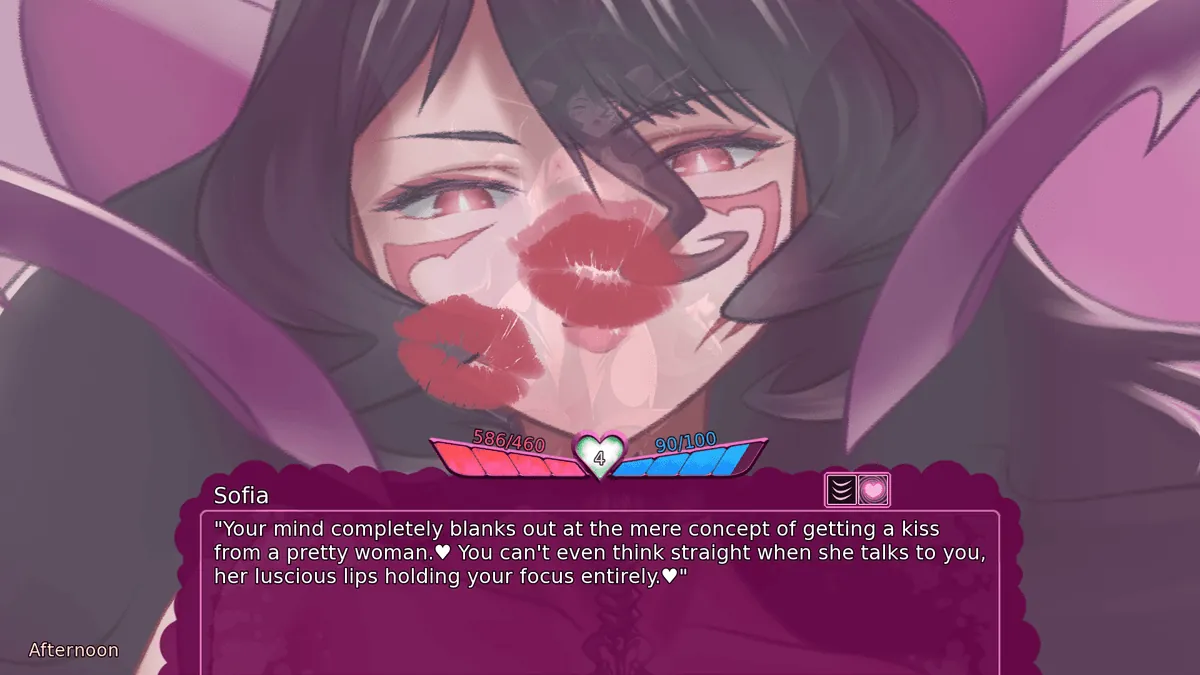
Play Lust Theory Season 2
Lust Theory Season 2 Screenshots









Lust Theory Season 2 review
Explore gameplay mechanics, hidden events, and everything you need to know about this adult visual novel
Lust Theory Season 2 is an adult visual novel that continues the story of a protagonist caught in a repeating day filled with mystery, romance, and unexpected twists. Released in January 2023 by Inceton Games, this sequel expands on the original with over 44,500 images, 1,000+ animations, and full voice-over support for female characters. The game combines free-roam exploration, time-cycle mechanics, and choice-based storytelling to create an immersive experience. Whether you’re new to the series or returning for Season 2, understanding the game’s core mechanics, hidden events, and progression systems will enhance your gameplay experience significantly.
Gameplay Mechanics and Core Features
Diving into Lust Theory Season 2 can feel a bit overwhelming at first, trust me. I remember booting it up, excited for more story, only to be momentarily frozen by the sheer number of locations to click and characters to talk to. It’s not just a simple click-through story; it’s a living, breathing world where your curiosity is the main tool. But here’s the secret I learned after my first few (dozen) repeated days: once you grasp the core Lust Theory Season 2 gameplay mechanics, it transforms from a confusing web into an incredibly satisfying puzzle. This chapter is your map. We’re going to break down exactly how the game works, from its clever time loop to the way your smallest choice can rewrite an entire relationship. Think of this as your personal guide to mastering the cycle. 🕰️🎮
Understanding the Time Cycle and Day Repetition System
At the very heart of the Lust Theory Season 2 gameplay mechanics is its brilliant, foundational structure: the time cycle visual novel concept. You aren’t just playing through a linear day. You’re trapped in it, Groundhog Day-style, and this repetition is your greatest asset. The day is divided into clear segments—Morning, Afternoon, Evening, and Night. Each period is a contained block of time where certain locations are available, specific characters have routines, and key story events are poised to happen.
At first, this feels restrictive. “I have to be where at what time?” But that’s the magic. This structure forces you to strategize. Maybe on one loop, you spend the morning with one character to unlock a new dialogue path. On the next reset, you use that knowledge to be at the right place in the afternoon to intercept another character, triggering a hidden event you previously missed. The game’s built-in Hint System (that little lightbulb icon on your screen) is your best friend here. It doesn’t spell everything out, but it gently nudges you toward objectives and reminds you of loose ends you’ve discovered.
The genius of this time cycle visual novel approach is how it turns exploration into a process of elimination and discovery. You learn patterns. You remember that Emma is always at the café in the afternoon, or that the library has a certain book only available in the morning. This mechanic is the engine that drives the entire branching storyline mechanics. Without the ability to reset and try different approaches, those branches would be inaccessible. It empowers you to chase every lead, test every choice, and see how the intricate web of events connects.
To help visualize how your day is structured, here’s a breakdown of what each time period typically offers:
| Time Period | Primary Focus | Key Activities & Interactions |
|---|---|---|
| 🌅 Morning | Foundation & Discovery | Starting daily routines, gathering initial information, unlocking new locations or dialogue options for later use. |
| ☀️ Afternoon | Development & Socializing | Deepening conversations, pursuing specific character storylines, triggering major plot-centric events. |
| 🌆 Evening | Resolution & Intimacy | Concluding day’s story arcs, accessing more private character moments, leading towards pivotal choices. |
| 🌙 Night | Reflection & Special Events | Limited, often special interactions, final private encounters, and moments that typically signal a major story branch point. |
💡 Pro Tip: Don’t try to do everything in one cycle! Use your first few repeats purely for reconnaissance. Talk to everyone, go everywhere, and take mental notes. The real progress begins when you start using the loop intentionally.
Free Roam Exploration and Interactive Elements
This is where Lust Theory Season 2 truly shines as a free roam adult game. Unlike more rigid visual novels, you’re given a point-and-click interface over detailed environments. Your cursor is your key. Every location, from the bustling campus to a character’s private bedroom, is filled with interactive elements. Some are obvious, like a character you can click to speak with. Others are hidden sparks that can ignite entirely new story paths.
I’ll share a personal “aha!” moment. I was stuck on a side story for days. The hint system just said “Learn more about Anna’s past.” I’d talked to her repeatedly with no luck. Out of frustration, I started clicking on everything in her apartment during an evening visit—the bookshelf, a framed photo, a peculiar necklace on her dresser. Bingo. The necklace was interactive. Clicking it unlocked a tender, vulnerable conversation that never would have triggered through standard dialogue. That’s the soul of the free roam adult game experience. The environment isn’t just a backdrop; it’s a narrative tool.
This philosophy of exploration feeds directly into the interactive scenes gameplay. Progress isn’t just about making the right dialogue choice in a list. It’s about discovering the right item, being at the right place after gathering the right information. The game respects your agency, creating a wonderful sense of accomplishment when you piece together a clue yourself.
The core gameplay loop of exploration is built on several key features:
- Clickable Hotspots: 🖱️ Scenes are littered with objects, documents, and environmental details that provide lore, hints, or essential items. Always be clicking!
- Character Schedules: 👣 Characters move based on the time cycle. Learning where they are and when is crucial for advancing their individual stories.
- Hidden Triggers: 🔍 Many events require a specific sequence of actions or possession of a certain item before they become available. This rewards thorough exploration.
- The Map & Fast Travel: 🗺️ Once visited, locations can be jumped to instantly, making it easy to optimize your repeated days and test theories efficiently.
Remember, in this free roam adult game, patience and curiosity are your primary stats. If you feel stuck, revisit old locations with new knowledge. Something that was just set dressing before might now glow with a new interactive prompt.
Relationship Building and Choice-Based Outcomes
If the time cycle is the engine and free roam is the world, then the relationship system visual novel is the beating heart of Lust Theory Season 2. Every interaction, every dialogue choice, and every discovered secret feeds into intricate relationship meters with the main characters. This isn’t a simple “nice” or “flirty” meter; it’s a complex web of trust, affection, rivalry, and personal secrets that the game tracks behind the scenes.
The choice-based storytelling here is exceptionally potent. Early on, I made what I thought was a minor, joking remark to one character. It seemed harmless. Several loops later, I found a major story branch completely locked off because that offhand comment had eroded just enough trust. The game remembers. Your choices carry weight across resets, building a unique profile for your playthrough. This creates a profoundly personal experience, as your story diverges significantly from someone else’s based on your conversational style and priorities.
This all culminates in the game’s famed branching storyline mechanics. We’re not talking about a “good” and “bad” ending. We’re talking about a cascade of possibilities for each character and the overall plot. Will you help one character reconcile with her family, or will you encourage her independence, potentially straining her other relationships? The path you forge with one person actively opens or closes doors with others. It’s a dynamic, living network of consequences.
Central to this relationship building is a special feature known as Lust Time. Think of these as pinnacle moments within the interactive scenes gameplay. When your relationship with a character reaches a certain threshold of intimacy and story progress, you can access these unique, consensual encounters. They are not just rewards; they are narrative milestones. They often feature deeper emotional revelations, solidify your bond, and can even present their own set of choices that further influence the branch you’re on. The inclusion of a professional voice-over system for these and other key scenes adds a tremendous layer of immersion, making these pivotal moments feel genuine and impactful.
Ultimately, the Lust Theory Season 2 gameplay mechanics are a masterclass in player-driven narrative. The time cycle gives you the freedom to experiment. The free-roam world gives you the tools to investigate. And the deep, choice-based storytelling ensures that every discovery and every word spoken matters, weaving your unique tapestry within this compelling time cycle visual novel. Your journey through the repeated day is what you make of it—a puzzle to solve, a world to uncover, and relationships to shape, one deliberate choice at a time. 🧩✨
Lust Theory Season 2 delivers a comprehensive adult visual novel experience that combines engaging gameplay mechanics with an intriguing narrative centered on a mysterious repeating day. The game’s strength lies in its combination of free-roam exploration, meaningful player choices, and extensive hidden content that rewards thorough exploration. With over 44,500 images and 1,000+ animations supported by full voice-over for female characters, the production values demonstrate significant investment in quality. The relationship system and branching storylines ensure that multiple playthroughs yield different experiences and outcomes. Whether you’re drawn to the mystery elements, character relationships, or interactive scenes, understanding the game’s mechanics and hidden events will significantly enhance your experience. The 19 hidden bonus events and numerous Easter eggs provide substantial replay value for players willing to explore every corner of the game world. For those interested in adult visual novels with substantial narrative depth and player agency, Lust Theory Season 2 offers a compelling option worth exploring.