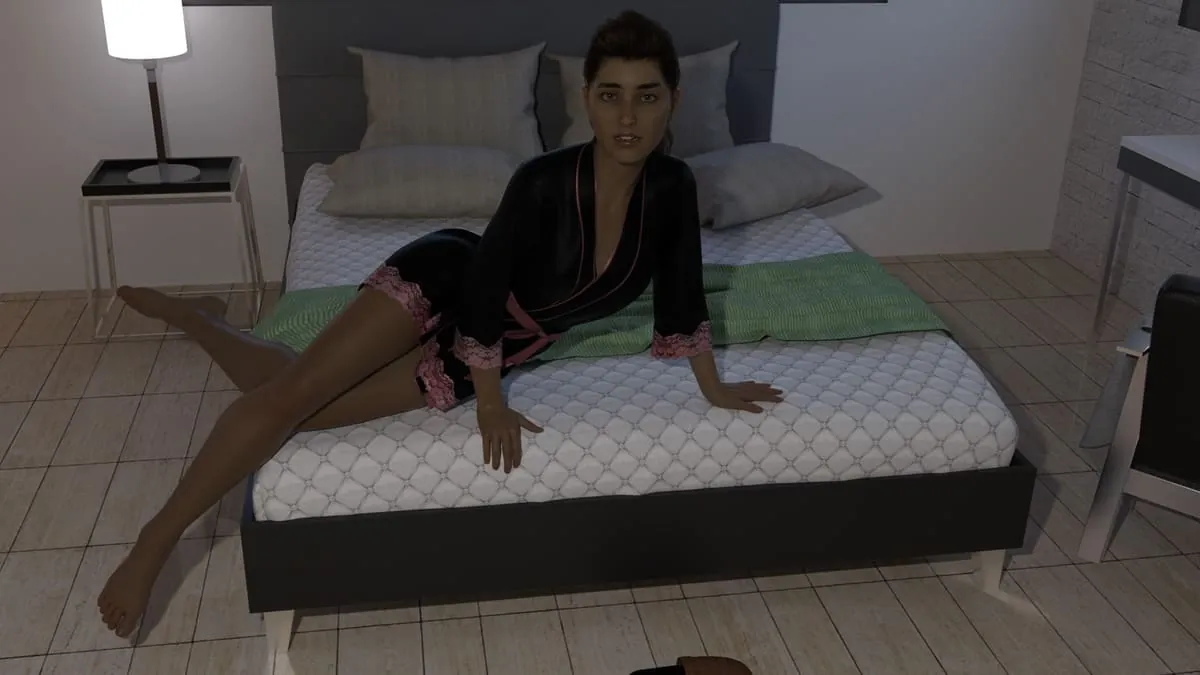
Second Chance
Play Second Chance
Second Chance Screenshots




Second Chance review
Explore the interactive storytelling experience with player-driven choices and branching narratives
Second Chance is an adult-themed interactive game that combines storytelling with player-driven choices, offering a unique experience in its genre. This game stands out for its emphasis on narrative depth and player agency, allowing decisions to shape the story’s direction and outcomes. Whether you’re interested in understanding the game’s mechanics, exploring its diverse character roster, or learning about available platforms, this guide covers everything you need to know about Second Chance. The game has garnered attention for its commitment to inclusive content and evolving development, making it a notable title for players seeking meaningful interactive experiences with substantial replay value.
Understanding Second Chance: Game Overview & Core Mechanics
Welcome to a world where every decision echoes, every choice carves a new path, and the story you experience is uniquely yours. If you’re tired of linear adventures that funnel you down a single corridor, then Second Chance is the breath of fresh air you’ve been waiting for. This isn’t just another game; it’s a deeply personal, interactive storytelling experience that puts the pen firmly in your hand. Forget passive observation—here, you are the architect of fate, navigating a complex web of relationships and consequences in a narrative that bends and breaks according to your will. 🎭
At its heart, Second Chance is a narrative-driven adventure built for adults who crave substance with their style. It prioritizes player agency above all else, weaving its mature themes into the very fabric of a consequential world. Think of it less as a game you “play through” and more as a world you “live within,” where your moral compass, your alliances, and even your fleeting impulses directly script what happens next. Let’s dive into what makes this journey so compelling.
What Makes Second Chance Unique in Interactive Gaming
So, what sets Second Chance apart in the crowded landscape of interactive fiction? 🤔 It’s the unwavering commitment to player-driven choices that have weight. Many games pay lip service to choice, offering superficial dialogue options that eventually merge back into the same main storyline. Second Chance dismantles that convention entirely. Here, the narrative branches, diverges, and sometimes dead-ends based on your actions, creating a truly personalized saga.
The game’s world is portrayed as harsh and unforgiving, a deliberate design choice that makes every decision feel critical. There are no purely “good” or “evil” paths—just shades of gray and realistic outcomes. This approach creates incredible immersion; you’re not guiding a character, you’re making decisions as that character, with all the attendant anxiety and triumph. Furthermore, the development team is deeply committed to an iterative process, actively shaping the game with community input. Milestone updates, like the significant v0.04, aren’t just bug fixes—they’re substantial content additions that expand the living story based on player feedback and narrative direction.
But perhaps its most defining trait is how it handles its adult themes. Second Chance seamlessly balances mature content with substantive, gripping storytelling. These elements are never gratuitous; they are treated as optional threads within the larger narrative tapestry. The game employs a thoughtful content warning system, giving you clear heads-up about potentially intense scenes before you encounter them. This empowers you to steer your experience. You can engage with a raw, unfiltered story, or use your choices to navigate around certain content—it’s a level of respect for player comfort that is both rare and commendable. This makes the Second Chance interactive game a pioneer in mature, choice-based narrative.
Player Choice System and Story Branching
This is where the magic happens. The player choice mechanics in Second Chance are the engine of the entire experience. This isn’t a simple “choose A or B” system; it’s a sophisticated web of cause and effect where decisions ripple outward, altering character relationships, unlocking (or permanently closing) story arcs, and determining which scenes you will witness.
Imagine standing at a crossroads where every path leads to a genuinely different vista. That’s the branching narrative game structure in action. A seemingly minor choice in an early chapter—like offering comfort or maintaining distance—can fundamentally alter a character’s loyalty to you many hours later. The game tracks your decisions with a hidden logic, creating a unique narrative fingerprint for your playthrough.
Here are the key features of this revolutionary system:
- Meaningful Consequences: Choices lock and unlock entire story variants. Opting to trust one character might make another hostile, closing off their associated questline completely.
- Optional Content Pathways: Mature or intense scenes are often gated behind specific choice sequences. By making different decisions, you can experience an alternative, equally valid narrative branch that avoids that content. It’s all part of your story’s unique shape.
- Character Relationship Depth: Your dialogue and actions build a hidden “relationship score” with each character, influencing their dialogue, willingness to help you, and the endings available to you.
- Narrative Point of No Return: The game features decisive moments that split the story into major branches. There’s no easy reload to see “the other side” without committing to a full new playthrough, making each decision profoundly impactful.
The beauty of this structure is the powerful interactive storytelling experience it creates. I remember in one of my playthroughs, I made a pragmatic, cold decision during a crisis to secure resources. Hours later, that decision came back to haunt me in the form of a bitter ally I’d created, who sabotaged a plan I’d spent chapters building. The game didn’t flash a “YOU ARE EVIL” message; it simply presented the believable, grim consequence of my earlier calculus. That’s the hallmark of exceptional player-driven choices—they feel authentic, not gamified.
| Your Choice | Immediate Impact | Long-Term Narrative Branch |
|---|---|---|
| Intervene in a personal conflict | Gains trust of Character A, anger of Character B | Unlocks Character A’s personal mission arc; may lose B as a future ally. |
| Prioritize community safety over individual freedom | Increases group morale but breeds resentment | Opens a story path focused on order and control; may lead to rebellion subplot. |
| Share a vulnerable moment with a companion | Deepens emotional connection, triggers an intimate scene (with prior warning) | Creates a “close bond” branch, altering that character’s fate and available endings. |
| Withhold information to maintain leverage | Keeps short-term advantage | Leads to a “distrust” branch where allies are fewer and victories are lonelier. |
Game Progression and Completion Timeline
Understanding the game story progression in Second Chance is key to setting your expectations. This isn’t a 100-hour epic, nor is it a fleeting short story. It’s a carefully paced, narrative-rich experience designed for depth over sheer length. Based on extensive player feedback and community discussion, a typical playthrough focusing on one of the current primary story arcs takes approximately 6 hours. ⏳
But here’s the crucial point: that “6 hours” is for a story, not the story. Your game completion time is directly tied to your choices. A player who rushes through dialogue and makes quick decisions might finish slightly faster, while someone who painstakingly explores every dialogue tree and savors the atmosphere might take longer. More importantly, the branching narrative game design means that a single playthrough only reveals a fraction of the total content. To witness all the major story variants, character outcomes, and secret scenes, you are encouraged to replay multiple times, making different pivotal choices. Each replay can feel surprisingly fresh, easily doubling or tripling your total engagement with the world.
The game story progression is structured in chapters, often released in substantial updates like v0.04, which added meaningful new layers to character development and plot. The development roadmap suggests a continuous, episodic expansion of this world, meaning the total narrative canvas is still growing.
The true testament to this design is what players are saying. The community reception highlights the immersive power of this model:
“I was blown away by how different my second playthrough was. I chose to be more selfish, and it was like playing a whole new game—different allies, different conflicts, even a different tone. The 6-hour story became a 20-hour obsession to see all the angles.”
“The narrative quality is exceptional. I found myself actually pausing before big decisions, thinking about who my character was. It’s rare for a game to make me feel that level of responsibility for the story.”
“I appreciated the content warnings. It let me tailor the experience to my mood. One night I was up for the full, gritty drama, another time I chose a path that focused more on the strategic survival aspects. Both felt complete.”
This feedback underscores the success of Second Chance as an interactive storytelling experience. It’s a game that respects your time by filling every moment with meaningful consequence, and respects your intelligence by offering a story with maturity and nuance. Your journey through its world is uniquely yours, a testament to the power of placing player-driven choices at the very core of the adventure. Whether you complete it in one sitting or savor it across multiple lifetimes of its characters, the impact of your decisions will linger long after you close the game. 🕯️
Second Chance represents a thoughtful approach to interactive gaming, combining meaningful player agency with substantive storytelling. The game’s commitment to diverse character representation, optional content design, and evolving development demonstrates a developer focus on player choice and community feedback. Whether you’re drawn to the branching narrative structure, the inclusive character roster, or the emphasis on consequential decision-making, Second Chance offers a distinctive interactive experience. With availability across multiple platforms and ongoing content updates, the game continues to grow and adapt to player interests. If you’re seeking an interactive narrative experience that respects player autonomy while delivering engaging storytelling, Second Chance deserves your attention. Explore the game’s multiple pathways, discover how your choices shape the narrative, and experience the depth of interactive storytelling that Second Chance provides.