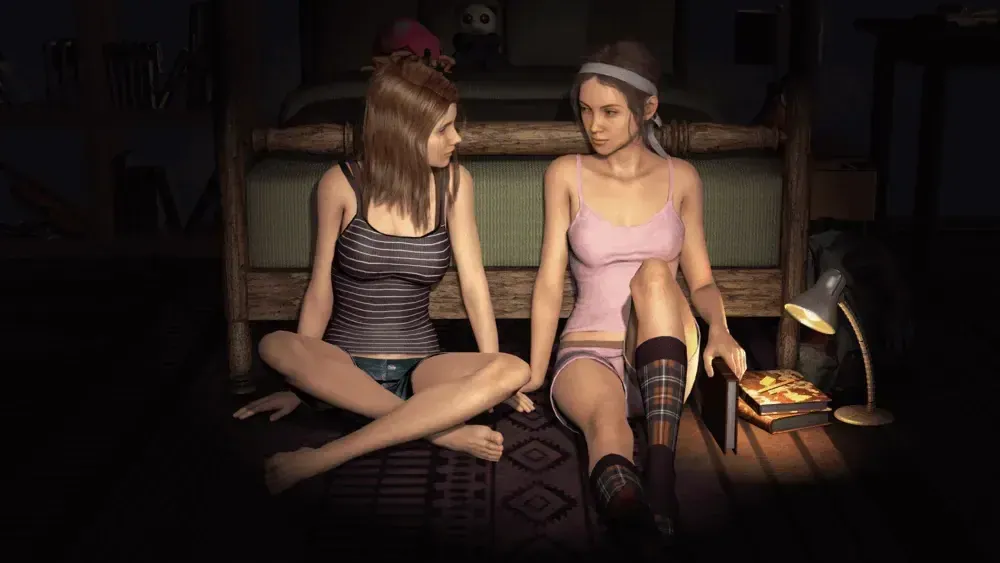
Actual Roommates 2 – Sorority Crash
Play Actual Roommates 2 – Sorority Crash
Actual Roommates 2 – Sorority Crash Screenshots












Actual Roommates 2 – Sorority Crash review
A practical look at Blairmont University, story choices, and what makes this sequel stand out
Actual Roommates 2 – Sorority Crash drops players into the chaotic halls of Blairmont University, where a dorm mix-up quickly turns into a story shaped by secrets, rivalry, and player choice. In this game, the appeal comes from how the college setting, character interactions, and branching decisions all work together to create a different experience on each run. If you are curious about the sequel, want to understand its core setup, or are looking for a clear overview before playing, this guide breaks down the main themes, story structure, and practical things to know about the game.
What Is Actual Roommates 2 – Sorority Crash?
How does the Blairmont University setup begin?
Picture this: you are packed and ready for your first semester at a prestigious university. You have got your dorm assignment, your class schedule, and a head full of expectations about the perfect college experience. Then reality hits. The housing office has made a mistake, and instead of a quiet single room, you are dropped into a chaotic sorority house full of strangers, secrets, and shifting loyalties. That is the hook that pulls you into Actual Roommates 2 – Sorority Crash, a college drama game that trades predictable campus stories for something far more personal.
Blairmont University is not just a backdrop; it is a character in its own right. The campus feels alive, from the echoing hallways of the main building to the cramped, overheated rooms where late-night conversations turn into life-changing decisions. The story begins with that initial shock of being misplaced, and from there, every step you take shapes your place in this world. Do you try to fit in with the sorority sisters? Do you push back against the system? Or do you carve out your own path by finding allies in unexpected places? The game wastes no time putting you in the middle of the action.
“I remember my first playthrough. I chose to apologize for the mix-up and keep my head down. Within an hour, I was tangled in a roommate’s personal crisis. I never saw it coming.”
That early moment of choice is exactly what makes the setup work. One decision does not just affect your reputation; it changes the way characters treat you, the information they share, and the doors that open or close. The setup at Blairmont is built around the idea that your arrival is an interruption to an established social order, and what you do next determines whether you become a threat, a friend, or something in between.
What makes this sequel different from the first game?
The original game set a strong foundation for character-driven storytelling, but Actual Roommates 2 – Sorority Crash pushes that concept into new territory. The tone is sharper, the stakes feel more immediate, and the environment itself forces you to engage with a larger cast of personalities. Instead of a small apartment with one or two roommates, you now face an entire house of young women, each with their own goals, fears, and hidden agendas.
The biggest change is the choice-driven story structure. Where the first game offered a more linear experience with occasional branches, this sequel gives you real agency from the opening scene. Conversations have weight. A passing comment can trigger an unexpected reaction hours later. A choice you made in chapter one might not show its full consequences until chapter five. This layered approach to storytelling means that no two playthroughs look the same.
Let me give you a concrete example of how early choices shift the tone. On my first run, I decided to be honest about my housing situation during breakfast with the sorority president. She seemed understanding, but by the end of the day, three other members knew my private story, and one of them used it against me in a group meeting. The atmosphere turned tense and defensive. On my second run, I kept quiet and let people make their own assumptions. That silence allowed me to observe alliances without being dragged into conflict early, which gave me more options later when I needed to pick sides. Same starting point, completely different emotional journey.
The branching narrative is not just about big plot points either. Small moments get the same treatment. Do you help a sister study for an exam? Do you attend a late-night party or stay in your room? Do you share a secret you overheard? Every answer feeds into a web of relationships that feels organic, not scripted. The game tracks your reputation with each character, and those numbers translate into real shifts in dialogue, availability of certain scenes, and even whether someone will defend you when trouble arrives.
Another major upgrade is the pacing. The first game had moments of downtime that sometimes felt slow. Here, the college drama game engine keeps the energy high by introducing new conflicts on a regular schedule. You might have a quiet morning studying, but by lunchtime, an argument breaks out, or a mystery package shows up, or someone makes an accusation that shakes the entire house. The structure mirrors real college life, where calm and chaos live side by side.
I also appreciate how the game handles relationships. The characters are not just friendly or hostile; they have nuance. Someone can be your ally on one issue and your opponent on another. That branching narrative design creates genuine dilemmas. Do you stay loyal to a friend who is clearly in the wrong? Do you side with a group that shares your goals even if you dislike them personally? Those questions do not have easy answers, and the game respects your ability to make tough calls.
Why do players keep coming back to this route-based story?
The idea of replaying a story game can feel like homework if the experience is too rigid. Actual Roommates 2 – Sorority Crash avoids that trap by designing replayable story routes that genuinely change the experience. The game does not just offer a good ending and a bad ending; it offers multiple satisfying conclusions based on the network of choices you made along the way.
The key is hidden content. Certain scenes only become available if you have built specific relationships or made particular decisions earlier. For example, joining the debate club in week two unlocks a confrontation scene in week six that is completely absent if you skipped that activity. These hidden moments feel rewarding because they are earned, not handed to you. Players share their discoveries online, and that sense of community discovery keeps the game alive long after the first playthrough.
Another factor is character depth. The sorority members are written with enough complexity that you want to see all their sides. On one playthrough, a character might seem cold and distant. On another, with different choices, you see her vulnerable side and understand why she acts the way she does. That layered characterization turns a simple choice-driven story into a puzzle of human behavior. You play not just to win, but to understand.
The replayable story routes also benefit from the game’s pacing. Each playthrough takes around eight to ten hours, which is long enough to feel immersive but short enough to try again without burnout. The game respects your time by allowing you to skip scenes you have already seen while still giving you full control over new choices. This flow encourages experimentation. What happens if I am rude to everyone? What if I become the peacemaker? What if I focus entirely on academics and ignore the drama? Each answer leads to a different slice of life at Blairmont.
| Play Style | Typical Outcome | Hidden Content Unlocked |
|---|---|---|
| Diplomatic and quiet | Strong alliances, low conflict | Late-game peace negotiation scene |
| Confrontational and direct | Enemies made, but respect earned | Rival confession scene in chapter 6 |
| Social butterfly | Wide network, shallow bonds | Secret party invitation in chapter 4 |
| Loner and observer | Few allies, high information | Hidden journal discovery in chapter 7 |
The table above shows just a few examples of how your approach changes what you see. Each play style has its own rewards, and that variety is the main reason players keep returning. You do not replay to get the “correct” ending; you replay to see what you missed.
Finally, the sense of discovery is real. Even after multiple runs, I found conversations I had never triggered, locations I had never visited, and character moments that reframed my understanding of the whole story. That is the hallmark of a well-designed replayable story routes system. The game hides secrets not in locked doors, but in the natural flow of choices and relationships. Every new playthrough feels like opening a door to a different version of Blairmont.
FAQ: What you need to know about Actual Roommates 2 – Sorority Crash
What kind of game is this?
It is a choice-driven story focused on college life, social dynamics, and the consequences of your decisions. Think of it as an interactive drama set inside a sorority house at Blairmont University.
How long does one playthrough take?
Most players finish in about eight to ten hours, depending on how much they explore side conversations and optional activities.
Do my choices really matter?
Yes. The branching narrative tracks your decisions across the entire game, and outcomes shift based on your reputation with individual characters and the groups you align with.
Can I play it more than once without getting bored?
Absolutely. Actual Roommates 2 – Sorority Crash offers replayable story routes with hidden scenes, alternate endings, and character arcs that change based on your approach. Each run feels distinct.
Is this a sequel or a standalone title?
It is a sequel, but you do not need to play the first game to enjoy this one. The story, characters, and setting are self-contained within Blairmont University.
What if I am not into sorority culture?
The setting is a sorority house, but the themes of belonging, identity, trust, and ambition are universal. The game is about people navigating social pressure, not just Greek life tropes.
Actual Roommates 2 – Sorority Crash works best when you treat it like a story about choices, personalities, and the unpredictable energy of Blairmont University. The game’s appeal comes from its branching paths, social tension, and the way each run can feel a little different depending on how you respond to people and situations. If you want to get the most out of it, pay close attention to conversations, revisit scenes with different decisions, and let the story unfold naturally. That is where the game becomes most interesting, and that is what makes it worth exploring.